
Shopify Case Study: How MudGear Built a 7-Figure Performance Gear Brand
MudGear is a Shopify performance gear brand that scaled to 7 figures by focusing on durability, niche positioning, and community-driven growth. This case study breaks down how Alex Thrasher built a loyal customer base in a highly specific market.
Industry
Location


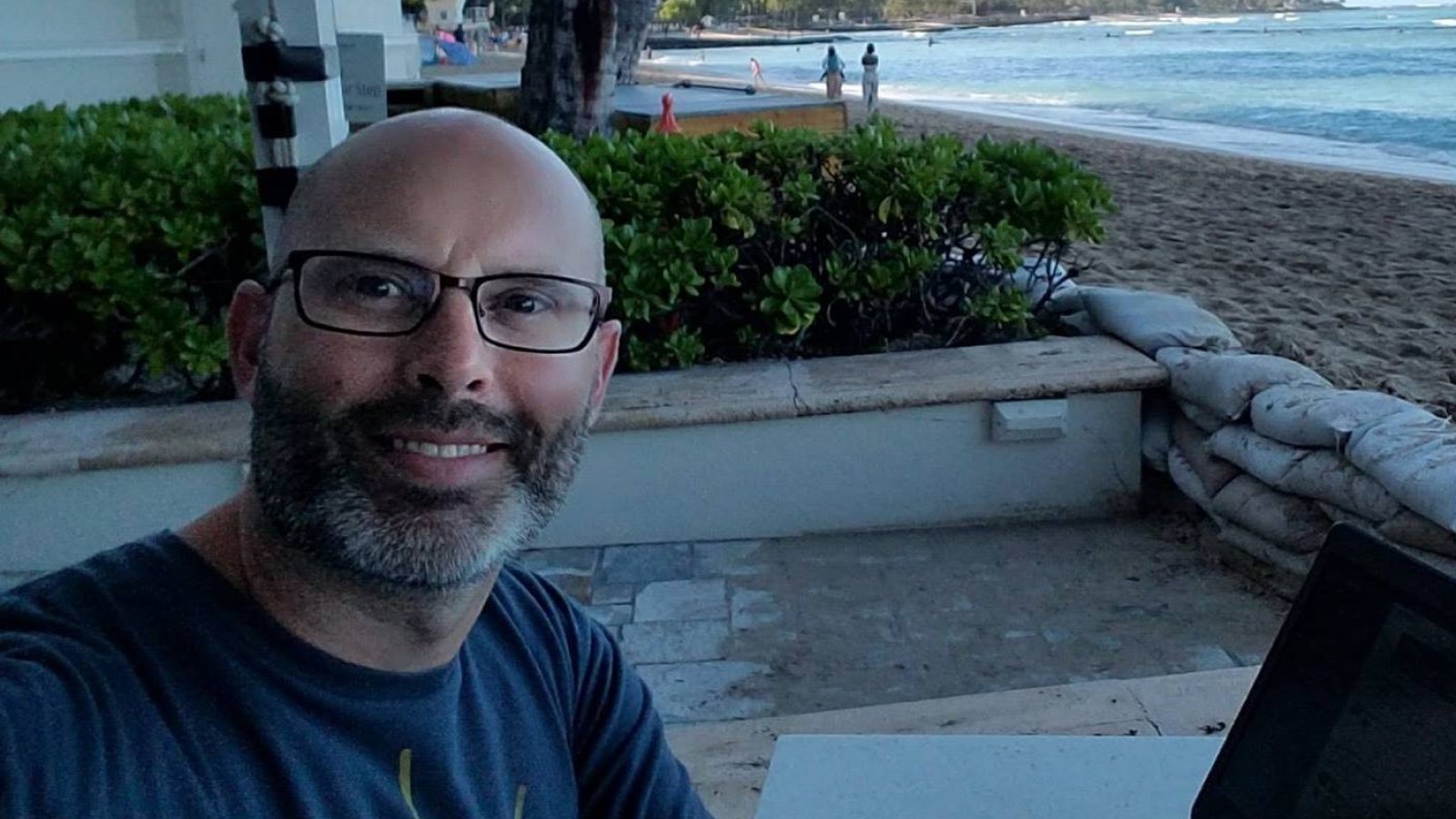
Meet the brand founder
In 2012, Alex Thrasher wasn’t looking to start a company.
He was obsessed with obstacle course races.
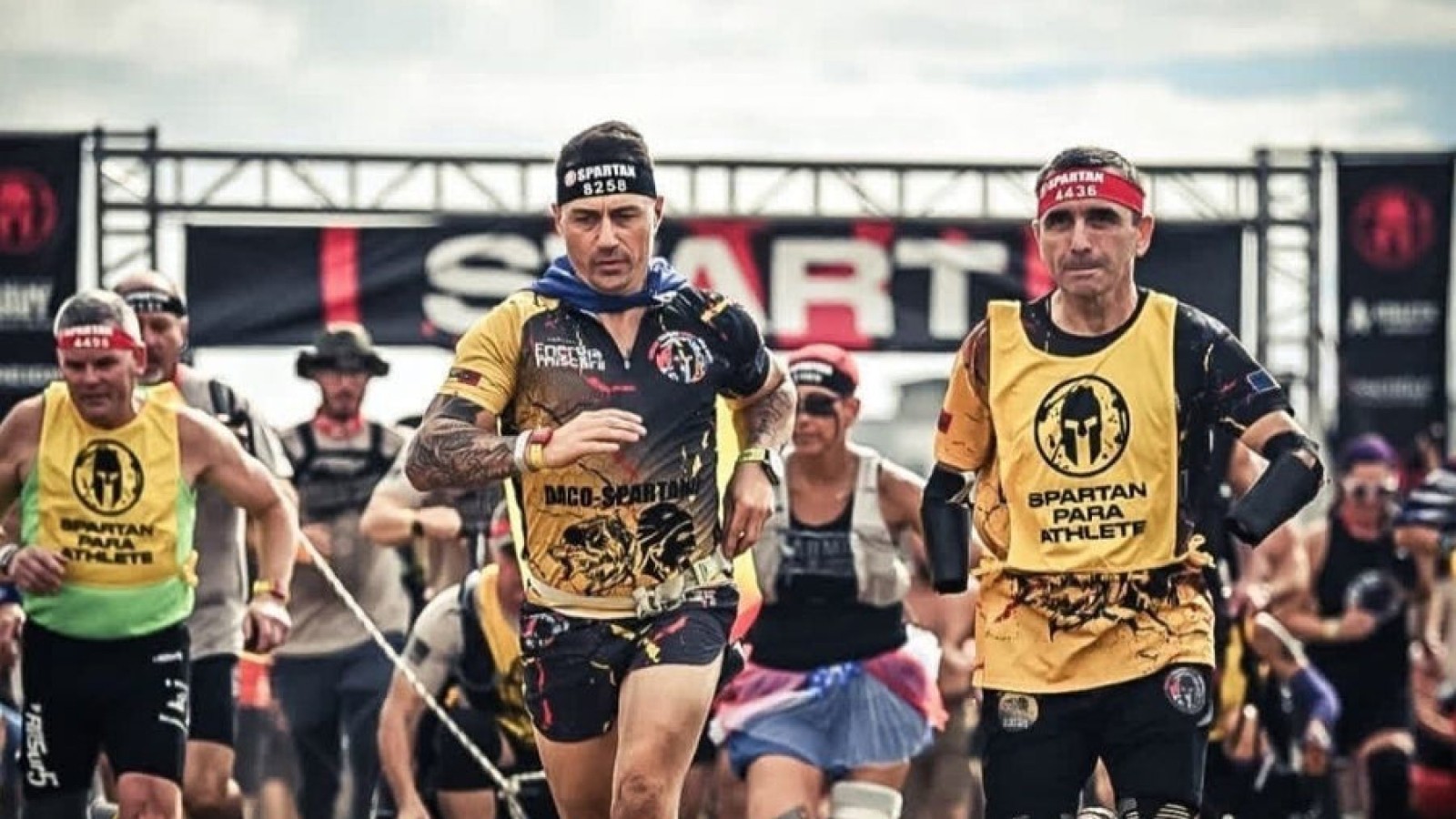
Spartan. Tough Mudder. Battle Frog. The kind of events where you crawl through mud pits, climb ropes with soaked hands, and finish with scraped knees and a smile that makes no sense to normal people.
At the end of one race, Alex noticed something strange: a growing pile of discarded gear. Shoes caked in mud. Socks shredded beyond repair. Participants were literally throwing their clothing away because it couldn’t survive the course.
That pile of ruined gear was the spark.
If endurance athletes were tough enough to endure the course, why wasn’t their gear built the same way?
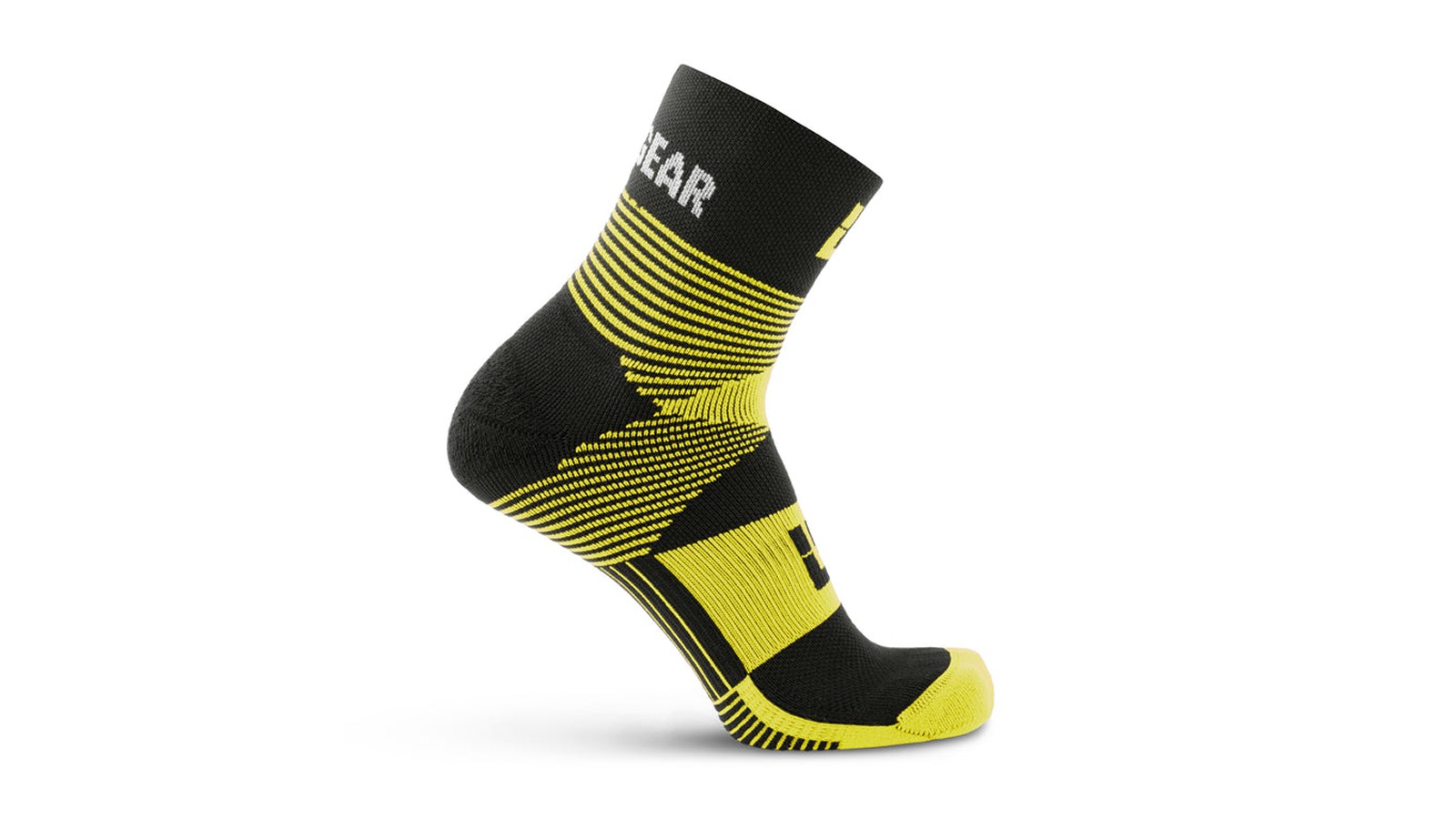
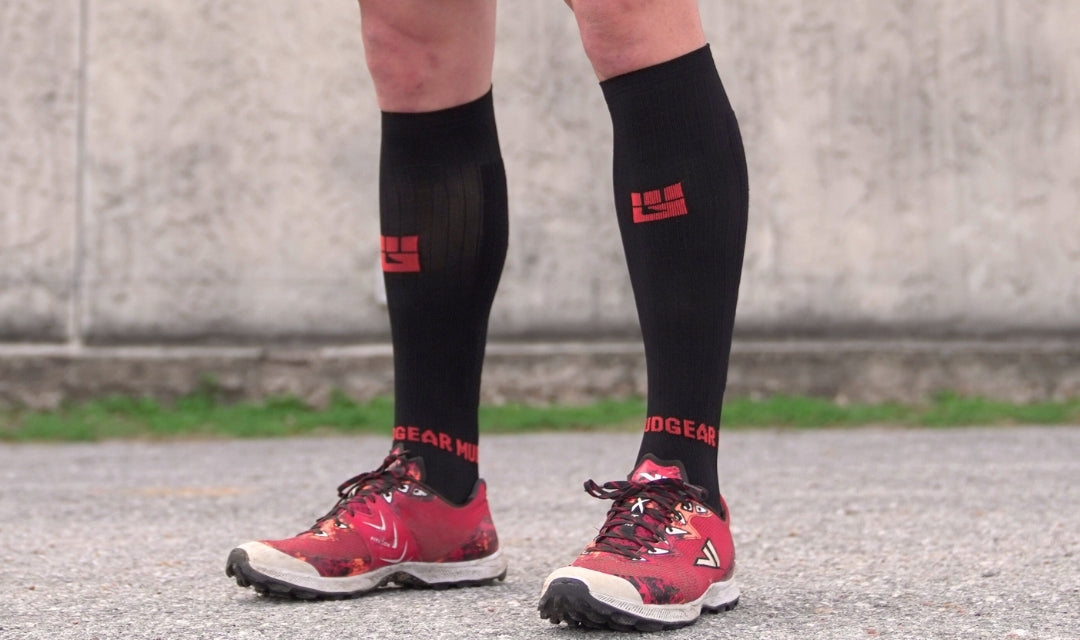
Alex saw an opportunity to build something specifically for this community of what he calls “half-crazy endurance athletes.” Not generic performance socks. Not repurposed running gear. But equipment engineered for mud, water, rope climbs, and brutality.
That idea became MudGear.
The first real win
At the time, obstacle course racing was barely on the radar.
Alex still had a full-time job. MudGear lived in the margins – nights, weekends, vacation days spent visiting sock factories and pitching a market most manufacturers didn’t believe existed.
Few people had even heard of mud runs. Fewer believed they were a viable niche.
Eventually, Alex found someone who understood.
A young man who had just joined his family’s sock factory had run one of these races himself. He knew exactly how gear failed on a rope climb after miles of water and mud. That shared understanding became the foundation of MudGear’s first product.
Together, they designed a technical sock built to:
withstand water saturation,
maintain protection during friction-heavy rope climbs,
and survive conditions that destroyed ordinary athletic gear.
The prototypes were promising. Alex wrote a check for his first real production batch – a risk that felt big at the time.
He took the socks to races. Sold them online. Hustled directly within the community.
And then something happened that changed everything.
He started seeing people he didn’t know wearing MudGear socks at races.
That was the moment he knew this wasn’t just a side project anymore.
MudGear’s early growth wasn’t explosive. It was deliberate.
Alex reinvested everything from the first production run into a second order – twice as big. When that sold through, he doubled again.
By the third order, he was writing the biggest check of his life.
That was the inflection point. Not a viral moment. Not outside funding.
Just increasing conviction backed by customer demand.
Early growth came from smart positioning. MudGear focused on being discoverable when athletes searched:
“Best socks for a mud run”
“What should I wear for a Spartan Race?”
Google Ads and SEO became foundational. As obstacle course racing surged in popularity, MudGear was already positioned as the authority.
They weren’t chasing traffic. They were capturing intent.
How the business runs today
Today, Alex is still the sole owner of the brand.
He has worn every hat in the business over the years – product designer, customer support, marketer, operator. That experience now shapes how he leads.
His focus today:
High-level strategy
New product design
Marketing direction
Keeping the team aligned around key drivers
MudGear runs on quarterly and monthly goals, with weekly meetings focused on measurable deliverables. Every team member has concrete responsibilities.
Alex sees his role less as a doer and more as an orchestrator – removing bottlenecks, clarifying priorities, and making sure everyone understands how their work fits into the bigger machine.
He no longer spends time worrying about shipping, returns, or fulfillment operations. That’s handled by a capable team.
Instead, his energy goes into ensuring the brand keeps building products worthy of the community it serves.
Leveraging experts, agencies & apps
One of Alex’s biggest realizations came early:
You can’t be world-class at everything.
He believes founders should become “good enough” in a skill before outsourcing it – not to replace themselves, but to become a better buyer of that expertise.
For example, he ran Google Ads himself before hiring consultants. Without that baseline knowledge, it’s difficult to judge performance or set expectations.
MudGear has found the most success with specialists – experts deeply focused on one platform, channel, or skill. In today’s eCommerce environment, each area is too complex to master broadly.
Peer mentors have also played a major role. Having other founders to compare notes with, share mistakes, and pressure-test decisions is invaluable.
On the tech side, ShipStation has been a long-time operational backbone for fulfillment. Its automation rules and configurability allow MudGear to manage orders the way they want without unnecessary complexity.
But not every tool worked.
Inventory management systems proved frustrating. After trying multiple solutions, MudGear ultimately simplified and returned to using Shopify as its primary inventory tracker.
The lesson?
Every new layer in your tech stack creates new points of failure. Complexity compounds. Simplicity scales better than most founders expect.
Big challenges
For an inventory-heavy business, growth creates pressure.
Cash flow becomes the invisible enemy.
You can be selling more than ever and still feel squeezed. Large production runs require cash long before revenue returns. MudGear made a deliberate choice: grow slightly slower to protect cash flow.
For Alex, the goal was never hypergrowth funded by outside capital. It was independence.
“The whole point for me is to be my own boss.”
That philosophy shapes every strategic decision.
Advice to brands on their way to 7–8 figures
As brands approach the $5–10M range, Alex sees predictable mistakes.
First: hiring too broadly.
At this stage, he believes every hire should fill a specific operational gap. Avoid general managers or department heads. Hire doers. Everyone must produce.
Second: be prepared to defend what you build.
As your brand grows, you become visible. Alex advises setting aside money early for potential legal challenges – even frivolous ones. It’s not pessimism. It’s preparation.
On working with experts and agencies, he offers a blunt insight:
Don’t hire expecting miracles.
You can’t be a good client if you don’t understand the basics of what you’re outsourcing. Learn enough to ask intelligent questions. Set clear performance metrics. Measure results frequently.
Outsourcing works best when the founder still owns strategy.
What’s next for the brand
Like many growing brands, MudGear expanded its SKU range over time.
But expansion diluted focus.
Too much “wood” was taken away from the sock fire.
Now, the brand is refocused and re-energized around its core driver: USA-made socks built for doing hard things.
The mission isn’t to be a general apparel company.
It’s to make the best socks on the planet for endurance athletes who willingly crawl through mud and call it fun
MudGear didn’t explode overnight.
It grew through conviction, reinvestment, operational discipline, and a relentless focus on serving a specific community better than anyone else.
And it’s still growing – on its own terms.
Meet the experts behind brands like this
Scaling a Shopify brand takes more than a good idea – it takes the right people, systems, and partners at the right stage. Meet the experts who support brands like this on shopexperts.com