
Shopify Case Study: How an Online Butcher Scaled to £650K/Month
This Shopify case study explores how an online butcher business grew to £650K/month by focusing on repeat customers, pricing strategy, and operational excellence. Learn how Darren rebuilt a traditional model for ecommerce success.

Industry
Location


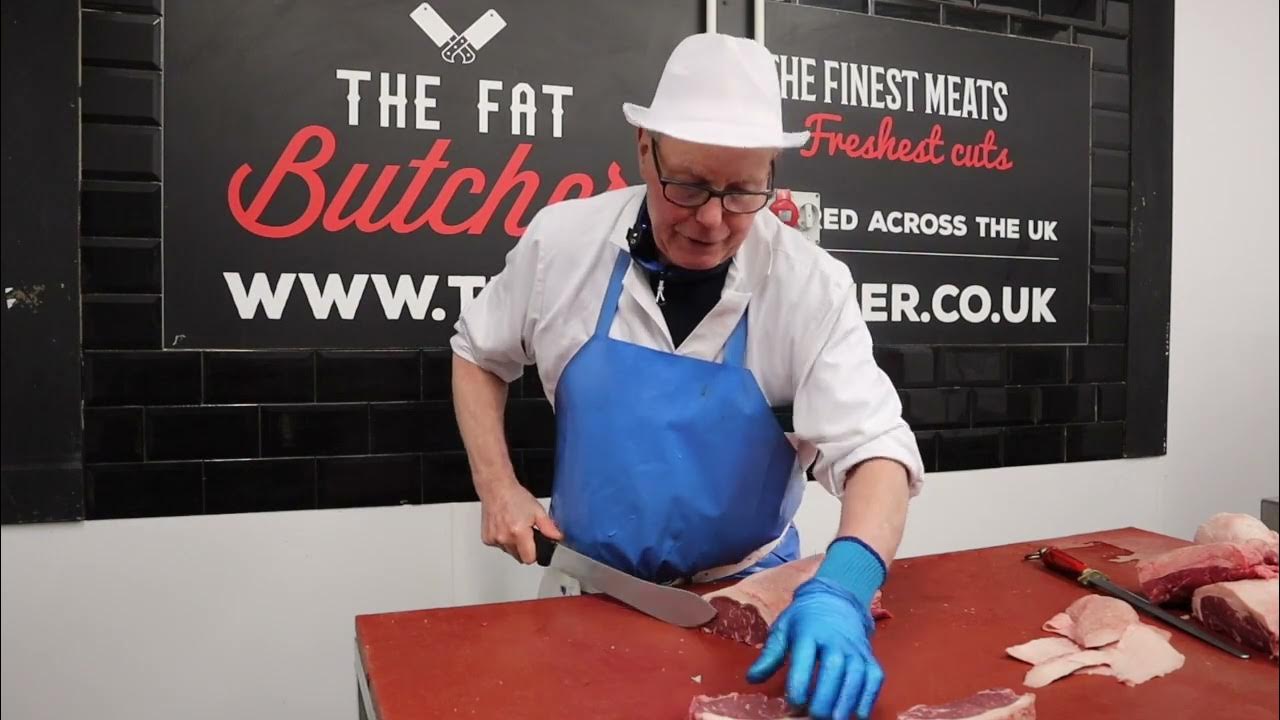
Meet the brand founder
Darren Fetton, owner of The Fat Butcher, had already spent years around physical butcher shops. He saw the same pattern repeating itself. Local butchers shutting down. Customers drifting toward supermarkets. Convenience winning.
But something didn’t sit right.
Yes, supermarkets were easy. But they lacked what made a butcher valuable in the first place. Knowledge. Trust. Quality. The human side of buying meat.
“We weren’t just watching shops close,” Darren explains. “We were watching an experience disappear.”
At the same time, customers were moving online. Fast. But no one had really translated that traditional butcher experience into e-commerce properly.
That gap became the opportunity.
Not just to sell meat online – but to rebuild what people had lost, and make it accessible anywhere.
The first real win
The first version of the business wasn’t smooth. It couldn’t be. They were trying to take something physical, local, and highly hands-on – and make it work nationally through a screen.
That meant solving problems most ecom brands never face.
How do you ship fresh meat across the UK without compromising quality?
How do you package it so it arrives in perfect condition?
How do you price it so it competes with supermarkets—but still feels premium?
A lot didn’t work at first. Some offers didn’t convert. Some bundles didn’t make sense. Early packaging wasn’t good enough.
“And with fresh products, you don’t get many chances to get it wrong,” Darren says.
Nothing was assumed. Everything was earned. There wasn’t a big launch moment. No overnight spike. Just gradual traction. Small wins stacking up.
The turning point was behavior.
At first, sales came in – but that didn’t mean much. Anyone can drive a one-time purchase with a good offer.
What changed everything was when customers came back. Then came back again.
That’s when it clicked.
“People weren’t just trying us anymore. They were relying on us.”
Repeat orders started growing alongside new ones. Week after week. That combination changed the entire outlook. It meant the product worked. The pricing worked. The experience worked.
And more importantly – it meant this wasn’t a one-time transaction business.
It was something customers could build into their routine.
How the business runs today
Darren’s role looks very different now.
He’s no longer packing orders or handling customer emails.
Instead, his focus sits on three areas:
Offer strategy
What customers see. How it’s priced. How easy it is to say yes.Marketing direction
Paid ads, email, and onsite messaging all aligned around the same core offers.Performance analysis
Constantly reviewing:conversion rates
acquisition costs
repeat purchase behavior
A typical week revolves around numbers and decisions.
“What we push, how we price it, and how we present it – that’s where the growth comes from.”
The goal isn’t doing more. It’s making what already works perform better.
Leveraging experts, agencies & apps
Unlike many brands, they didn’t lean on agencies. They built in-house understanding first. Then used tools as leverage.
Key systems that made a difference:
Flare (delivery date selection)
Improved customer trust and smoothed operations.Upsell & cross-sell tools
Increased average order value naturally.Report Toaster
Clear visibility on performance and decision-making.iPacky (packing scanner)
Reduced errors at scale.AI-driven ad tools
Faster testing. Smarter optimization.
The philosophy is simple:
“If a tool doesn’t improve revenue, experience, or efficiency – we don’t keep it.”
Big challenges
Growth didn’t break marketing. It broke operations.
Three main pressure points showed up:
1. Fulfilment vs Demand
Sales can grow fast. Operations usually don’t.
They had to fix:
packing errors
stock forecasting
dispatch flow
2. Cash Flow
Holding stock while scaling marketing created pressure.
Margins had to be understood deeply – not just revenue.
3. Customer Service at Scale
More orders = more complexity.
Systems had to improve without slowing response times.
“Growth exposes weaknesses fast. You either fix them – or they fix you.”
Advice to brands on their way to 7–8 figures
Darren’s approach is practical and clear.
1. Fix operations early
Don’t wait until they break.
2. Know your numbers deeply
Not just revenue.
Understand:
contribution margin
CAC
repeat rate
3. Obsess over the offer
Packaging and pricing matter more than most founders think.
4. Lean into retention
Repeat customers make growth easier – and cheaper.
5. Keep it simple
More tools ≠ more growth.
“Most brands don’t fail because they lack ideas. They fail because they overcomplicate execution.”
Most brands think tools or agencies will fix the business. But tools only amplify what’s already there. If the fundamentals are weak, complexity just makes it worse.
The better approach:
Understand your business first
Own your strategy
Use tools to scale what already works
“Technology is leverage. Not a shortcut.”
What’s next for the brand
The focus now isn’t just growth.
It’s better growth.
Key priorities:
1. Retention & lifetime value
More personalized offers. Stronger repeat behavior.
2. Owned channels
Growing the app and direct customer relationships.
3. Operational efficiency
Better forecasting. More automation. Less manual work.
4. Smarter product expansion
Increasing basket size without adding unnecessary complexity.
“We’re not chasing volume anymore. We’re refining what already works.”
Meet the experts behind brands like this
Scaling a Shopify brand takes more than a good idea – it takes the right people, systems, and partners at the right stage. Meet the experts who support brands like this on shopexperts.com