
Shopify Case Study: How a Nutrition Brand Built a 7-Figure Mix & Match Model
This Shopify case study breaks down how a nutrition brand scaled to 7 figures by introducing a mix-and-match model and focusing on real customer demand. Learn how Diana Famintsyna turned operational chaos into a structured ecommerce business.
Industry
Location

Meet the brand founder
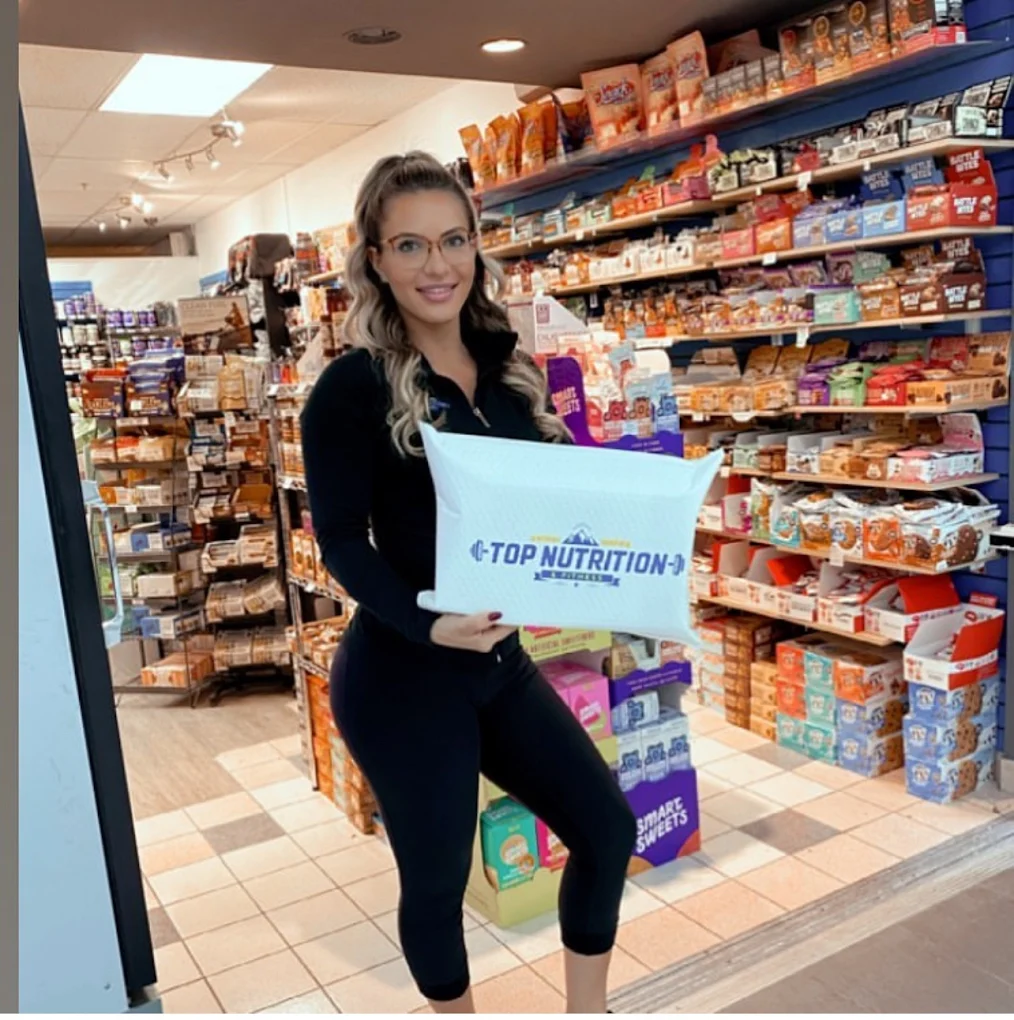
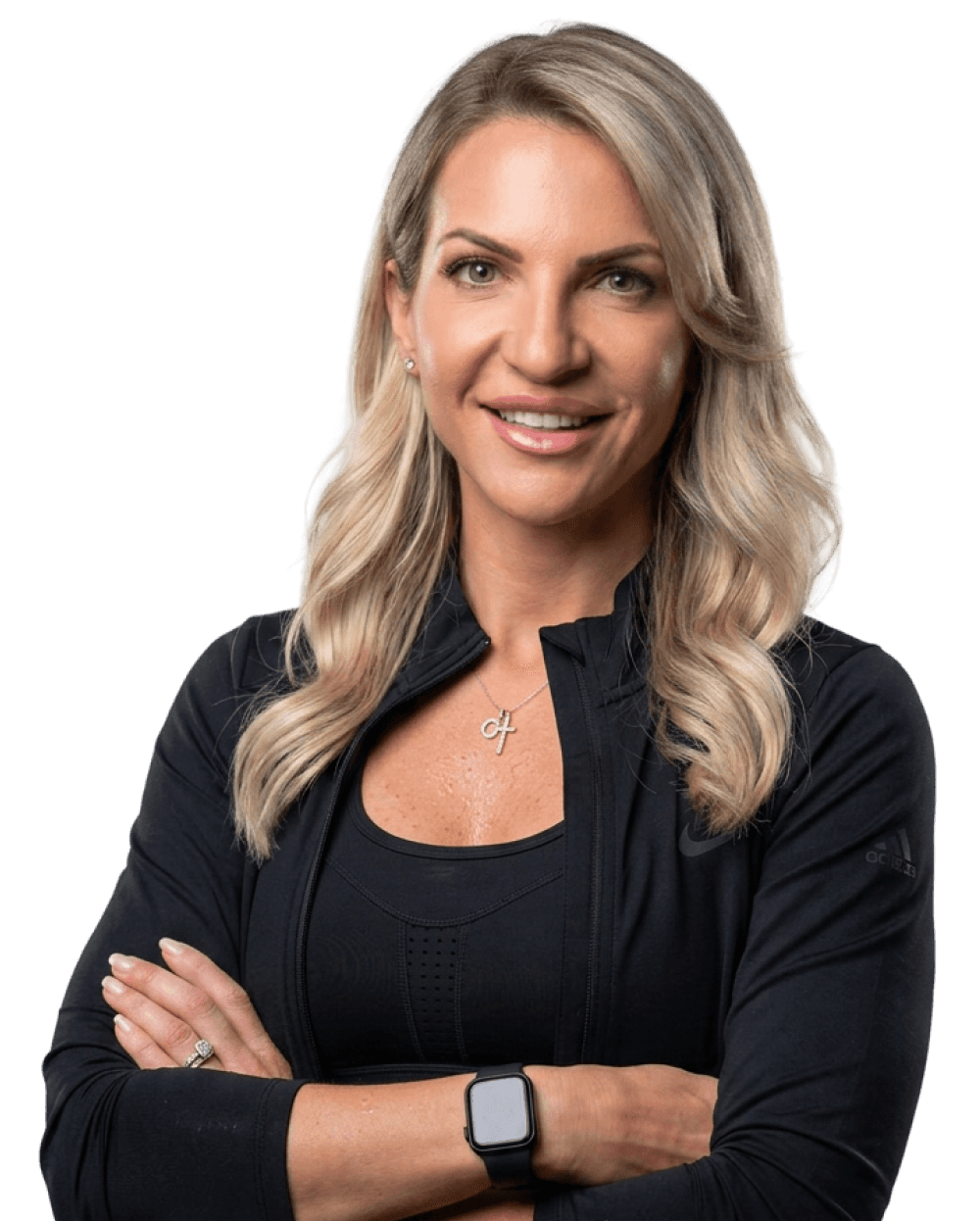
Twelve years ago, long before Top Nutrition & Fitness existed, Diana Famintsyna was just another customer frustrated with the same problem.
Limited choice. Expensive discovery. And a system that made trying new products feel like a risk.
“If I wanted to try a few different protein bars, I had to buy full boxes of each. It could cost $120 just to explore.”
At the same time, she was working part-time at a supplement store while studying at university. She saw the industry from both sides – as a seller and as a buyer.
And something didn’t add up. In the U.S., shelves were full of innovation.
In Canada, options were repetitive and limited.
After graduating and struggling to find a job in her field, an unexpected opportunity appeared: The very store she had worked at was for sale.
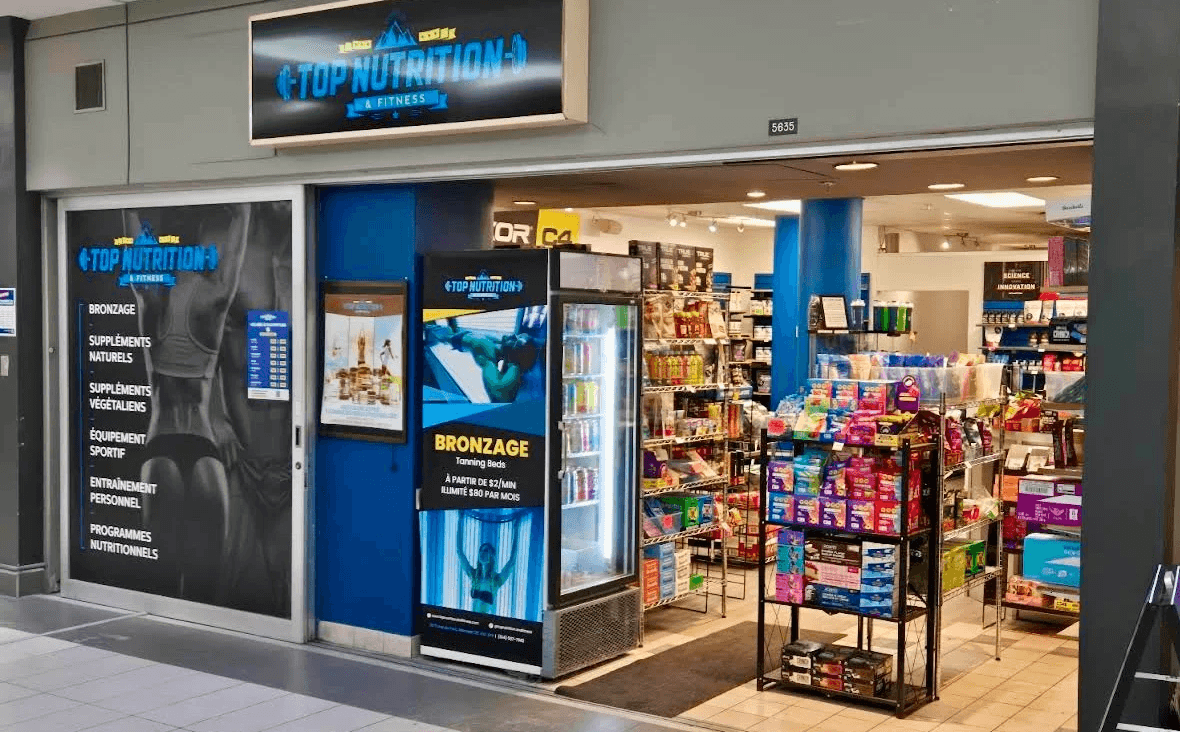
She took the leap. In 2016, she bought it. Rebranded it. And rebuilt it from scratch. But she didn’t just want to sell supplements. She wanted to fix the experience.
The insight was simple:
People don’t want more products.
They want better ways to discover them.
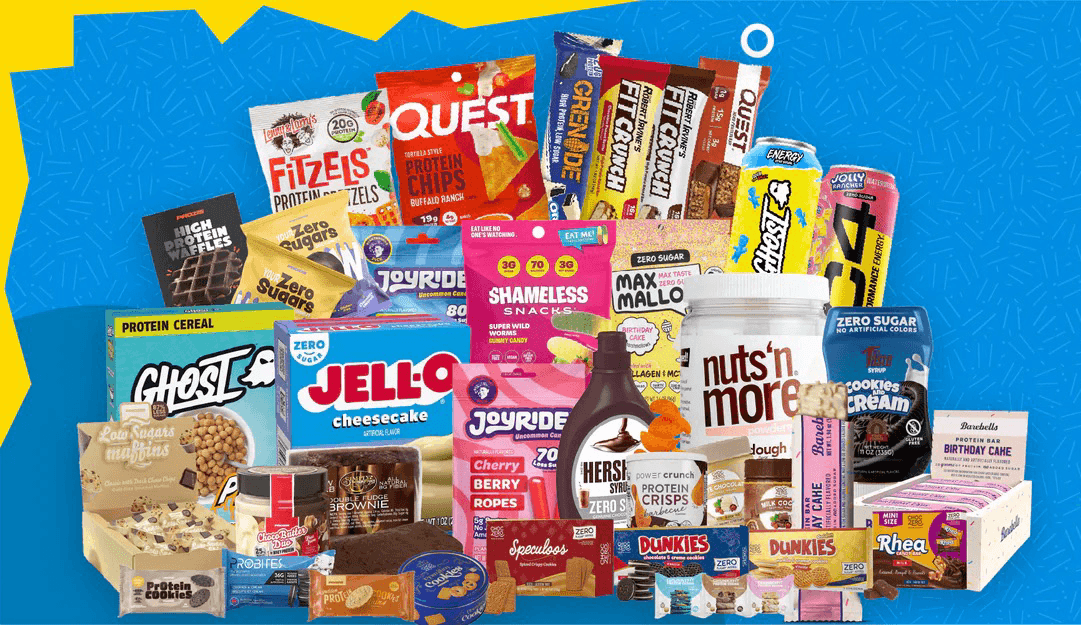
So she introduced something different: Mix & Match boxes.
Customers could build their own selection instead of committing to one flavor or brand.
“People deserved variety without overcommitting.”
That one shift changed everything. It made healthy snacking:
More accessible
More flexible
More fun
And it became the foundation of the brand.
The first real win
The first real signal didn’t come from a single campaign or launch. It came from customer behavior.
Once the mix & match model was introduced, something changed immediately. Customers started ordering repeatedly, not just because of promotions, but because they could finally try more products without financial risk.
Instead of one-time bulk purchases, there was now repeat exploration.
But the real turning point came when social proof started building organically. Customers began posting their orders on Instagram, sharing what they picked, and tagging the store in their fitness routines.
That created a loop that felt very different from traditional retail. It wasn’t just sales — it was visibility driven by customers themselves.
As Diana describes it,
“It stopped feeling like we were selling products. It felt like people were building their own experience through us.”
From there, growth became more predictable. Email marketing started compounding. Bundles increased average order value. And the business slowly shifted from a local store into a national ecommerce operation.
The first real win wasn’t revenue. It was repetition — customers coming back because the model made sense.
How the business runs today
Today, the business runs with a much more structured system compared to the early days. Diana is no longer involved in day-to-day store operations or manual execution. Instead, the focus has shifted toward strategic oversight and product sourcing.
The core responsibilities now include inventory planning, supplier relationships, and identifying new high-demand products before competitors.
One of the biggest changes has been the introduction of financial structure through a fractional CFO team. Instead of reacting to cash flow issues, decisions are now modeled in advance, allowing the business to scale inventory more confidently.
Marketing is largely handled externally, but Diana remains involved in reviewing performance and ensuring campaigns reflect actual product demand rather than assumptions.
The role today is less about doing everything and more about making sure the right things are being done consistently.
Leveraging experts, agencies & apps
For a long time, everything was done internally. Diana handled operations, marketing, inventory, and customer service directly.
The shift happened when growth began to outpace personal capacity.
The first major external support came from a fractional CFO firm, which completely changed how the business approached capital and inventory planning. That created the foundation for scaling properly.
After that, a Meta ads agency was introduced to structure paid acquisition, followed by support for email marketing and customer retention.
What changed wasn’t just execution – it was clarity.
Before external help, everything was reactive. After bringing in specialists, decisions became data-driven and repeatable.
One key lesson emerged:
“You can’t scale instinct forever. At some point, you need structure around your decisions.”
Big challenges
The biggest challenge was not demand – it was capital management.
At multiple points in the business, demand exceeded inventory. But without strong financial structure, the business couldn’t fully capitalize on that demand.
Inventory levels were too low, which directly limited revenue potential.
This created a cycle where the business was growing, but not scaling efficiently.
The turning point came when financial forecasting was introduced properly. Instead of guessing reorder quantities, decisions were tied to cash flow and sales velocity.
Another challenge was learning to separate intuition from data. Early on, many decisions were based on experience. Later, it became clear that scaling required more structured systems.
The biggest shift was moving from:
“what feels right” → to “what the numbers support”
Advice to brands on their way to 7–8 figures
The most important shift is understanding that growth without structure creates fragility.
At this stage, the business is no longer about launching products or running campaigns. It is about building systems that can handle volume consistently.
Three lessons stand out:
Cash flow matters more than revenue. You can grow top line and still struggle if inventory and capital are not aligned.
Don’t try to force demand. The biggest wins came from simply identifying what customers already wanted and doubling down on it.
Delegation only works when paired with clarity. Hiring agencies or experts doesn’t remove responsibility – it increases the need for direction.
As Diana puts it,
“Once I stopped trying to convince customers and started serving what they already wanted, everything became easier.”
What’s next for the brand
The next phase of the business is focused on expansion and refinement rather than experimentation.
The goal is to strengthen the core model, mix & match nutrition, while expanding the range of unique products available in Canada.
On the operational side, the focus is on improving forecasting, increasing inventory depth, and reducing stock volatility.
Marketing will continue to shift toward performance-driven acquisition, with a stronger emphasis on identifying proven products and scaling them aggressively.
There is also interest in expanding beyond Canada and improving cross-border logistics, as demand already exists outside the current market.
The direction is clear: build a more structured, scalable version of what already works, without losing the simplicity that made it successful in the first place.
Meet the experts behind brands like this
Scaling a Shopify brand takes more than a good idea – it takes the right people, systems, and partners at the right stage. Meet the experts who support brands like this on shopexperts.com