
Shopify Case Study: How Staey Scaled to 150,000+ Orders Across Europe
Staey is a Shopify pet brand that scaled to over 150,000 annual orders by combining strong branding, community, and in-house execution. This case study explores how Frederik Simonsen built a modern multi-brand ecommerce business.

Industry
Location


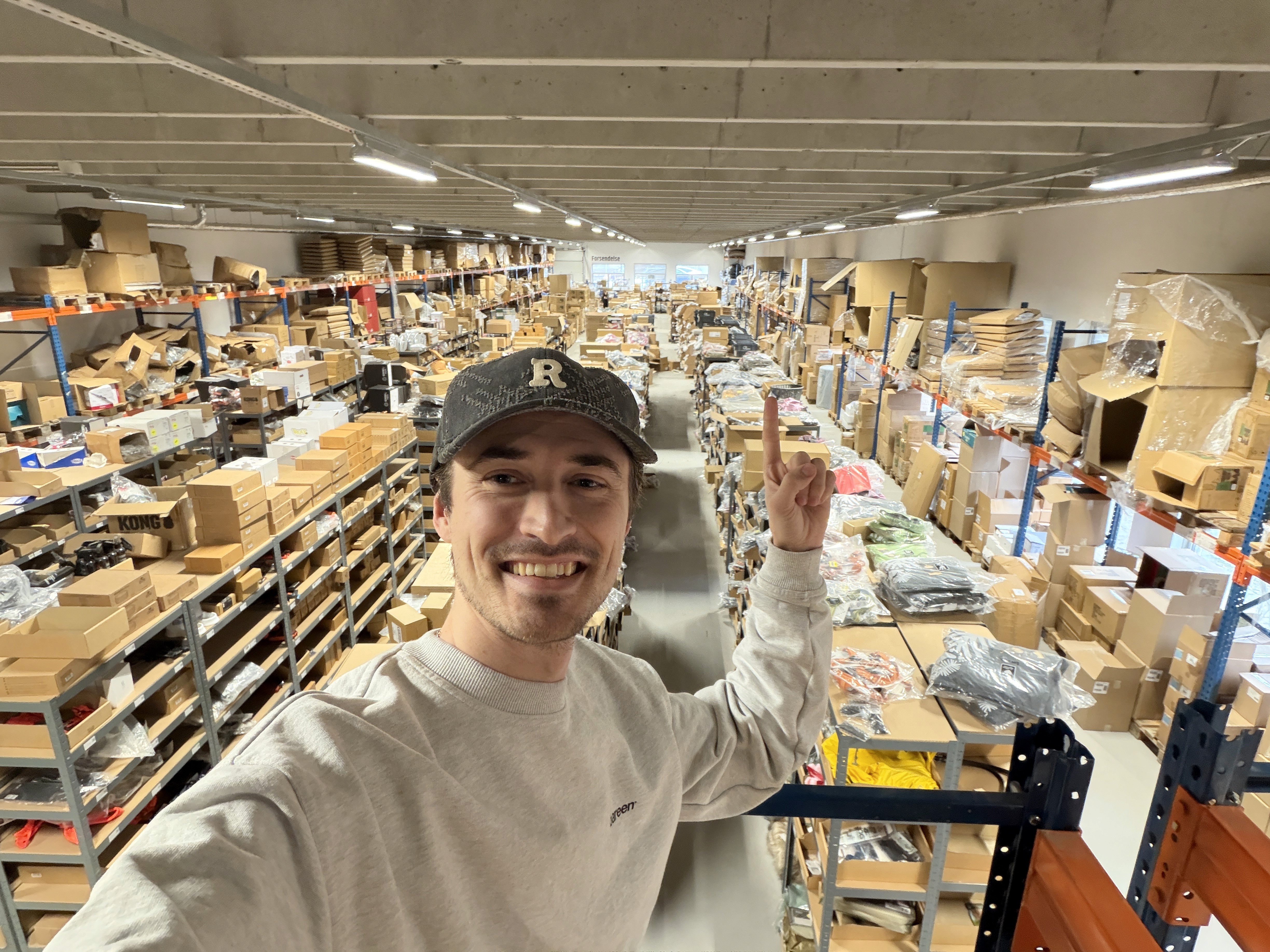
Meet the brand founder
The idea came from a personal moment. After bringing home a new dog, Frederik Simonsen started searching for the right gear. What he found instead was a market that hadn’t evolved.
There was no clear identity, no storytelling, and no emotional connection. Pet owners were forced to choose between quality and design.
That gap became the opportunity.
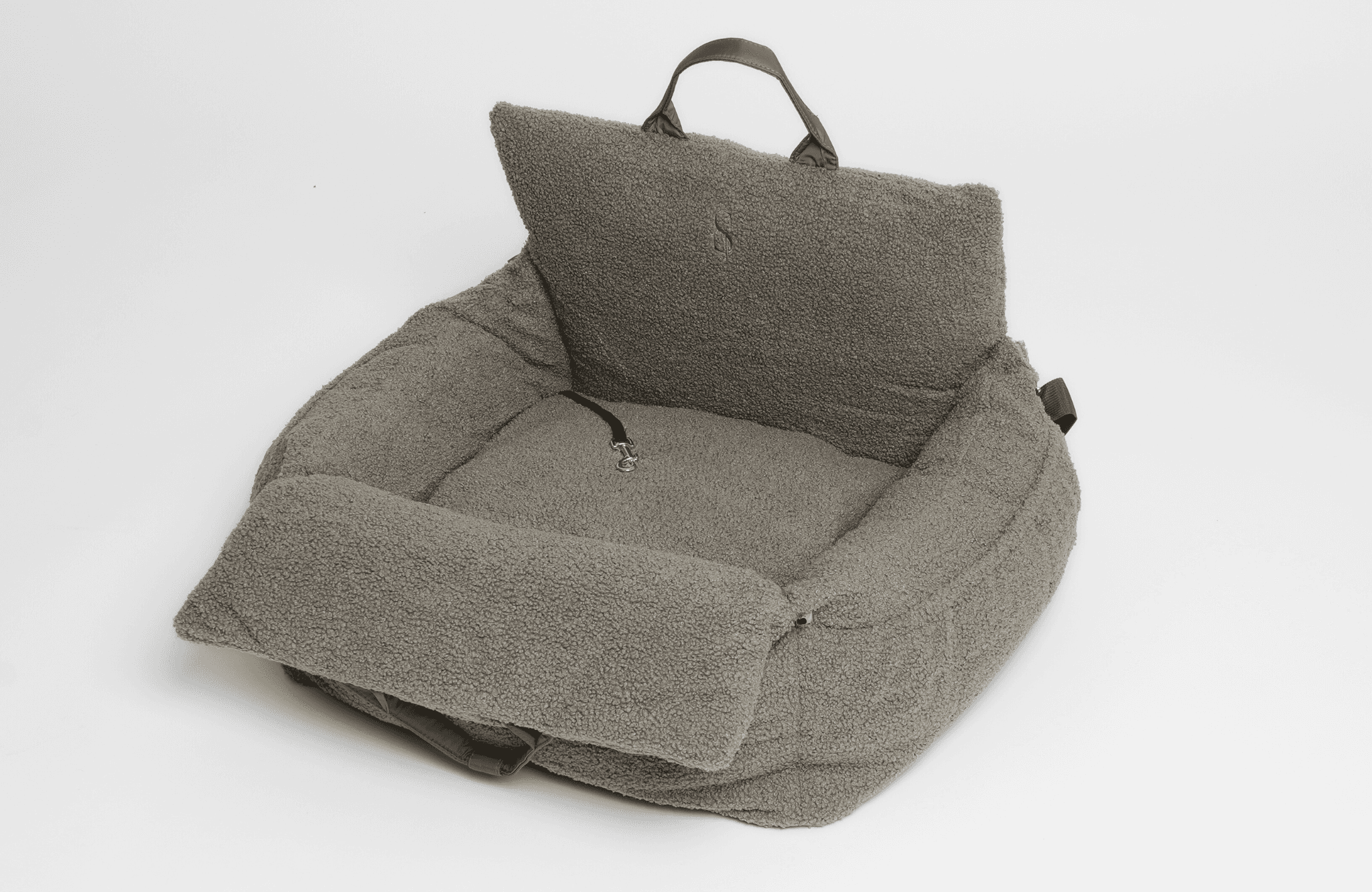
The goal was not just to sell products, but to build a complete universe around life with a dog. A brand where aesthetics, storytelling, and functionality come together naturally.
The early days started in Denmark with a simple approach – do everything differently.
Instead of focusing only on products, the team focused on people. They hosted live shopping events, showed up every day online, and built a close relationship with their audience. A dedicated Facebook community became the foundation for early growth.
Progress was slow at first. It took years of consistent work before things started to compound. But the focus on community and retention paid off.
The real turning point came when they launched their own brand, Staey. By separating it from their multi-brand store and giving it its own identity, they created something much stronger.
That decision allowed the brand to grow beyond Denmark and expand internationally, without losing its premium positioning.
The first real win
There wasn’t a single moment of doubt about the idea. The belief was there from day one.
But belief is one thing. Proof is something else.
That proof came about six months in, when the business hit its first 100,000 DKK day.
“It wasn’t just about the money. It was the moment we realized the market was actually waiting for this.”
Up until then, growth had been steady but uncertain. That day changed the perspective completely. It showed that the message was resonating at scale.
It was no longer about testing an idea. It was about building something that could grow much bigger.
Early growth didn’t come from a single campaign or viral moment. It came from constant iteration.
The team tested relentlessly, doubled down on what worked, and stayed close to their audience. Every small improvement compounded over time.
Long nights, no real downtime, and a constant focus on the next order became part of the culture. That consistency created momentum.
How the business runs today
Today, the business has evolved into a brand house managing multiple brands and webshops.
The team has grown to a core group of eight, supported by a much larger warehouse operation during peak periods. With more than 150,000 orders expected this year, the company is scaling fast.
Frederik’s role has shifted significantly.
In the early days, he was deeply involved in everything – marketing, operations, product, and execution. Today, his focus is on direction and alignment.
“My job is no longer to do the work. My job is to make sure the work wins.”
Most of his time is spent on strategy, ensuring that every part of the business is moving in the same direction. He works closely with the leadership team, sets priorities, and focuses on building a structure that can scale.
At the same time, culture has become a key priority. As the company grows, maintaining the same standards and energy becomes harder, but also more important.
The goal is to build a high-performance team without losing the human side of the business.
Leveraging experts, agencies & apps
One of the most deliberate decisions in the business has been to keep everything in-house.
Instead of relying on agencies, the team chose to build internal expertise. The reasoning was simple – no external partner can fully understand the brand’s identity or long-term vision.
Agencies were tested early on, but the results didn’t align with expectations. The focus on metrics like ROAS often missed the bigger picture of profitability and brand building.
The shift was toward building a stronger internal team.
The most impactful hire was a CMO who brought a data-first mindset. This helped balance the brand’s strong visual identity with a deeper understanding of performance and profitability.
On the tools side, the team focuses on clarity and efficiency rather than complexity.
TripleWhale plays a key role in understanding attribution and performance across channels. AI tools like Claude and Gemini are integrated into daily workflows, helping with automation, content, and decision-making.
The goal is not to use more tools, but to use the right ones well.

Big challenges
As the business scaled, the challenges shifted.
One of the biggest was warehouse operations. What worked at a smaller scale quickly broke under higher order volumes.
Logistics became a critical part of the business, not just a support function.
At the same time, cash flow became a constant focus. Growth requires inventory, and inventory ties up capital.
The team addressed this by becoming highly disciplined with financial tracking. They built a system that provides visibility several months ahead, allowing them to plan and make decisions with confidence.
Accurate reporting also became essential. Understanding true profitability, including goods in transit and operational costs, allowed them to move faster and avoid costly mistakes.
Scaling wasn’t just about selling more. It was about building a system that could support that growth.
Advice to brands on their way to 7–8 figures
Scaling from $5M to $10M is where many businesses slow down. The fundamentals start to matter more than ever.
Here are the key lessons:
1. Stop being the operator and become the architect
If everything depends on you, growth will stall. Your role is to create clarity and direction, not execute every task.
2. Understand your real numbers
Revenue and ROAS can be misleading. Focus on profit, cash flow, and contribution margins. Without this, scaling becomes risky.
3. Build internal strength
In-house teams move faster, care more, and understand the business better. External partners can support execution, but ownership should stay inside.
4. Invest in logistics early
Operations break before marketing does. Make sure your infrastructure can handle growth before you push harder.
5. Build a culture that scales
As the team grows, culture becomes your operating system. Clear values and expectations allow the business to run without constant oversight.
What’s next for the brand
The next phase is focused on expansion and systems.
The business is moving from a Danish success story to a broader European brand. Growth is becoming more structured, supported by internal playbooks and technology.
AI is playing a major role in this shift. The team has built internal systems that allow them to launch in new markets quickly, sometimes within days.
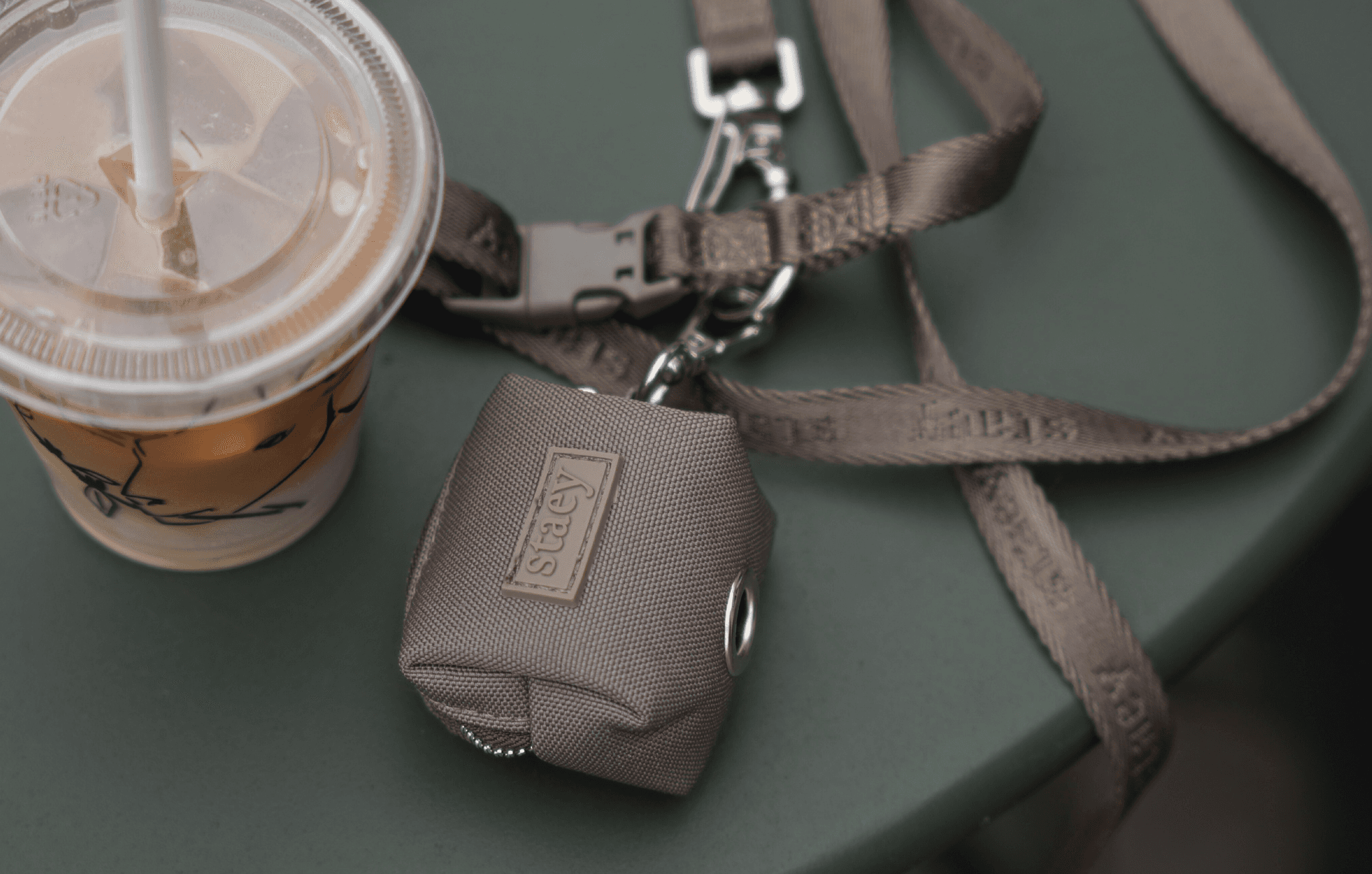
At the same time, they are expanding into new product categories and preparing to launch additional brands within the pet space.
To support this growth, a new 6,000 square meter warehouse is being introduced, designed to handle increasing order volume and improve efficiency.
The focus is no longer just growth through effort, but growth through systems.
The long-term vision remains clear – to build Europe’s most loved universe for life with a dog, where design, quality, and community come together.
Meet the experts behind brands like this
Scaling a Shopify brand takes more than a good idea – it takes the right people, systems, and partners at the right stage. Meet the experts who support brands like this on shopexperts.com