
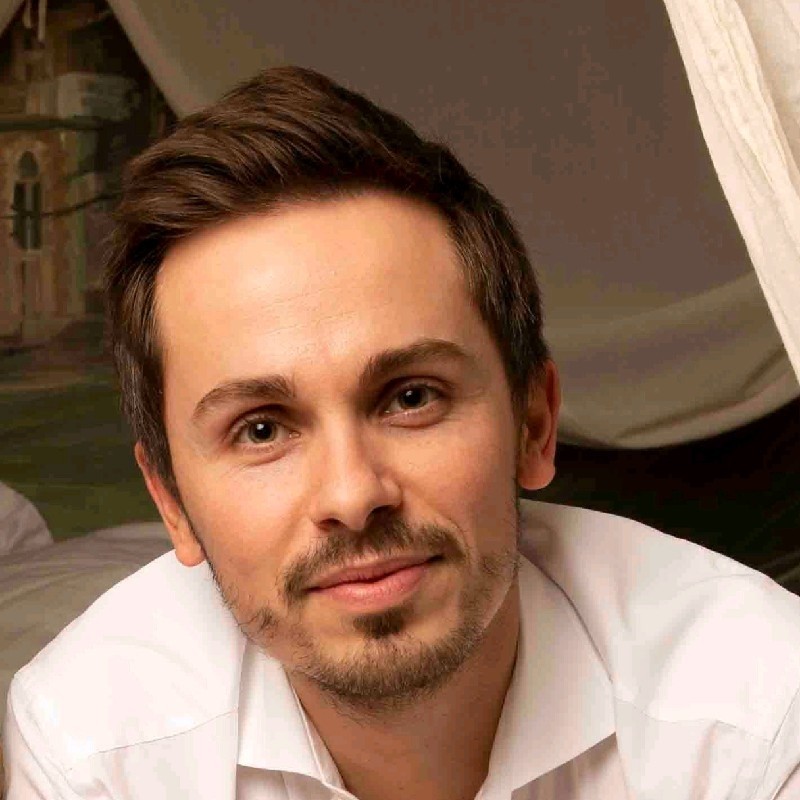


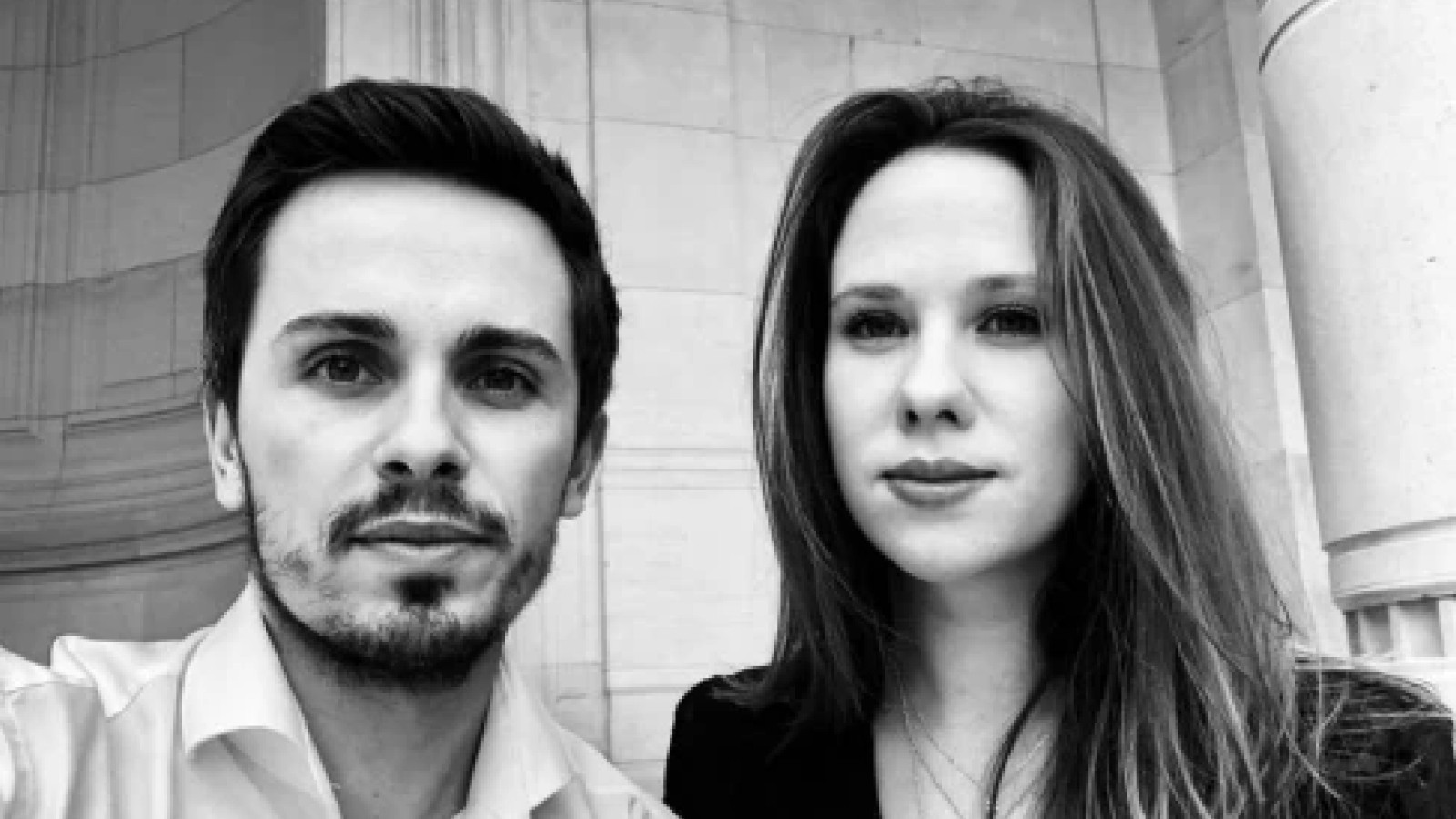
Meet the brand founder
Maxime Brassaert didn’t start his entrepreneurial journey with leather goods. He started with a desire for independence.
From early on, he wanted to build an online business that would allow him to work from anywhere and stop being an employee. Like many founders, his first attempts were experimental. He tested different models, including dropshipping, and began to see modest success. But something felt missing.
The business worked — but it didn’t feel durable.
Maxime wanted to build something that could last. A real brand. Something with strong margins, strong identity, and long-term value. Based on his earlier experiments, he knew one thing clearly: if he wanted sustainability, he needed high perceived value and a higher average order value. Fewer customers — but better ones.
At that stage, his girlfriend joined him. With a background in space design, she brought a strong understanding of aesthetics and materials. Together, they began exploring industries that aligned with their criteria.
They quickly focused on leather — specifically Italian leather, known for quality and craftsmanship.
In December 2019, they traveled to Italy to meet suppliers in person. Production was planned. The foundations were forming.
Then COVID hit.
Italy shut down before France. Their first production was delayed for months. Eventually, in July 2020, their first batch arrived: 100 bags, one model in five different colors.
The entire inventory was stored in their small bedroom in Paris.
That was the warehouse. That was the beginning.
The first real win
The website officially launched in August 2020.
The early weeks were uncertain. Traffic was limited. Sales were inconsistent. They needed visibility — but without a large budget.
Instead of chasing traditional influencers, they made a calculated move. They reached out to contestants from the French survival TV show Koh Lanta. These weren’t typical reality influencers; they were relatable personalities just beginning to build their online presence. Their promotional rates were still affordable.
The timing was strategic. Every evening the show aired, viewers would search for contestants on Instagram during commercial breaks. When they did, they saw the brand partnerships.
Sales followed.
By December 2020 — just four months after launch — the brand had generated €100,000 in revenue.
That was the moment Maxime realized they weren’t just testing an idea anymore. They were building a brand.
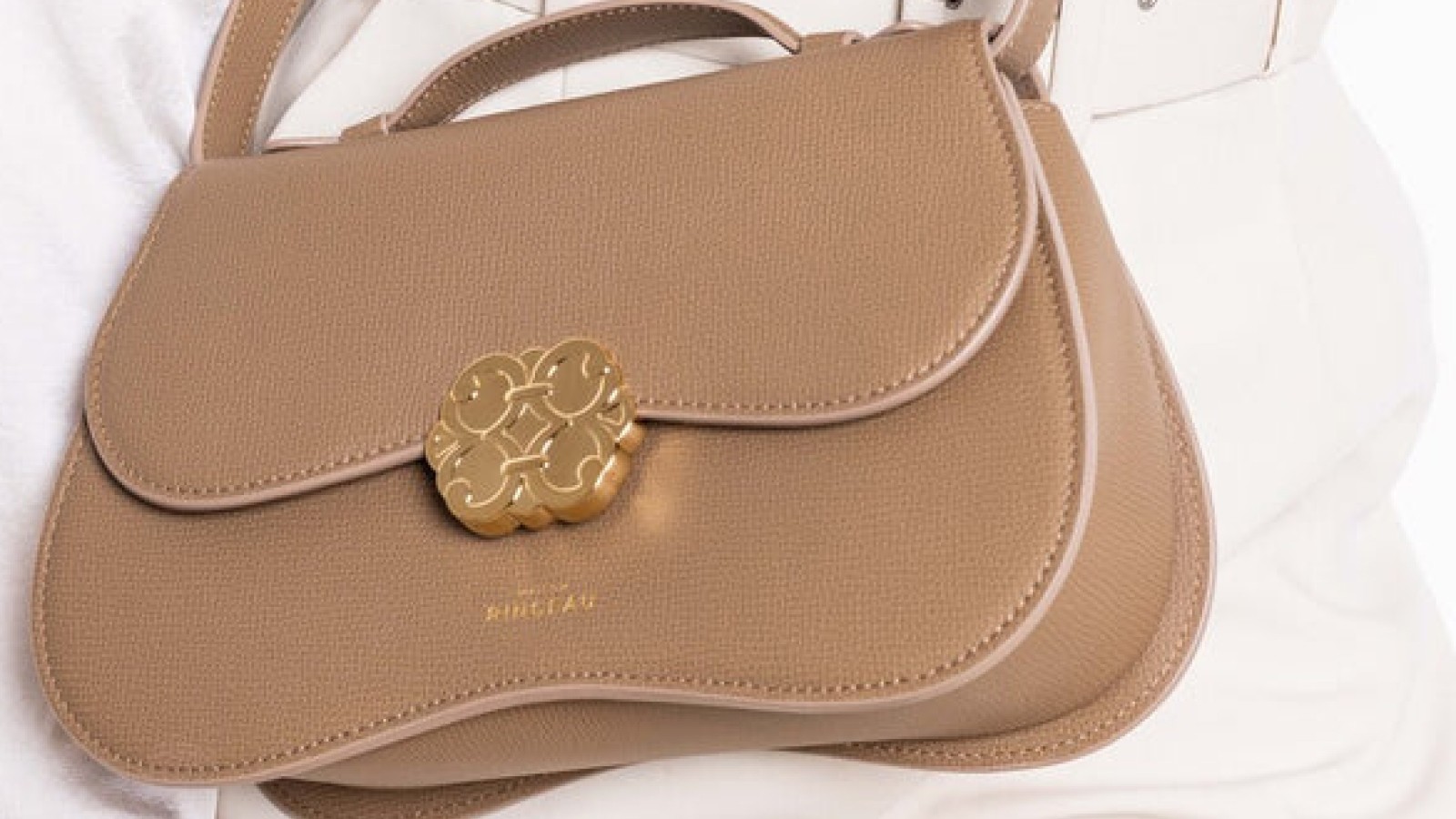
Two factors fueled that growth. The first was influencer timing. The second was product-market fit — particularly the launch of their second bag, which quickly became (and remains) their bestseller.
Those early profits were reinvested directly into Meta advertising, laying the foundation for scalable acquisition.
How the business runs today
Despite its growth, the company remains intentionally lean.
It is still primarily run by Maxime and his girlfriend, supported by a small external network: a logistics partner, a media buyer, and an after-sales agent.
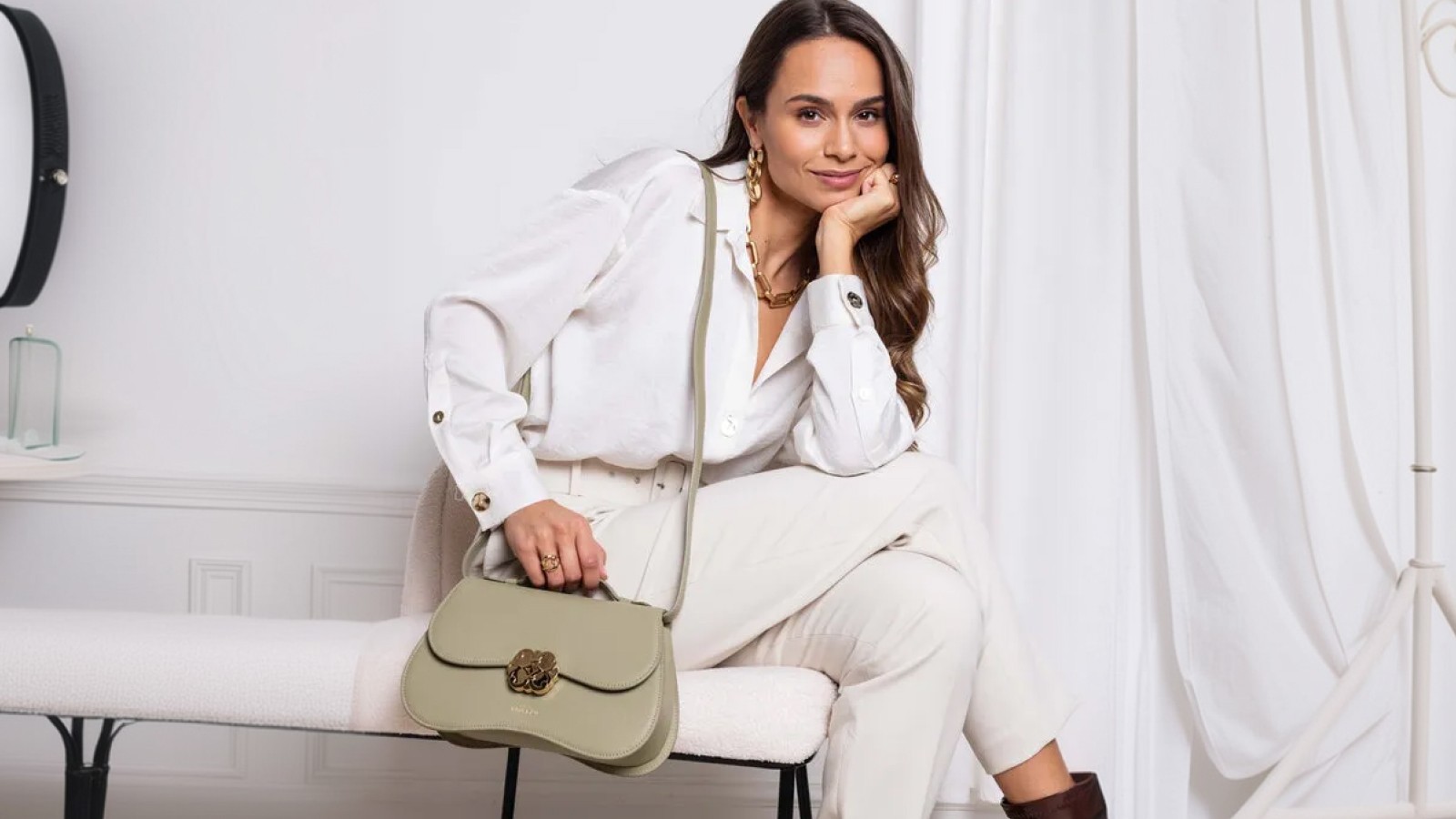
Maxime operates as CEO, but in practice, he wears multiple hats. He oversees marketing, production, and operations. His girlfriend leads artistic direction, designs new models, and manages organic content strategy.
Over time, processes have replaced chaos. Automation handles much of the operational workload. The business no longer requires fixed corporate hours to survive.
Today, Maxime’s focus includes:
Marketing strategy and paid acquisition direction
Planning advertising creatives
Monitoring operations and logistics
Managing sensitive or complex customer service cases
He no longer executes every task himself — but he stays close enough to understand every moving part.
Control, for him, is clarity.
Leveraging experts, agencies & apps
Maxime’s view on external experts is pragmatic — and somewhat skeptical.
He believes strongly that no agency will ever grow a business the way a founder will. Experts deliver services. They do not build vision.
In the early stages, he preferred learning each skill himself before outsourcing. He began by developing website widgets on his own before eventually hiring a developer. He managed logistics before moving to a professional partner. He handled media buying from his dropshipping experience before transitioning to a specialist.
This approach gave him leverage. By understanding the work firsthand, he could better assess pricing, timelines, and performance.
Today, he hires for two reasons only:
Missing skills
Time efficiency
Strategy always remains internal.
Among tools, one stands out as essential: Triple Whale, which allows daily tracking of profitability and performance. Clear numbers guide every decision.
One experiment that failed was hiring external product designers. Capturing brand identity proved difficult for outsiders. Some designers also requested royalties on future sales — a structure Maxime was unwilling to adopt. Product design remains fully in-house.
Big challenges
The greatest challenge hasn’t been growth. It’s been scaling profitably.
The brand is 100% bootstrapped. There are no investors cushioning mistakes. Every marketing decision must protect margins.
That reality changes behavior. It forces discipline.
While some brands chase aggressive top-line growth, Maxime prioritizes resilience. Expansion into new markets — across Europe and the United States — happens carefully and deliberately.
Without outside funding, profitability is not optional. It is survival.
This has led to a slower but more structured growth strategy — one built on fundamentals rather than external capital.
Advice to brands on their way to 7–8 figures
Maxime is careful not to position himself as having all the answers. But his philosophy is clear.
Focus relentlessly on product quality and customer service. If both improve consistently, long-term success follows.
On working with experts, his advice is more direct. Many founders hire agencies expecting them to “figure everything out.” That expectation leads to disappointment.
Before hiring, founders should define:
What exactly needs to be done
What success looks like
Why outsourcing makes sense
Hiring without clarity is wasted money.
Experts execute. Founders lead.
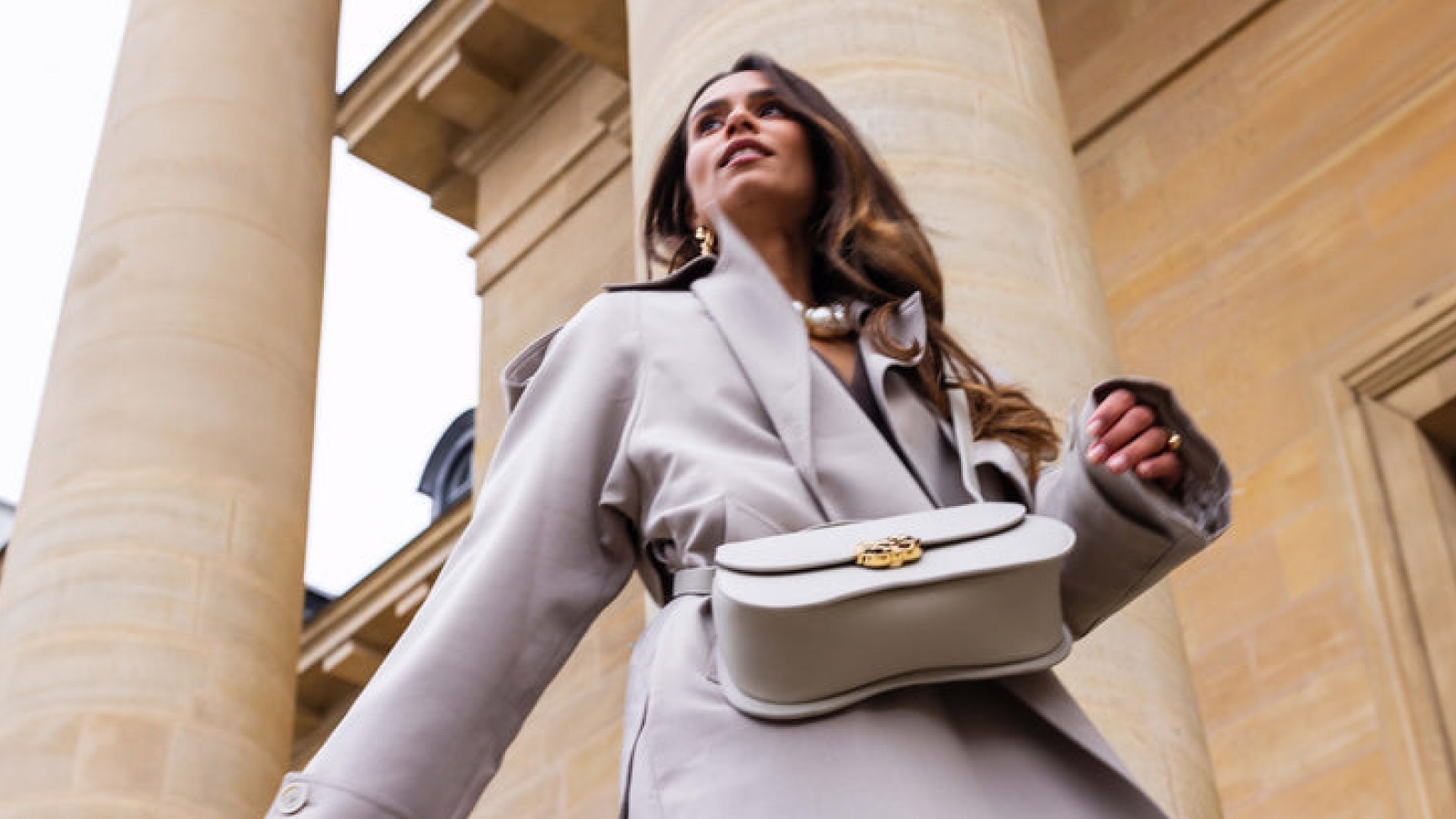
What’s next for the brand
The next 12 to 24 months are not about explosive scale.
They are about strengthening profitability.
The focus remains on expanding in the American and European markets — but with discipline. Revenue growth alone is not the goal. Increasing net benefit is.
For Maxime, success isn’t measured purely by sales volume.
It’s measured by control, sustainability, and ownership.
Meet the experts behind brands like this
Scaling a Shopify brand takes more than a good idea — it takes the right people, systems, and partners at the right stage. Meet the experts who support brands like this on shopexperts.com