
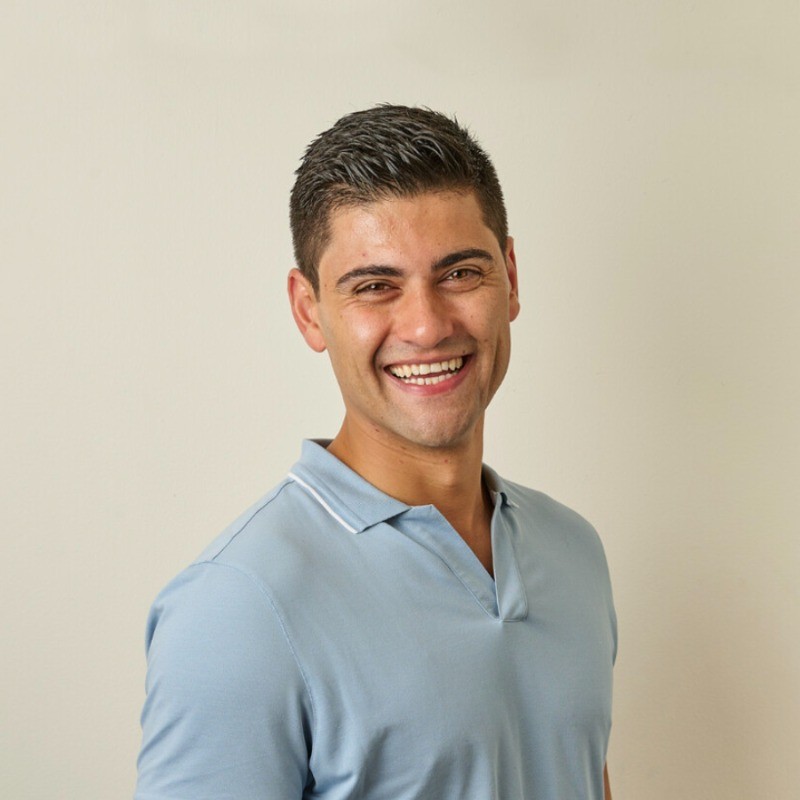


Meet the brand founder
Kareem Raslan didn’t set out to build a global fitness brand. In June 2020, like millions of others in the UK, he was simply stuck at home during lockdown with no access to a gym.
The problem was obvious: people still wanted to train, but the equipment wasn’t accessible.
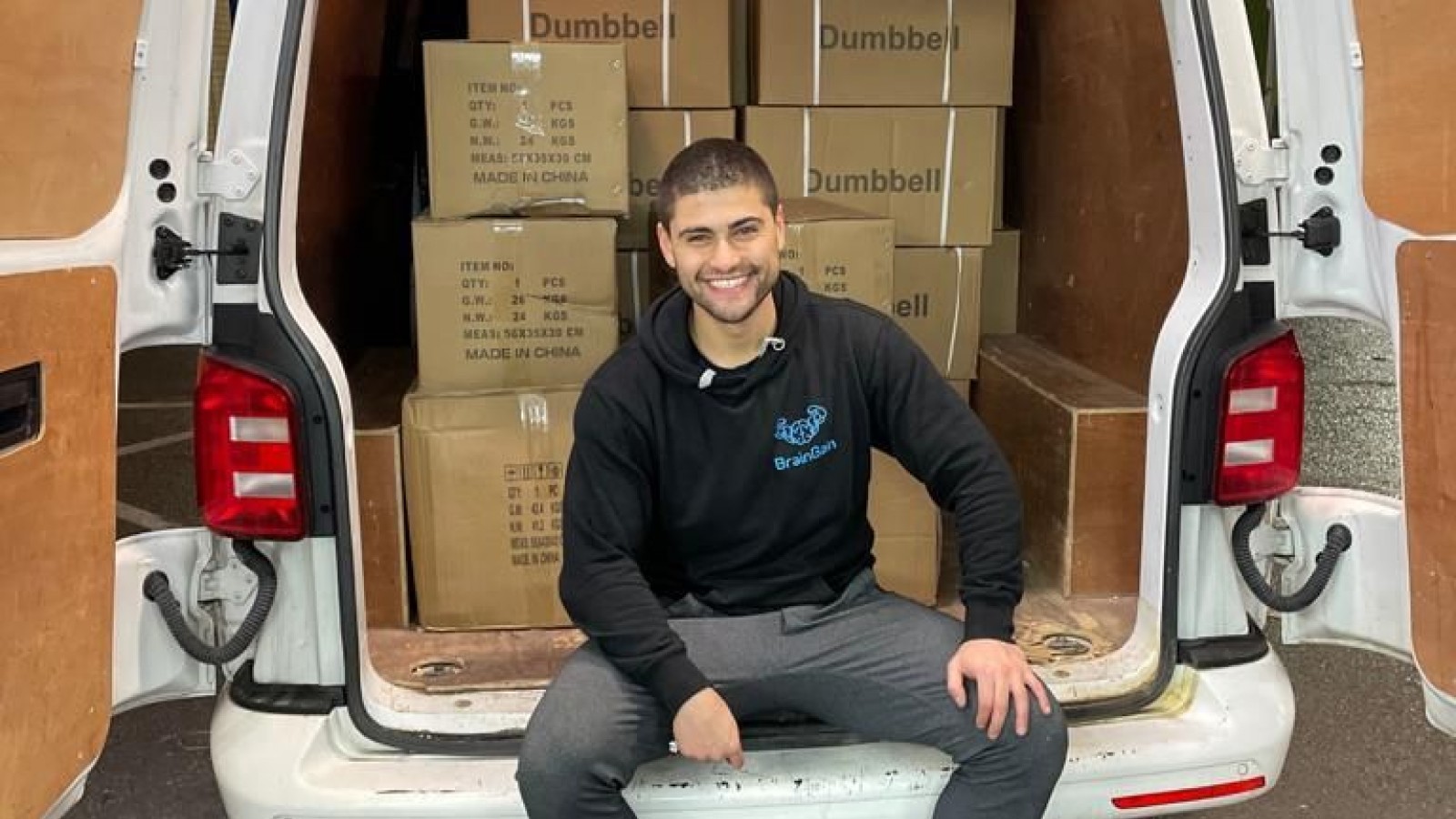
Together with his co-founder, Kareem decided to test a simple idea — adjustable dumbbells, sold locally. They imported 25 pairs and stored them in their parents’ garages. Those 25 quickly turned into 75, then 150. Before long, they were importing full containers, unloading them by hand, and personally delivering orders.
What started as a scrappy lockdown solution has since grown into a 7-figure Shopify brand serving over 100,000 customers across 30 countries.
The first real win
The turning point came when Kareem and his co-founder decided to move beyond local sales and Facebook Marketplace.
They built their first Shopify store themselves. Within hours of going live, the first order came through.
“That’s when we realized this could scale beyond our local area.”
They repeated the same approach on Amazon — self-built listings, self-managed ads — and saw immediate traction. Revenue ramped from £1,000 per month to £100,000 per month in just a few months.
There was no playbook. No mentors. Just speed, experimentation, and a willingness to figure things out in real time.Even when lockdowns began lifting in early 2021, they doubled down. Three containers arrived around April — a nerve-wracking investment — but Kareem believed home training wasn’t a temporary trend. That conviction shaped the next phase of growth.
How the business runs today
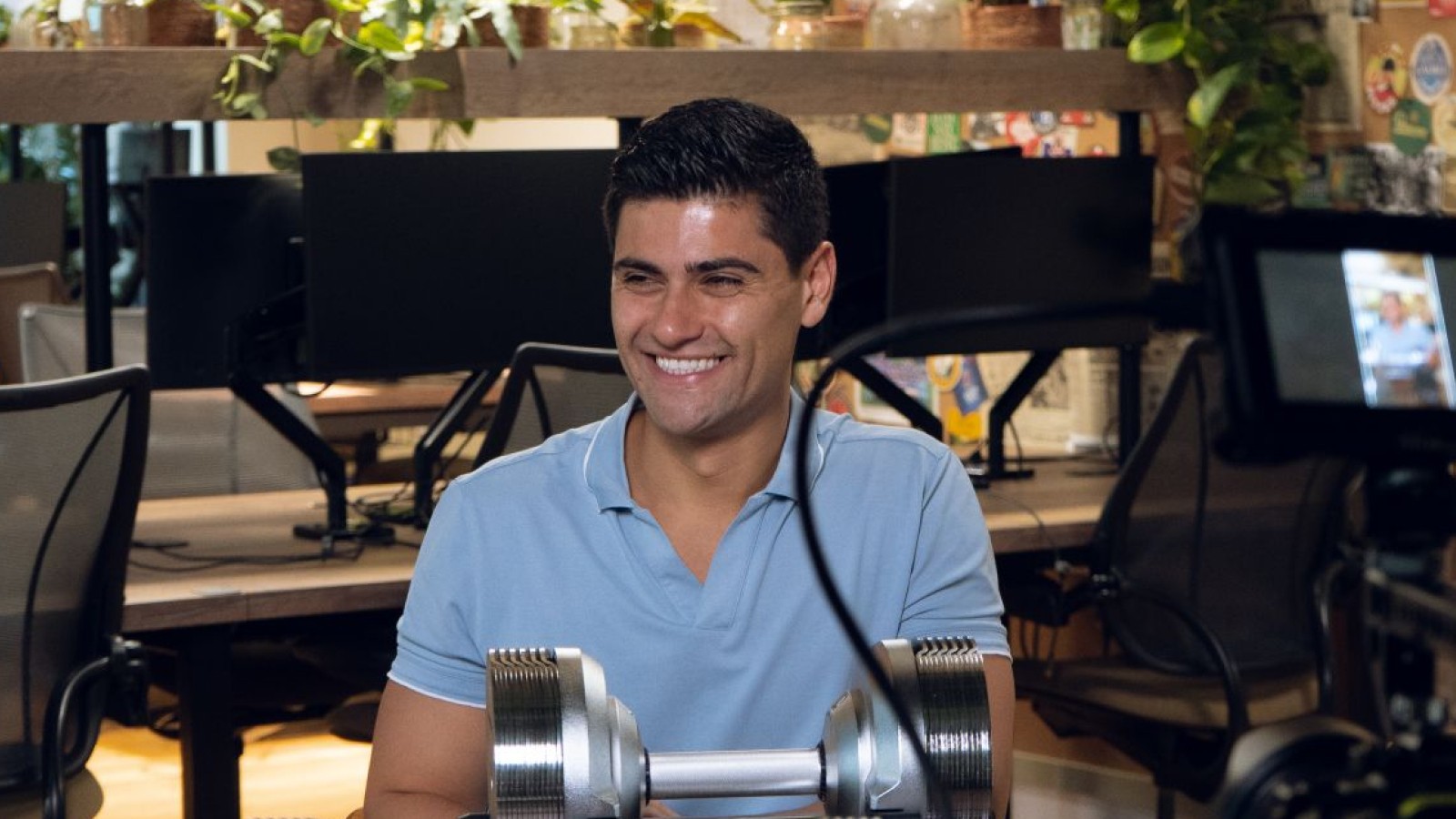
In the early days, Kareem handled operations and customer service himself — on top of a full-time career in banking. His co-founder was juggling consulting work alongside unloading containers and coordinating deliveries. Today, the business looks very different.
The company employs 10+ people, covering customer service, operations, marketing, and finance. Kareem’s role has shifted from doing everything to overseeing the machine.
His time is now split between:
Sales and marketing strategy
Amazon and Shopify growth
Paid media performance (Google & Meta)
Financial planning and fundraising
Weekly rhythms are structured around leadership check-ins rather than execution. Kareem stays closely involved in decision-making and performance reviews, while remaining deliberately removed from day-to-day customer service and fulfillment. That separation has allowed the business to focus on growth instead of survival.
Leveraging experts, agencies & apps
External expertise played a role early — but not without hard lessons. Kareem initially hired large, expensive agencies, assuming experience equaled results. One agency cost over £5,000 per month, only to later be replaced by a £500 per month partner delivering better outcomes.
The biggest unlocks came from:
Amazon expertise, enabling scale from £50k/month in the UK to £500k/month across EU markets
3PL partnerships, removing the operational ceiling of in-house fulfillment
Meta advertising specialists, especially for creative testing
An outsourced Financial Controller, who transitioned the business from cash-based to accrual accounting — freeing up founder time and revealing true profitability
On the tools side, the business relies on:
Judge.me for reviews
Klaviyo for email
Coco.ai for WhatsApp marketing
GoAffPro for affiliates
Hotjar for on-site behavior
eDesk for customer support
OneClickUpsell for post-purchase revenue
Not every tool stuck. Shopify’s native Translate & Adapt, for example, is already on the chopping block.
Big challenges
The hardest lessons came around unit economics and cash flow.
For a long time, Kareem and his team handled bookkeeping themselves, reporting on a cash basis. On paper, things looked profitable — but in reality, payments were being delayed and margins misunderstood.
Hiring a Financial Controller changed everything.
They began analyzing profitability SKU by SKU, geography by geography, channel by channel. Small leaks — like payment processing fees quietly eating 3–5% of margin — suddenly became visible and fixable.
Today, the main constraint isn’t demand. It’s working capital. The brand is supply-constrained and focused on improving payment terms and securing financing to unlock the next phase of growth.
Advice to brands on their way to 7–8 figures
Kareem’s advice is blunt: know your unit economics or you’re guessing.
Founders should obsess over:
What actually makes money
What needs to be optimized
What should be killed
Pricing, fulfillment costs, CAC, payment processing, FX fees, returns, discounts — everything compounds at scale. When it comes to experts and agencies, the mistake isn’t hiring — it’s hiring blindly.
“Too cheap or too expensive are both wrong,” Kareem says. “And you should never stop challenging your experts. They know their field — not your business.” Clear targets matter. So does mutual accountability.
What’s next for the brand
The strategy for the next 12–24 months is simple: focus. After spreading too thin across channels, SKUs, and geographies, the brand has narrowed back to its core — adjustable dumbbells — and adjacent products designed to increase LTV through upsells and cross-sells. The priority is profitable growth, not vanity expansion, with plans to enter the U.S. market in 2027.
Meet the experts behind brands like this
Scaling a Shopify brand takes more than a good idea — it takes the right people, systems, and partners at the right stage. Meet the experts who support brands like this on shopexperts.com