
Shopify Case Study: How Greenhouse Built a Nationwide Juice Brand
Greenhouse is a Shopify-powered juice brand that scaled nationally through product quality, operational innovation, and community-driven growth. This case study explores how the team solved shelf-life challenges while building a scalable business.

Industry
Location


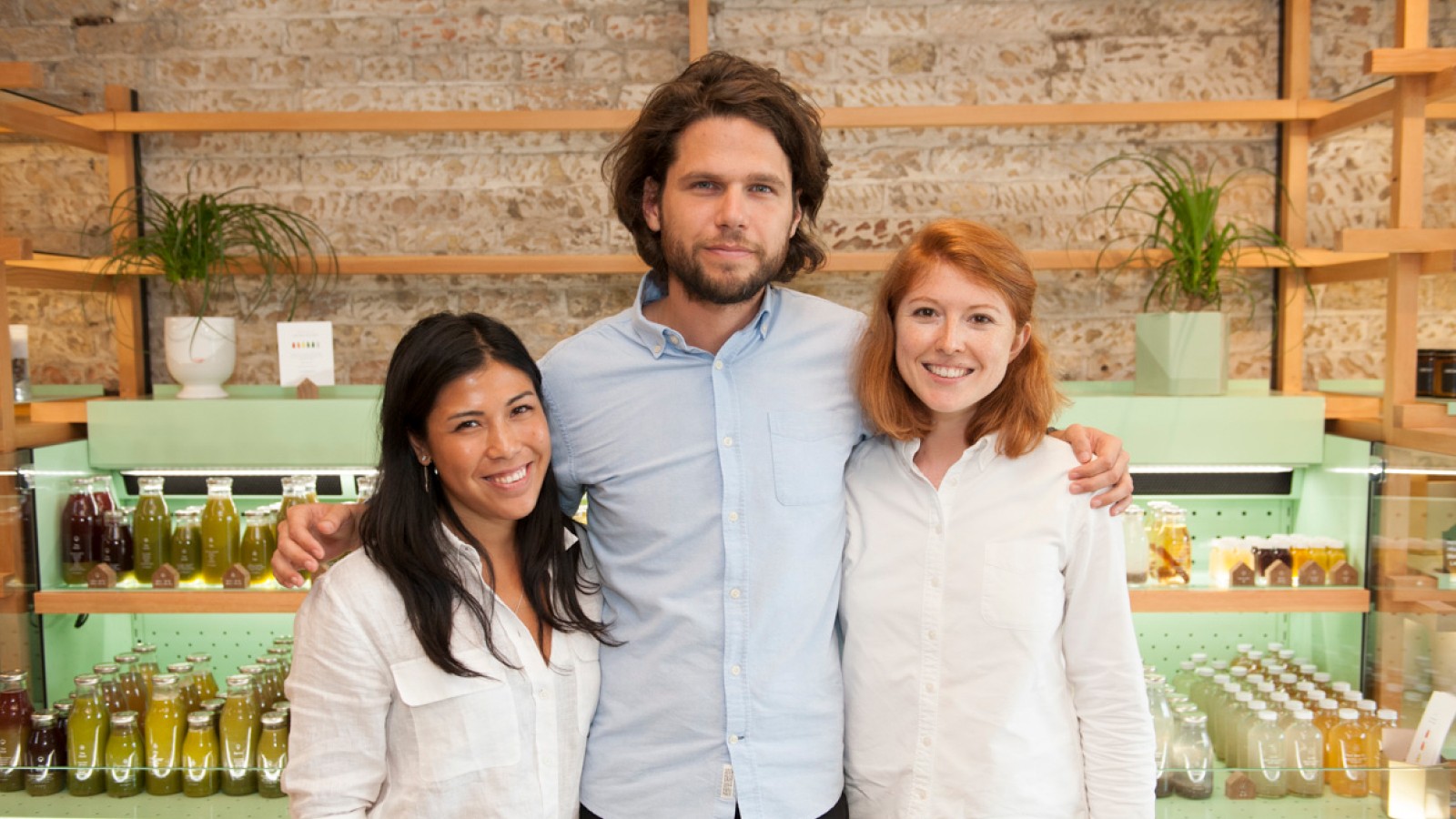
Meet the brand founder
Hana James is the Co-Founder and Head of Community and Advocacy at Greenhouse, a wellness brand built around the idea that healthy products should be both enjoyable and accessible.
The idea for Greenhouse sparked from the gap between what Toronto had and what it could have. Hana remembers seeing the city’s wellness landscape and realizing that health was treated as exclusive, rather than enjoyable and approachable. She and her co-founders wanted to create a product that felt luxurious but remained accessible.
They opened their doors on January 8, 2014 – in the middle of a brutal Toronto winter at -30 degrees. Against all odds, they sold out within an hour. With only three team members, every day became a balancing act of serving customers and producing enough product to sell the next day. The storefront on Macpherson Street doubled as a production facility, and the team worked late into the night, fueled by adrenaline and juice.
By June 2014, they had expanded into a larger production facility at 2 Strange Street, opened two additional locations, and started planning for further growth. Short shelf-life was already a challenge, and the team knew that innovation would be key to scaling.
The first real win
The first real win came immediately – customers flocked from all over the city and beyond. Even people unfamiliar with cold-pressed juice were curious and eager to learn. It wasn’t just sales; it was the beginning of a community.
The driving force behind early growth was simple: the product. Glass-bottled, functional, and delicious juices captured attention. The team invested time in education, hosted events, and made sure potential customers could experience the brand firsthand.
From that first hour of selling out in winter to creating a devoted following across Toronto, it became clear that health could be enjoyable, luxurious, and accessible.
How the business runs today
Today, Hana serves as Co-Founder and Head of Community and Advocacy. Her work spans marketing, R&D, and sustainability initiatives. She ensures each product maintains its original quality and health benefits.
She spends her week managing campaigns, speaking at events, and collaborating with the team on product launches. Sustainability remains central – Greenhouse is certified neutral plastic and actively minimizes microplastics in the supply chain.
Day-to-day store operations are handled by her team, allowing her to focus on growth, strategy, and community engagement.
Leveraging experts, agencies & apps
Greenhouse launched at a time when social media was just beginning to change how brands connect with customers. Platforms like Instagram quickly became one of the company’s most powerful tools for building community and sharing the brand’s story.
In the early years, most marketing was handled internally. As the digital landscape evolved, the team began working with marketing partners to help execute campaigns and keep up with changes across platforms, while still keeping strategy in-house.
In her day-to-day work, Hana mainly relies on a few key tools:
Shopify – runs ecommerce and in-store sales
Shopify Collabs – helps manage creator and partnership programs
Klaviyo – powers email marketing and customer retention
Other teams across the company use additional apps and tech stacks for logistics, operations, and distribution. Because Greenhouse is a vertically integrated business, not every tool fits perfectly out of the box, so the team regularly tests new solutions and adapts quickly when something doesn’t work.
Over time, they’ve learned that the most important factor when choosing tools or partners is flexibility. The technology needs to support the way the business operates, not the other way around.
Big challenges
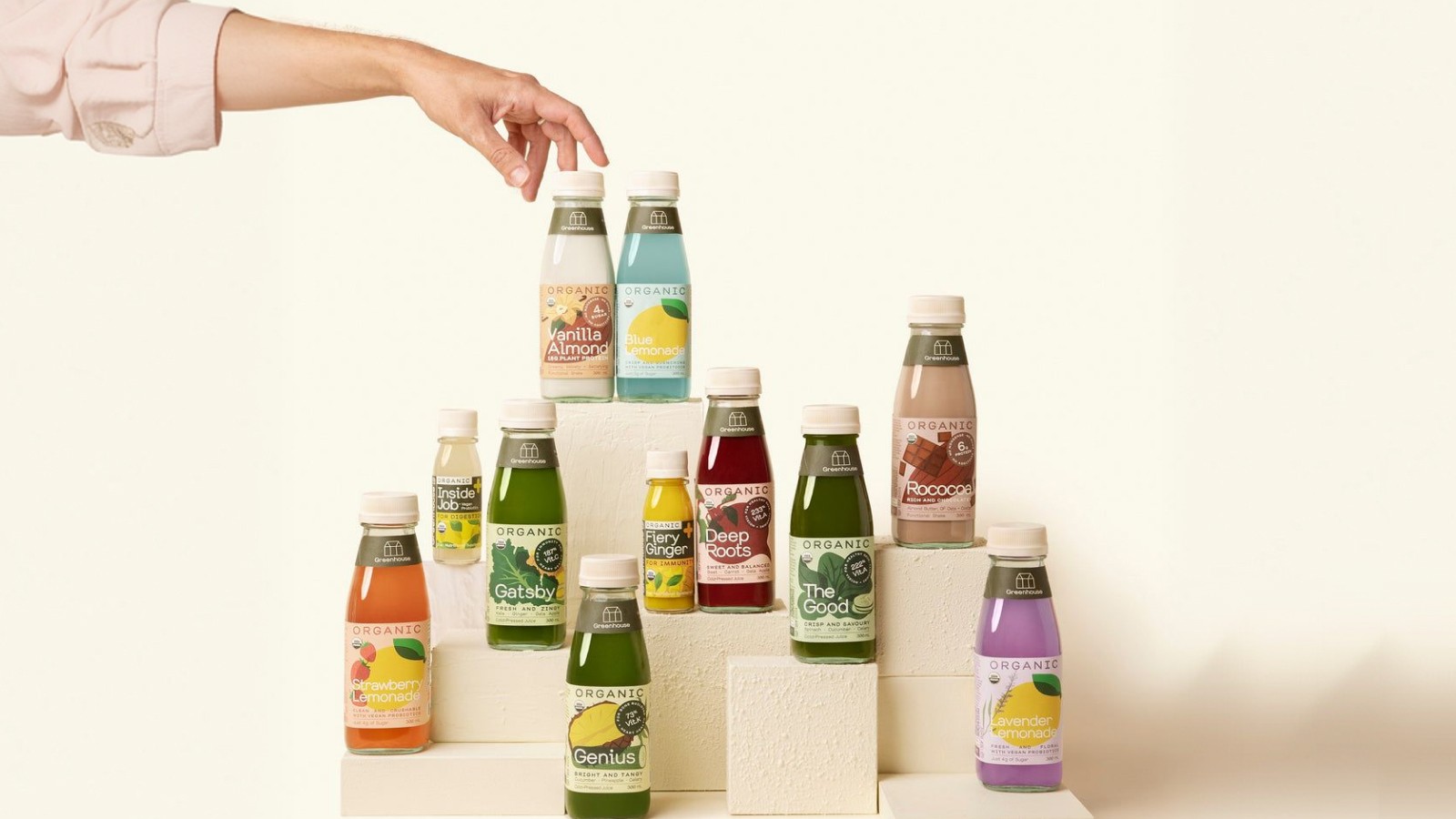
Shelf-life was the biggest hurdle. Initial products lasted only 3–5 days, limiting distribution and increasing waste. Traditional methods like heat pasteurization or HPP would destroy nutrients or require plastic packaging – unacceptable for the brand.
Greenhouse innovated with UV Light Filtration, extending shelf-life without compromising quality. This technology allowed them to scale in a 25,000 sq. ft facility and expand distribution sustainably.
Advice to brands on their way to 7–8 figures
1. Be creative and flexible. Growth rarely follows a straight line. Innovation can make the difference.
2. Know what you need from experts. Agencies and tools should accelerate execution, not replace strategy.
3. Keep strategy in-house. Your team must own the mission, numbers, and roadmap.
4. Focus on product and community. Quality and education drive loyalty – and loyalty drives growth
What’s next for the brand
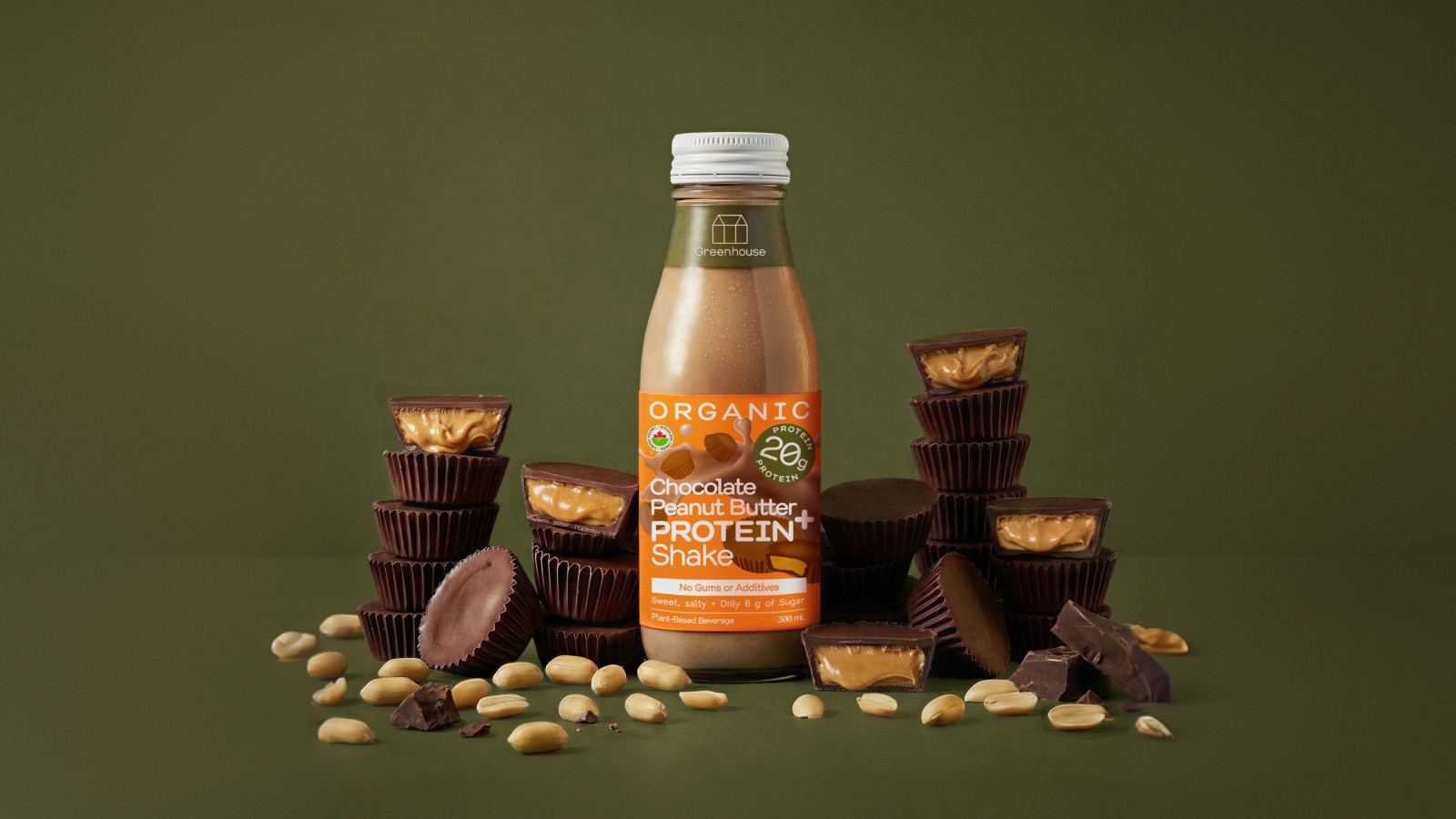
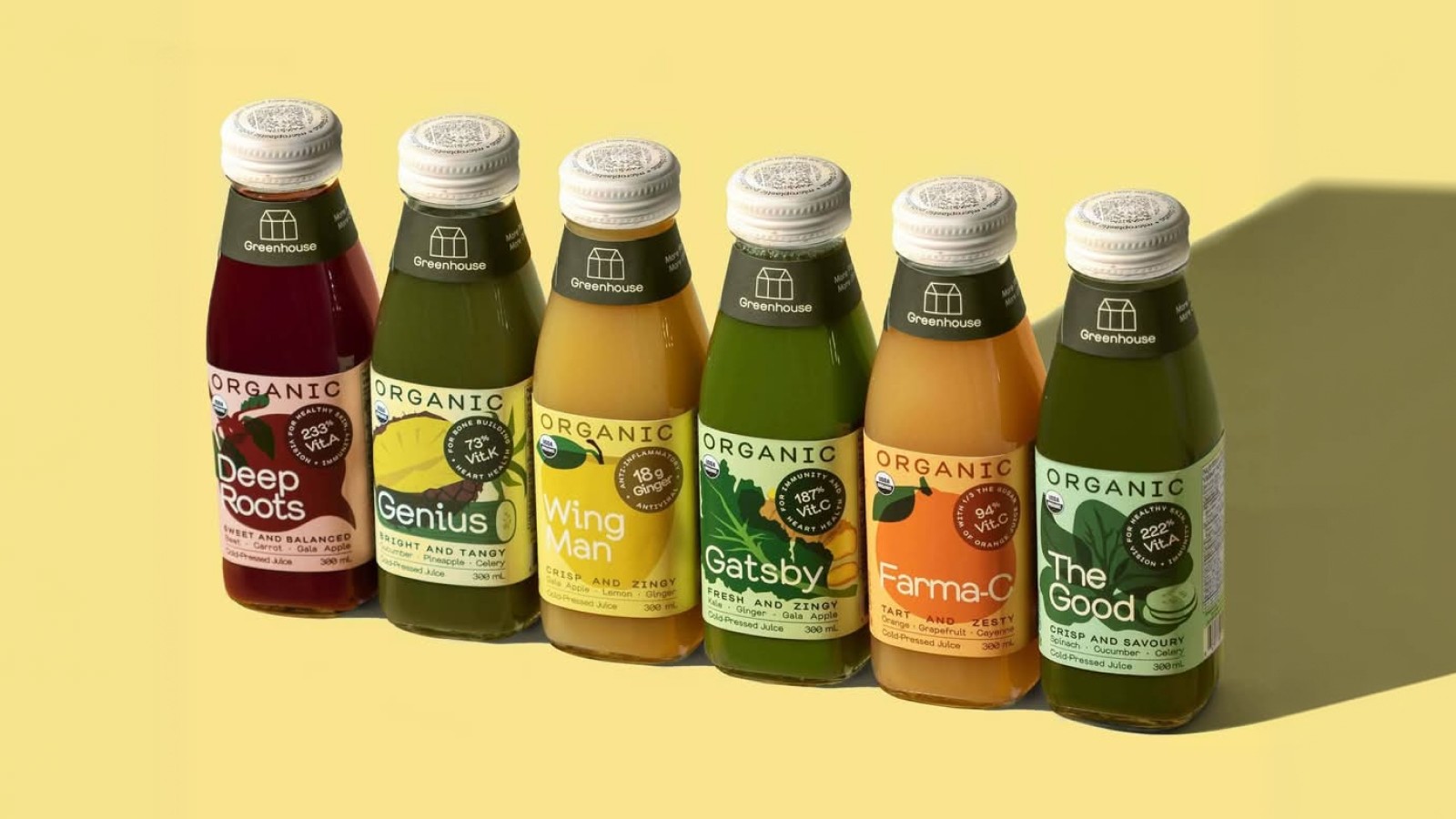
Looking ahead, Greenhouse is focused on expanding across Canada and entering the U.S. market. Recent launches include innovative products like a 16-pack ginger shot, a 2L shot box in West Coast Costco stores, and a chocolate peanut butter protein shake that balances nostalgia with nutrition.
Distribution growth and brand awareness in new markets are top priorities. Hana envisions Greenhouse becoming a household name for accessible, high-quality wellness products.
The journey that started with a single winter launch has grown into a nationwide movement – proving that health can be luxurious, enjoyable, and available to everyone.
Meet the experts behind brands like this
Scaling a Shopify brand takes more than a good idea – it takes the right people, systems, and partners at the right stage. Meet the experts who support brands like this on shopexperts.com