
Shopify Case Study: How One Founder Rebuilt Her Clean Beauty Brand After Beating the Diagnosis That Inspired It
Shopify Case Study: How One Founder Rebuilt Her Clean Beauty Brand After Beating the Diagnosis That Inspired It
Ira Kaganovsky started making natural deodorant in her kitchen after three friends were diagnosed with breast cancer. Then she was diagnosed herself. She returned from a two-year fight to find her company in debt with no revenue — and rebuilt it lean, focused, and outsourced from the ground up.
Industry
Location



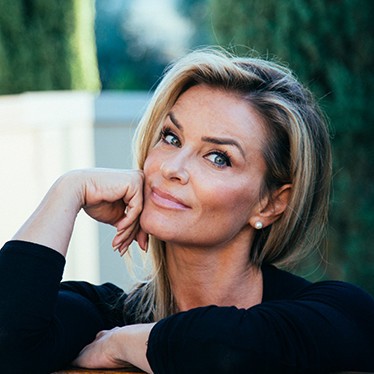
Meet the brand founder
It started with a number Ira couldn't shake.
Three friends, all diagnosed with breast cancer. Ira has three daughters. The math of that hit home in a way statistics on a page never could.
Then she learned something that reframed everything: skin is the body's largest organ, and it absorbs what you put on it. She thought about where people apply antiperspirant — right next to the breast — and the fact that the FDA classifies it as an over-the-counter drug. That was the moment the problem became personal and specific.
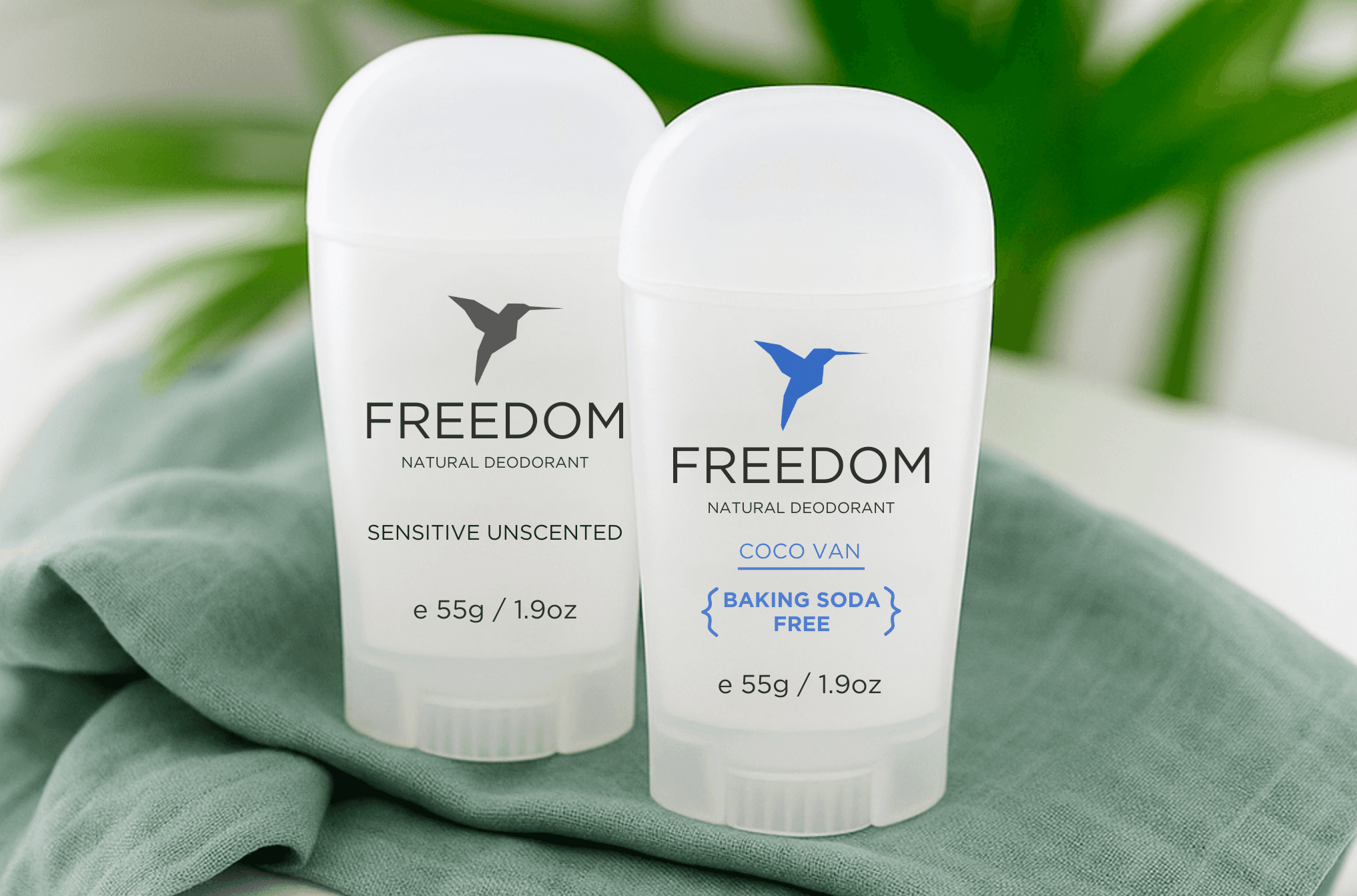
So she started making natural deodorant in her kitchen.
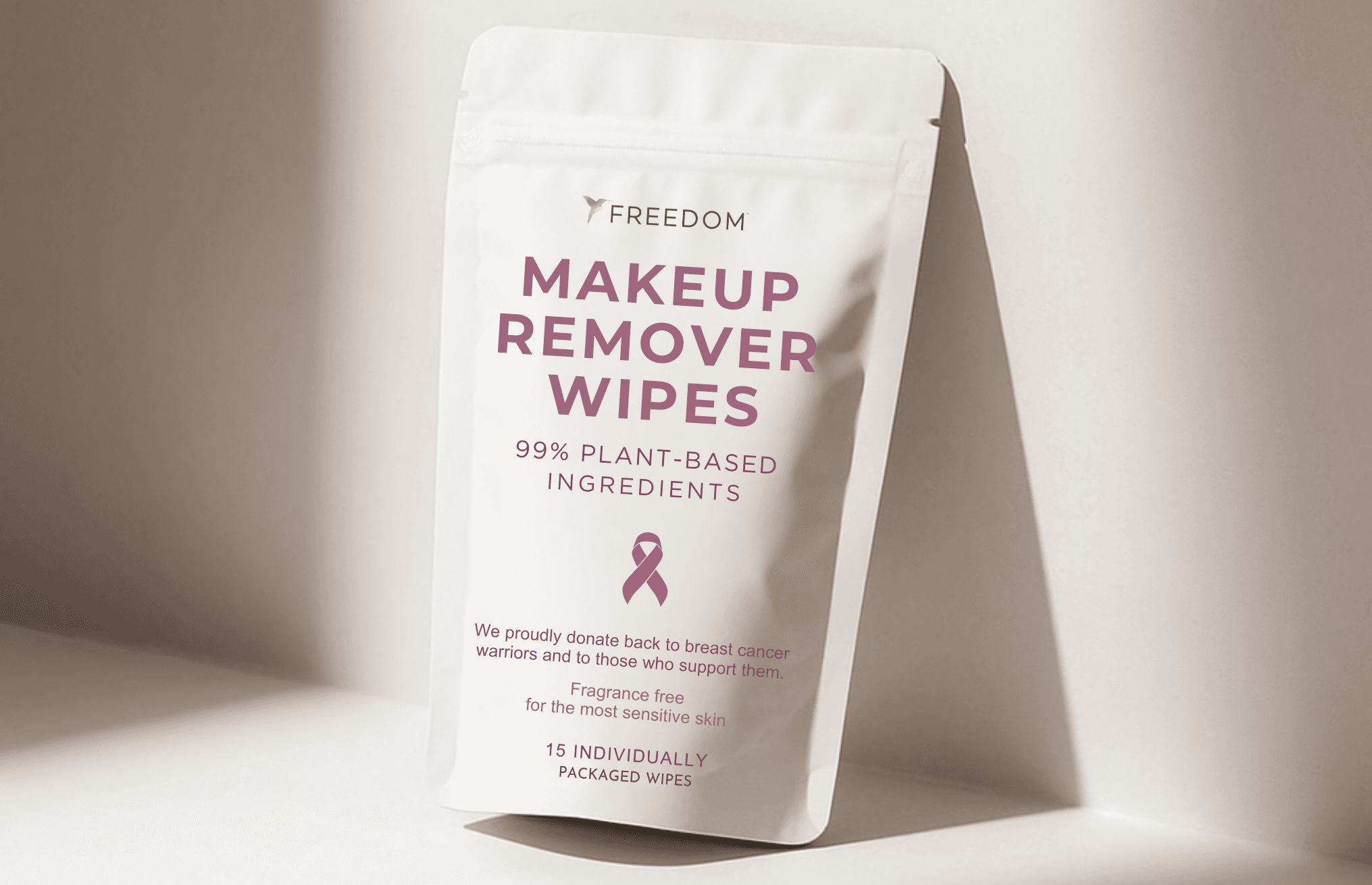
That first product led to others. Makeup wipes. Travel amenities for the hospitality industry. The line grew the way kitchen-table businesses grow — one idea at a time, driven by the founder's own conviction.
Then came the surprise no one plans for. Two years ago, Ira was diagnosed with breast cancer herself — the very thing that sparked the brand now part of her own story.
The early days were exactly as scrappy as they sound. Ira packaged and stored everything in her house. You couldn't see a wall without a box or two of packaging, labels, bottles, coconut oil, essential oils. When she finally moved operations into a warehouse, she couldn't believe how much had come out of her home.
And in the most honest detail of her whole story: she still holds all the raw materials at her house. Some things about a founder-built business never fully leave the founder.
The first real win
The validation came from a hotel lobby.
The Four Seasons gave Ira's brand a small purchase order. It was the kind of order that's easy to celebrate quietly and easy to overthink. So three days after dropping off the first shipment, Ira went to see the display in person.
She couldn't find the product.
It had sold out. In three days.
"That's when I knew we had something."
What drove that early growth, in Ira's own blunt assessment, was one thing: her. Lots of hustle and lots of mistakes. Online shopping was just coming into its own, and she was trying to navigate it without any experts to lean on. She'll tell you plainly that some of it was luck — and that if she could go back, she'd change so many things.
But the Four Seasons sellout revealed the real opportunity. The momentum wasn't going to come from a slow DTC climb. It was going to come from wholesale. The brand struck deals with large hotel partners, and the challenge shifted from "is this real" to "how do we roll this out."
How the business runs today
Today the brand does around $50,000 a month in revenue — and the number matters less than the structure behind it.
Ira is CEO, and the operating model is deliberately stripped down. The company outsources everything. They've streamlined their SKUs. They're focusing on a single channel rather than chasing every one. The strategy now is partnering with like-minded brands and growing the footprint through them. Ira is a believer that the technology available to a small brand today is genuinely remarkable.
Her week is built to protect the founder as much as the business. Mornings are her time — exercise, meditation, nature, coffee. Only then does the workday begin: emails first, then replies, then calls starting about an hour later. Once a week, usually Saturday, she takes a full 24-hour break from the computer.
For a founder who once couldn't see a wall in her own home for the inventory, the discipline of that schedule is its own kind of milestone. The business runs leaner now. So does she.
Leveraging experts, agencies & apps
The turn toward outside help came at the hardest possible moment.
Ira brought in external partners while recovering from a two-year cancer fight. She came back to a company in debt — eight employees, no revenue. There was no gentle on-ramp to getting help. It was time to get lean, and the last two years have been one long pivot.
The partners and tools that have mattered most:
Bookkeepers — they handle purchase orders and accounting, the financial backbone a recovering business can't afford to get wrong.
Amazon sellers — outsourced partners who buy from the brand like a wholesale account, turning a complex channel into a clean B2B relationship.
AI — now running customer service and marketing, doing work that once required headcount the company no longer has.
3PL — third-party logistics, so fulfillment isn't run out of a founder's house anymore.
On the Shopify side, a few apps are essential: Klaviyo for email — though Ira is quick to note it's pricey — along with Grid & Pixel, ReCharge, and Rebuy.
Not everything worked, and Ira is sharp about why. The failures had a pattern: paying for strategy with no execution behind it. Confusing setups. No return on the spend. And worst of all, partners who got paid on spend rather than on outcomes — a structure that quietly rewards the wrong thing.
"The mistake is believing what they say, being hands-off, and not accountable."
That's the lesson she'd hand to any founder. Outside help is necessary. Blind trust in it is not.
Big challenges
Ask Ira the hardest part of scaling and the answer is two words: cash and people.
The cash problem was structural. Building a team while funding it on the margins of a lower-priced item was, by far, the hardest thing she's done. There's no easy capital math when the product itself doesn't carry a premium price.
The people problem was self-inflicted, and she owns it. She hired young people straight out of college — and calls it the worst thing she could have done. Not because of them, but because there was no expertise in the building, and she didn't yet know how to manage them properly. Finding the right people, and being the right manager for them, turned out to be the genuine bottleneck.
The bright spot through all of it was wholesale. Massive growth on the wholesale side, big hotel partnerships struck — leaving the company with the good problem of figuring out rollouts.
Advice to brands on their way to 7–8 figures
Ira's advice is unusually structural. She doesn't start with tactics. She starts with the destination.
Before you scale, decide what you're actually building toward — because the right growth path depends entirely on the exit.
Pick your endgame first. Evergreen, IPO, or sale. Everything downstream depends on this choice, so make it consciously instead of by default.
Evergreen means patience. Slower growth, more profit. You're building a durable, self-funding business, not a rocket.
IPO means selling growth. Aggressive growth while selling off a portion of the company. Different fuel, different sacrifices.
Total sale means rocket fuel. Maximum growth, little profit, built for a fast exit. Only choose it if that's truly the goal.
Stay accountable with partners. Don't just believe what agencies and experts tell you. Stay hands-on, and hold them — and yourself — to outcomes.
Pay for outcomes, not spend. The worst partner structures reward activity. The good ones are tied to results.
What’s next for the brand
The next 12 to 24 months come down to two words Ira keeps returning to: partnership and expansion.
The rebuilt model is designed for exactly this. With SKUs streamlined, operations outsourced, and the focus narrowed to one channel, the brand is positioned to grow through like-minded partners rather than by carrying every cost itself. The hotel wholesale momentum gives it a real runway — the work now is executing the rollouts.
It's a long way from a kitchen full of coconut oil and essential oils. But the throughline hasn't moved. Ira built this brand because she believed what goes on the skin matters — and after living the diagnosis that started it all, she's rebuilding it to outlast her involvement in every box.
Meet the experts behind brands like this
Scaling a Shopify brand takes more than a good idea – it takes the right people, systems, and partners at the right stage. Meet the experts who support brands like this on shopexperts.com