
Shopify Case Study: How a Travelwear Brand Built a 7-Figure Business
This Shopify case study breaks down how a travelwear brand scaled to 7 figures through product innovation, PR, and content-driven growth. Learn how Kristi Soomer turned one versatile design into a scalable ecommerce business.

Industry
Location


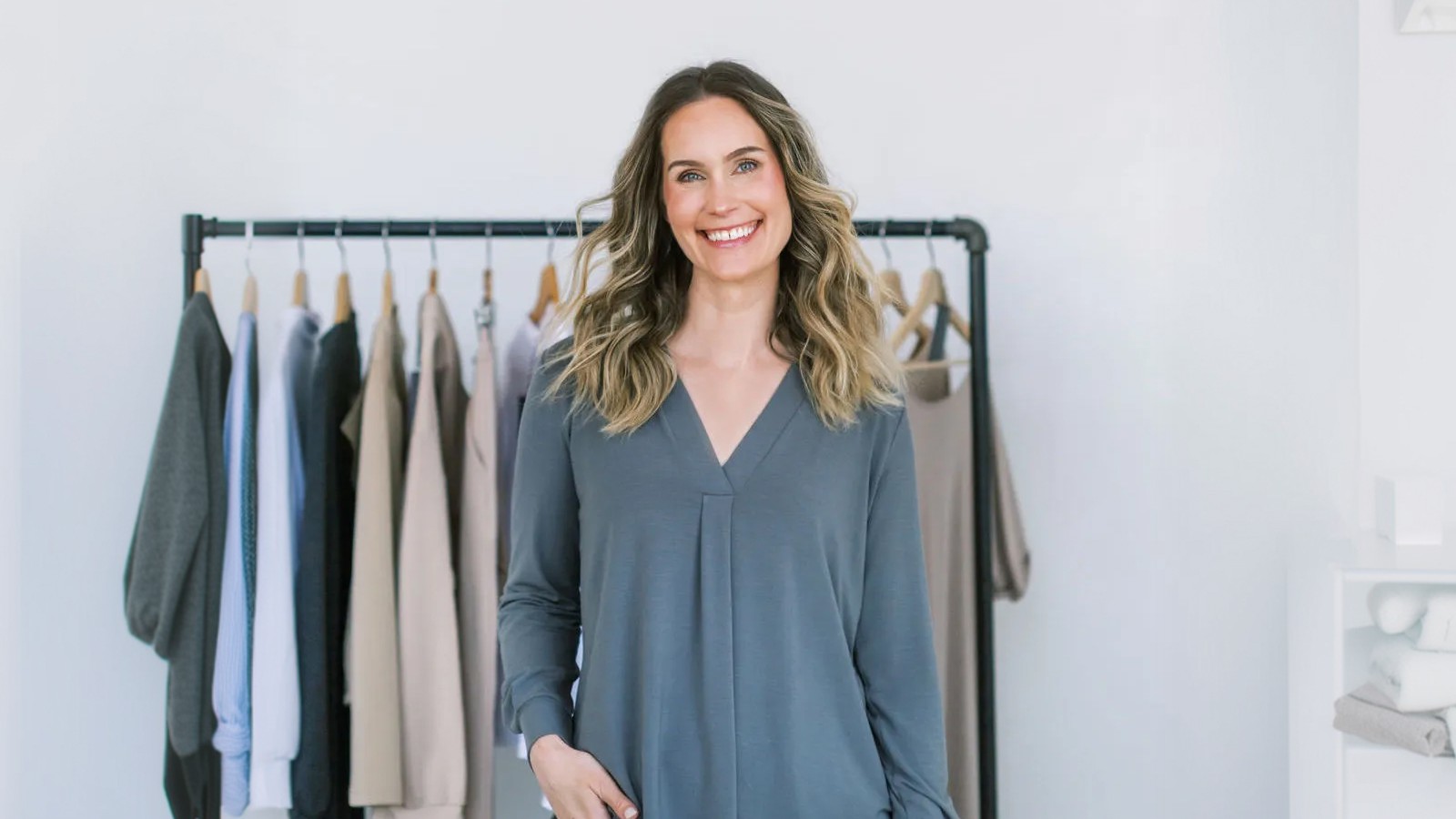
Meet the brand founder
Some businesses begin with a market gap.
Others begin with frustration.
Kristi Soomer’s began with a broken suitcase the night before a yoga retreat — and a simple question that would eventually redefine her career:
Why can’t one beautiful piece of clothing do more than one job?
What followed wasn’t a typical fashion startup story. It was nights spent sewing after 14-hour consulting days. It was learning fabric weights from scratch. It was pitching factories that didn’t want to touch the product. It was shipping orders between flights.
And it became a sustainable fashion brand built around versatility, intentional growth, and operational discipline.
The spark
At the time the idea struck, Kristi was living what many would consider a dream career.
She was working in strategy consulting — a demanding, high-performance role that required near-constant travel. Five days a week in airports. Living out of a suitcase. Packing and repacking.
Travel forced her to become efficient.
Minimal.
Intentional.
Then, on a rare break between clients, she booked a last-minute yoga retreat to Costa Rica.
The night before departure, her large suitcase broke.
She was forced to repack everything into a small carry-on.
Standing there, editing her wardrobe down piece by piece, she began questioning every item:
A cardigan for the plane.
A dress for dinner.
A cover-up.
A top.
Why couldn’t one piece do all of it?
That moment led to her first design: the Chrysalis Cardi — an 8-in-1, multi-way garment that transforms into a scarf, cardigan, dresses, a maxi skirt, and more.
It wasn’t just a clothing item. It was a solution to overpacking, overconsumption, and unnecessary complexity.
The hardest part: Getting started without a background
Kristi had no fashion background.
No production experience.
No textile knowledge.
No factory connections.
What she did have was determination.
While still employed full-time, she used evenings, weekends, and vacation days to build the brand.
She bought a sewing machine on Craigslist.
Took sewing and illustration courses.
Attempted her first sample — and immediately broke the needle.
Back to repairs.
Back to practice.
Back to iteration.
She sourced fabrics from local stores without realizing they came in different weights. She tested materials. Reworked designs. Created 10–15 samples. Asked friends to try them on. Adjusted functionality. Refined the snap system that allowed the garment to transform.
Sustainability was non-negotiable. She wanted eco-conscious materials and local production — which made an already difficult process even harder.
Most factories refused the project. The garment required hand-sewn snaps and intricate detailing.
Eventually, one local factory owner believed in the concept — in part because he thought his daughter would love it. That belief led to the first production run.
For the first two years, Kristi ran the business alongside her intense consulting career.
Orders were packed late at night.
Friends were paid in pizza to fulfill shipments.
Weekends were spent on pop-ups and PR outreach.
Sales were inconsistent at first.
It took a full year to see steady momentum — even if small.
Her earliest growth channel?
PR and travel bloggers.
She gifted product in exchange for exposure. It wasn’t scalable yet — but it planted seeds.
The first real win
For many founders, there’s a single defining moment when the business suddenly feels real. For Kristi, that moment arrived unexpectedly — and months after she thought the opportunity had passed.
In the early days of the brand, PR was her primary growth lever. Digital marketing in 2012 looked very different, and without deep experience in paid acquisition, PR felt like the most logical way to build awareness. She hired a small agency and secured a few features, but the results were inconsistent and expensive. Eventually, she had to step back for financial reasons.
Still believing in earned media, she later hired a freelancer to coordinate a small PR showcase. The outcome felt underwhelming. No immediate press. No traffic spike. No visible return. At the time, it felt like a sunk cost.
So she moved on.
She continued juggling her demanding consulting career while nurturing the brand in the margins — attending pop-ups, building her blog, gifting product to travel influencers, and slowly growing her email list.
Then, in December, while traveling for work in New York, something unusual happened.
Her phone started buzzing with order notifications — rapidly. One after another. At first, she assumed something was wrong. Fraud orders? A glitch in the system?
She logged into the backend to check. The purchases looked legitimate.
Then a message arrived from her mom:
“Have you seen The Globe & Mail?”
Her Chrysalis Cardi had been featured in a holiday gift guide in The Globe and Mail — Canada’s national newspaper.
The PR showcase she thought had produced nothing had quietly led to a major editorial placement months later.
Traffic surged. Orders poured in. The brand experienced its first true breakout day.
More importantly, it validated the idea at scale. This wasn’t just a clever design that friends liked. Strangers were buying it in volume. National press was endorsing it. Demand was real.
The experience also reshaped her understanding of growth.
Not every investment produces immediate feedback. Not every effort yields instant validation. Some seeds take months to surface — and if she had quit after that “failed” PR event, the opportunity might never have materialized.
That December surge didn’t just increase revenue. It increased conviction.
Within a year, she left her full-time consulting job to focus on the brand full time.
Looking back, that feature wasn’t just a spike in sales. It was the moment the business crossed from possibility into inevitability.
What Truly Drove Early Growth
Kristi launched in 2012 — a very different digital landscape.
While PR sparked awareness, the most sustainable growth lever became content marketing.
After taking B-School by Marie Forleo, she leaned heavily into:
Blogging about travel and packing light
Building an email list
Creating a lead magnet (a carry-on-only packing list)
Collaborating with bloggers
Leveraging Pinterest
Unlike PR, content compounds.
A blog post lives forever.
An email list grows.
Search builds momentum.
This strategy created brand depth — not just bursts of attention.
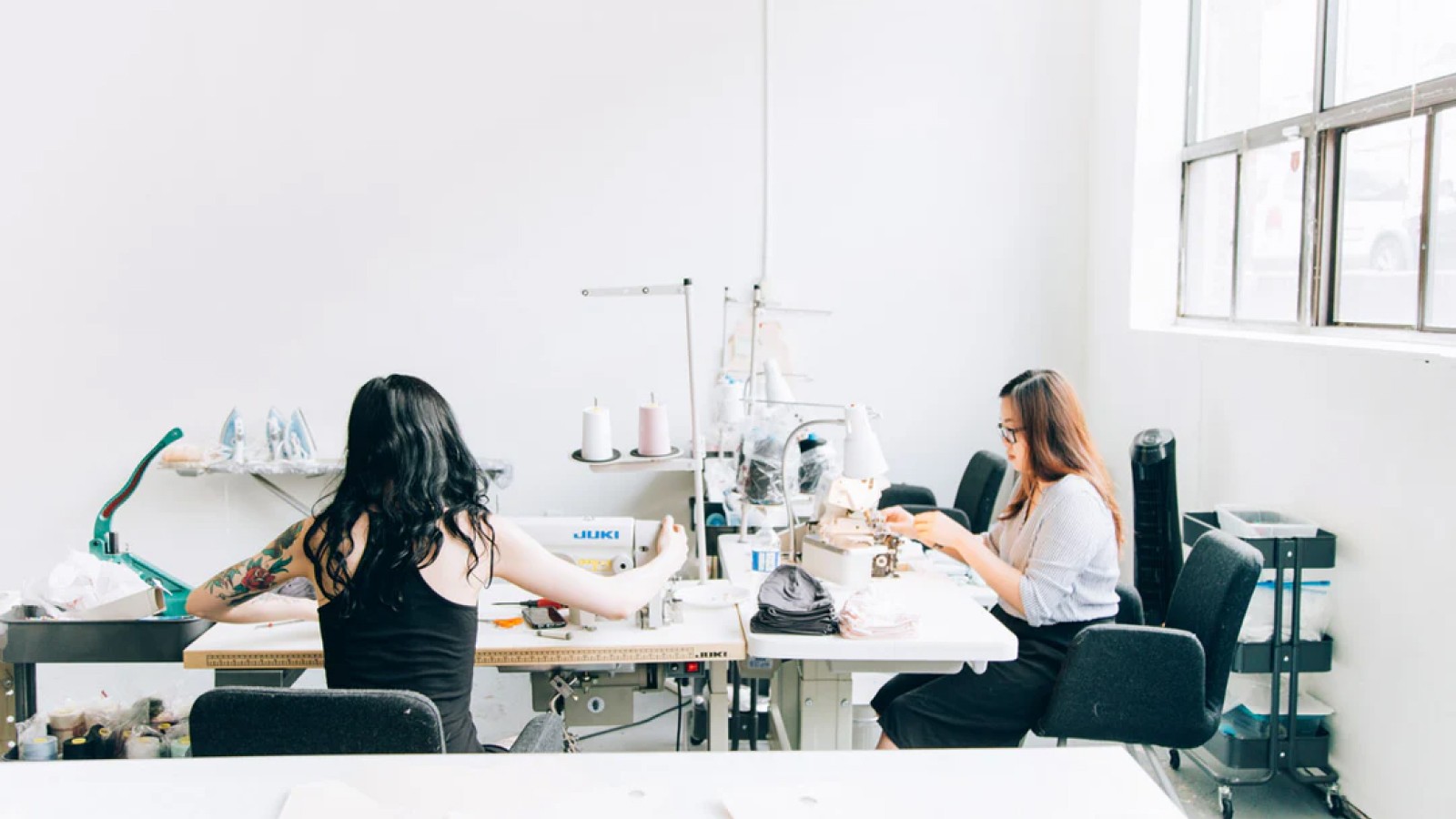
How the business runs today
Today, Kristi remains deeply involved — but differently.
She leads strategy, marketing direction, and product development. She oversees forecasting and finance. She sets the calendar and ensures cohesion across channels.
But she is no longer:
Packing orders
Handling daily customer service
Managing 3PL logistics
Running operations minute-to-minute
Her role has shifted from executor to orchestrator.
A Strategic Week
Her focus includes:
Building marketing calendars
Aligning production timelines with content launches
Directing paid ads strategy
Collaborating on creative
Overseeing email campaigns
Managing financial forecasting
She sits between marketing channels — ensuring cohesion — rather than executing each individually.
The shift from operator to strategist was necessary for scale.
Leveraging experts, agencies & apps
Over the years, Kristi experimented with every structure:
Heavy agency models
Fully in-house teams
Freelancer-led execution
Today, her model includes three full-time employees and a network of freelancers — no large agencies.
Why?
Flexibility and depth.
Freelancers who specialize in one skill are constantly evolving. They see patterns across multiple clients. They bring fresh insight without the overhead of a large firm.
The Most Impactful Expert
A freelance growth marketer was pivotal.
She deepened the brand’s use of Klaviyo — building flows, segmentation, retention systems, and SMS integration. She introduced stronger list-building tactics and lifecycle strategies.
Retention became intentional rather than reactive.
Core Tools Powering the Brand
Klaviyo — lifecycle marketing
Richpanel—customer service (after switching from Gorgias)
Fast Bundle — bundle building
Selleasy — upsells & AOV optimization
Basket building and average order value optimization are now central levers.
What Didn’t Work
Kristi no longer relies solely on reviews when hiring.
She asks to speak to:
A current client
A former client
The second conversation reveals more than the first.
She also insists on paid trials and avoids long-term contracts.
Fit matters more than price.
Big challenges
Revenue growth can hide structural weakness.
For Kristi, cash flow was the first major break point.
Despite growing revenue, the company wasn’t generating profit.
Why?
Poor cash flow forecasting.
A Shopify blog template changed that. She adapted it — and still uses a version today.
Inventory forecasting became another pain point. Rapid growth led to constant stockouts. Scaling paid ads exposed deeper operational cracks.
Fixing it required:
Better reporting
KPI tracking beyond revenue
Hiring specialists who understood manufacturing
Designing SOPs
Growth requires systems — not just demand.
Advice to brands on their way to 7–8 figures
Kristi’s advice is candid:
No one fully knows what they’re doing.
Ecommerce changes yearly. What worked last year may fail this year.
She recommends:
Continuous learning (podcasts, conferences)
Finding a mentor
Joining a founder community or mastermind
Support is non-negotiable.
She also reflects on hiring too slowly. While “hire slow, fire fast” is common advice, she believes she waited too long — staying buried in operations when she should have freed herself for higher-leverage work.
Cash flow clarity makes hiring easier. Confidence in numbers unlocks strategic delegation.
Another hard-earned lesson:
Trust your instincts.
During the pandemic boom, outside pressure pushed her toward faster growth, aggressive hiring, and expanded inventory. Her instincts warned against it — but she ignored them.
The correction was costly.
Slow, intentional growth aligned with her personality works better.
Finally:
Build something you love.
A business lives rent-free in your mind. Passion isn’t optional — it’s fuel.
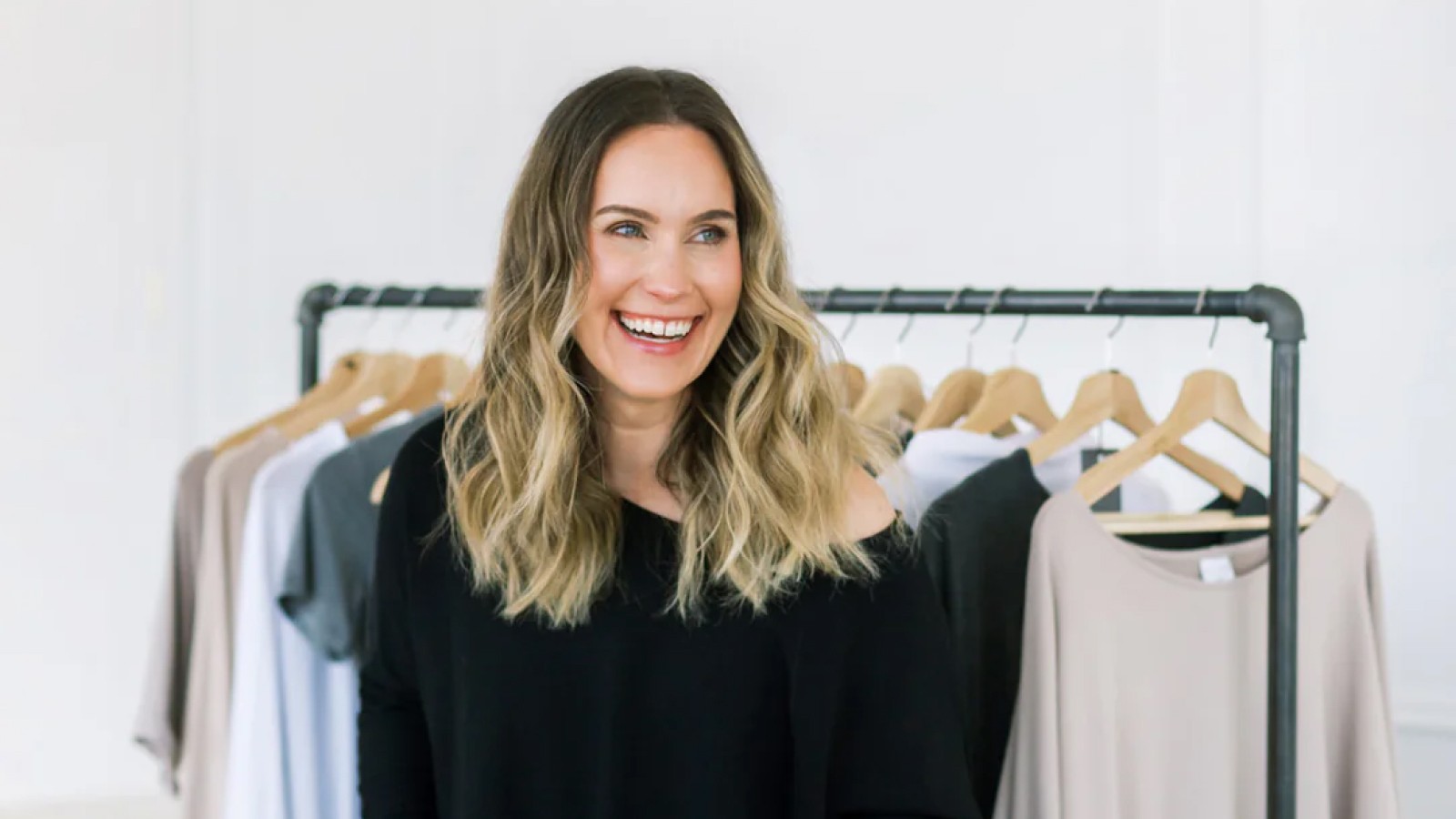
What’s next for the brand
Over the next 12–24 months, the focus is intentional refinement.
Creating curated sets and kits to increase AOV
Clarifying and strengthening the brand’s value proposition
Becoming more differentiated in a saturated ecommerce landscape
Exploring wholesale to bring products into physical retail
Seeing, touching, and trying on the garments in person is transformative for customers. Wholesale represents both brand exposure and experiential growth.
The mission remains consistent: versatile, sustainable clothing designed for intentional living.
What began with a broken suitcase became a brand built on freedom — freedom to pack lighter, buy less, and live more intentionally.
And for Kristi Soomer, that clarity continues to guide every next decision.
Meet the experts behind brands like this
Scaling a Shopify brand takes more than a good idea – it takes the right people, systems, and partners at the right stage. Meet the experts who support brands like this on shopexperts.com