
Shopify Case Study: How a Gourmet Brand Scaled to 7 Figures
This Shopify case study explores how a premium gourmet brand reached 7 figures through disciplined operations, strong storytelling, and in-house execution. Learn how a side project grew into a nationally recognized ecommerce business.

Industry
Location



Meet the brand founder
Lea Richards didn’t start her business because she had a master plan.
She started because she was deeply unfulfilled.
Working long hours in finance, she felt disconnected from her work and unsure what the next chapter should look like. There was no grand entrepreneurial vision – just a growing awareness that something had to change.
The spark came from something simple.
For Father’s Day, Lea ordered BBQ from a well-known spot in Memphis for her dad, a lifelong rib enthusiast. When it arrived, it was underwhelming. Her dad casually remarked that someone should be able to do it better.
Lea loved food. She loved cooking. And in that moment, she thought: How hard can it be?
What began as a personal experiment soon became a bootstrapped, chef-driven gourmet brand that now serves customers nationwide – built on premium quality, gifting, subscriptions, and an exceptional customer experience.
The first real win
In the early months, Lea was a one-woman operation.
She cooked in the early mornings. Packed and shipped during the day. Answered customer service emails at dinner. Built marketing campaigns late at night. It was intense – but deeply energizing.
Then something extraordinary happened.
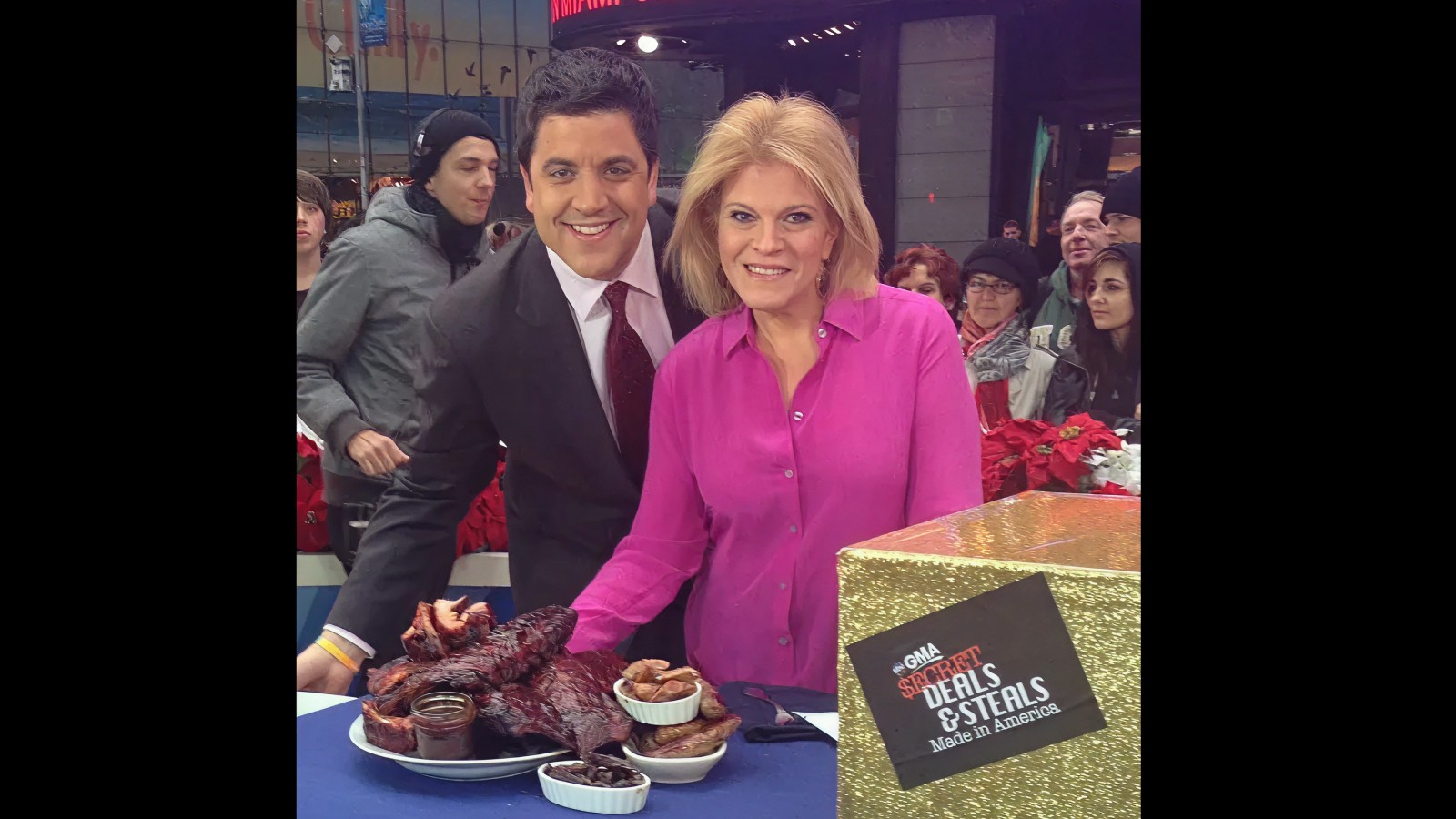
About six months into the business, chef Michael Symon tried her ribs and called her with a last-minute opportunity: a holiday gift segment on Good Morning America, alongside Emeril Lagasse.
Overnight, everything changed.
Orders flooded in. Freezers were rented and lined down hallways. A small team was hired rapidly. Production scaled beyond anything she had experienced, including one memorable kitchen fire during the chaos.
It was overwhelming, yes. But it was also the moment she realized this was bigger than a side project.
That appearance snowballed into further national exposure – features on The Chew, Rachel Ray, and other platforms. With each opportunity came waves of new customers.
Crucially, Lea didn’t waste that traffic. She captured emails early, offering lead magnets and building a list long before paid ads became necessary. That decision would shape the company’s long-term growth engine.
How the business runs today
Lea has had her hands in every part of the company, often longer than necessary, but that immersion gave her a deep understanding of what each role truly requires.
Today, her focus is strategy.
She oversees product direction, marketing channels, partnerships, and corporate sales. She manages the teams running email, SMS, paid media, and social – reviewing creative, budgets, and performance regularly.
A typical week includes:
Managing email and SMS campaigns
Reviewing paid ad performance and creative
Filming and overseeing social content
Building partnerships and corporate sales relationships
Providing feedback on new flavors and product development
Operations, fulfillment, and most customer service are now handled by her team. However, if a customer is deeply upset or something unusual arises, Lea still steps in personally. That commitment to experience remains part of the brand’s DNA.
Her favorite part? Product development. While it’s no longer her day-to-day, she still finds joy in shaping new flavors and chef-driven concepts.
Leveraging experts, agencies & apps
Around year three, Lea recognized that willpower alone wouldn’t scale the business further.
Her philosophy has always been consistent: learn a channel in-house first, understand it deeply, then bring in outside help with at least 3-6 months of internal experience.
That approach shaped her hiring strategy.
Rather than large agencies, she found far greater success with experienced freelancers who:
Understood food and gifting
Took time to learn the brand voice
Brought focused expertise without bureaucracy
Email marketing, paid media, and corporate sales support have had the biggest impact. External specialists provided focus and cross-industry insights that would have been difficult to generate internally.
Key tools supporting the business today include:
Omnisend for email
Postscript for SMS
Judge.me for reviews
Triple Whale for analytics
Birds Eye for direct mail
Mai for AI-powered Google Ads
Agencies, however, were rarely a fit. Lea found that large firms often overpromised early and then deprioritized smaller brands once contracts were signed. Moving toward trusted individual specialists created better accountability and alignment.
Big challenges
Scaling a premium, perishable product nationally presents a unique set of operational pressures.
As order volume increased, especially during peak holiday seasons, cold-chain shipping reliability became the first major stress point. Packaging systems, insulation strategies, and carrier performance were tested early.
Rather than treat it as a recurring frustration, Lea invested heavily in solving it.
She refined packaging systems, improved refrigerant and insulation strategies, strengthened carrier relationships, and implemented more rigorous fulfillment SOPs. What began as a bottleneck eventually evolved into a competitive advantage built on deep cold-chain expertise.
Inventory planning and cash flow were equally demanding. Subscription growth required purchasing raw materials well in advance, tying up working capital. Lea responded by improving forecasting, negotiating supplier terms, and aligning production more tightly with subscription cycles.
Marketing attribution added another layer of complexity. As the brand expanded across email, SMS, paid media, and partnerships, true acquisition cost and ROI became harder to measure. Centralizing analytics and focusing on channels with strong lifetime value – rather than short-term spikes – created more sustainable growth.
Each phase of stress ultimately strengthened the company’s foundation.
Advice to brands on their way to 7–8 figures
Lea’s advice is disciplined and practical.
Protect your margins and cash flow above all else. Growth is powerful – but profitable growth is freedom. By scaling sustainably, she retained control of the company and avoided external investors dictating direction.
She also emphasizes hiring help earlier – but managing it closely.
Launch one channel properly before spreading across four. Focus compounds.
When working with experts or agencies, Lea believes the biggest mistake is outsourcing responsibility instead of execution.
No agency replaces internal clarity. Experts amplify strong strategy – they do not create it.
Clear KPIs, shared accountability, structured testing cycles, and consistent involvement from the founder made all the difference in her results.
What’s next for the brand
The next 12–24 months are about expansion – but with intention.
From a product perspective, the focus is on additional premium, chef-driven offerings and limited-edition releases aligned with gifting and discovery. Retail, wholesale partnerships, and strategic collaborations are being explored carefully to maintain brand positioning.
Internally, the emphasis is on structure.
Strengthening leadership development, refining SOPs, improving automation, and reducing founder dependency will create a more scalable operating model.
This next phase isn’t about chasing growth at any cost.
It’s about building an operational and strategic foundation strong enough to support long-term expansion – while continuing to deliver a premium, memorable customer experience.
Meet the experts behind brands like this
Scaling a Shopify brand takes more than a good idea – it takes the right people, systems, and partners at the right stage. Meet the experts who support brands like this on shopexperts.com