
Shopify Case Study: How BOXROPE Scaled to $150K/Month
This Shopify case study explores how a boxing brand grew to $150K/month through product differentiation, influencer seeding, and strong branding. Learn how Lorenz Wüest built a focused ecommerce business from a simple idea.

Industry
Location


Meet the brand founder
Lorenz Wüest had been boxing since he was 18. Every session started the same way: jump rope. But nothing felt right.
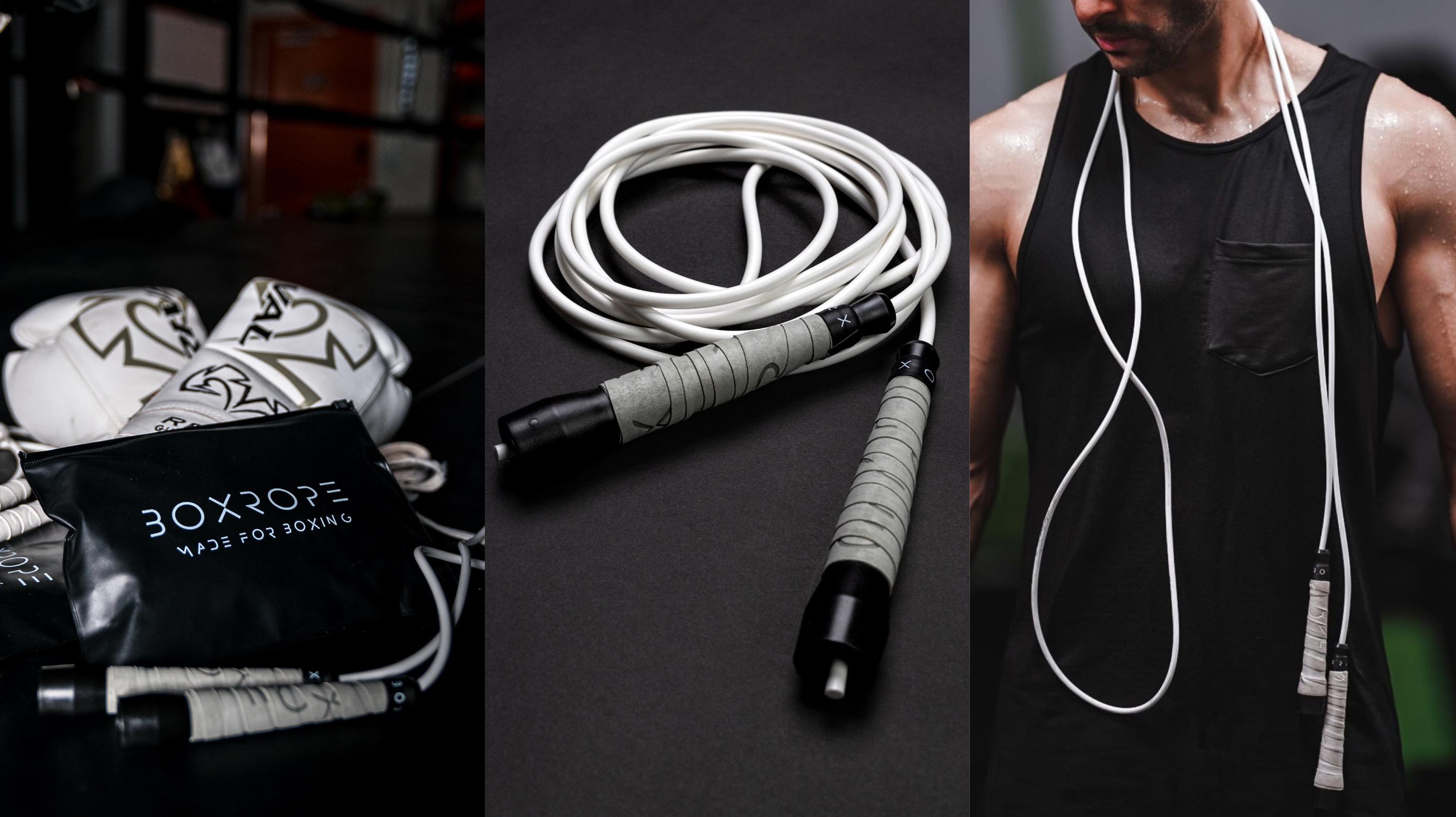
The ropes at the gym lacked identity. Online options were no better. Everything felt generic. No brand stood out. No product felt built for the sport.
That gap became obvious.
“If boxing is built on discipline and intensity, the equipment should reflect that.”
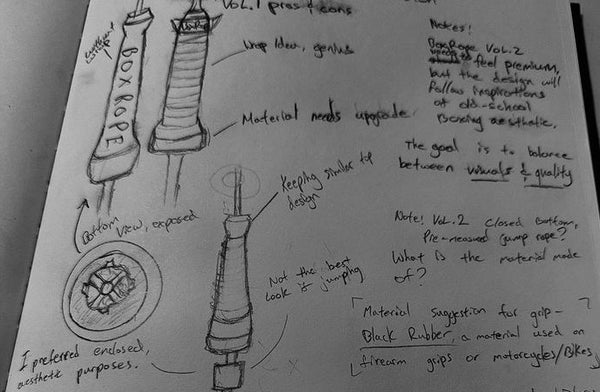
That question turned into BOXROPE®. The moment the idea clicked, Lorenz brought it to his best friend.
They had been hustling for years – selling T-shirts, testing ideas, always chasing the next opportunity. Starting something of their own felt natural.
There was just one problem. They had no money. So they went to their families and raised $40K combined. That became the starting point.
Days were spent working full-time jobs. Nights were spent building the brand. Most days ended at 1 a.m. Then the cycle repeated.
The first real win
By month four, BOXROPE hit $10K in monthly revenue. That was the shift. It wasn’t just a good week or a lucky break. It was consistent demand.
That’s when it became real. They didn’t rely on ads. They built distribution manually. Every day, they reached out to five small influencers in the boxing niche. No big names. Just real people inside the community.
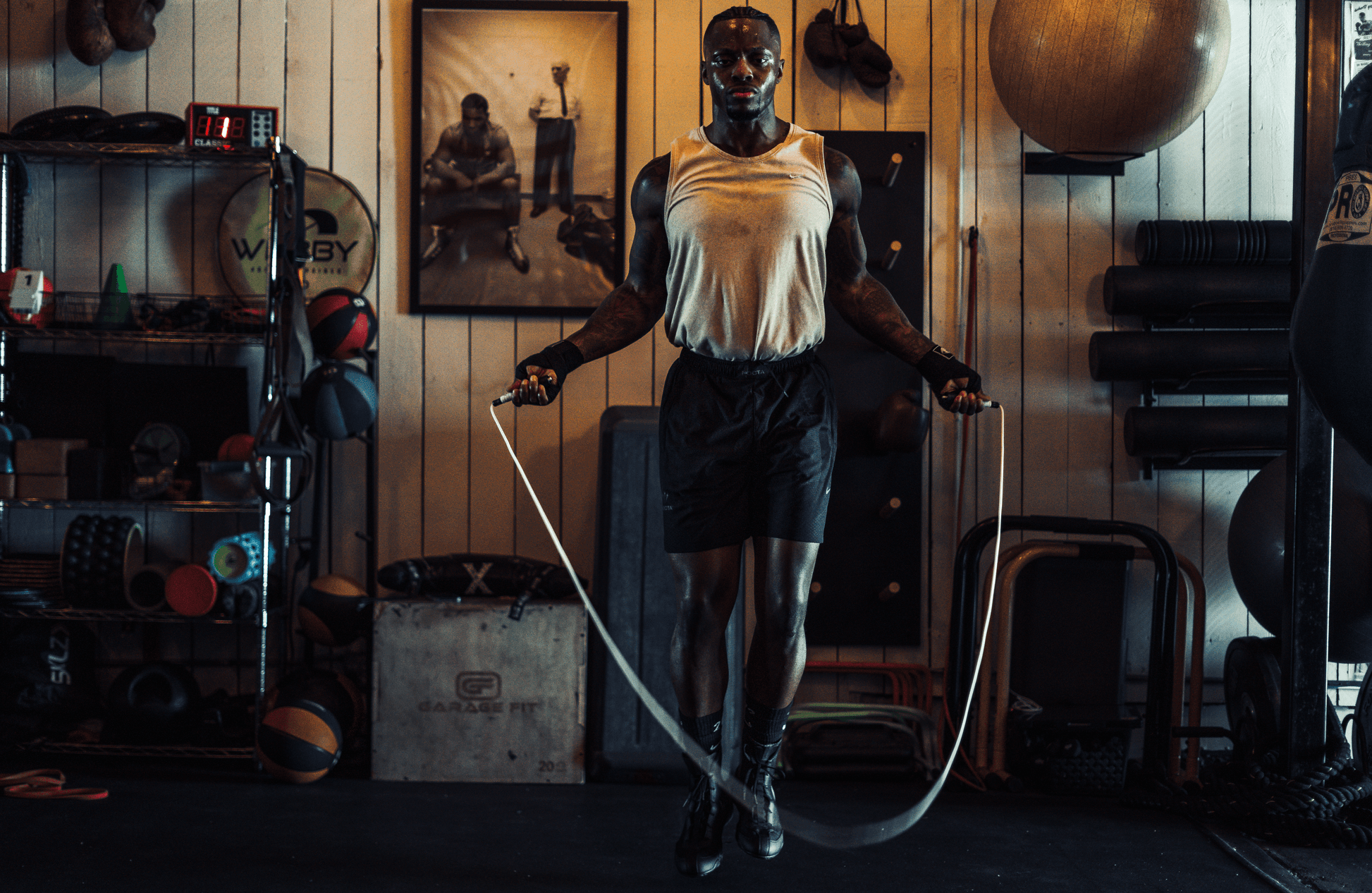
Each one received a free rope. They brought it to the gym. Used it in training. Shared it naturally. That created something ads couldn’t replicate – trust.
“That kind of word of mouth is hard to replicate.”
Growth came from proximity, not scale.
How the business runs today
Today, BOXROPE generates around $150K per month.
Lorenz focuses on two areas: marketing and product development.
His schedule is structured.
Mornings are reserved for creative work. No calls. No distractions. Just thinking about new campaigns, new stories, and new products.
Afternoons are operational. Calls, admin, and execution.
The shift is clear. Less chaos. More control.
Leveraging experts, agencies & apps
From early on, Lorenz understood his limitations. Product design wasn’t his strength. So he brought in a specialist. That decision stuck. The same designer still supports the brand today.
Strong partners shaped key parts of the business:
Creative agencies improved visual identity
Email specialists built retention systems
Product designers elevated quality
The tech stack supports execution:
Not everything worked. Ad agencies failed repeatedly.
The reason was simple.
“They didn’t understand the sport.”
Generic strategies didn’t translate to a niche driven by emotion and identity.
Big challenges
Growth created pressure. Inventory became the biggest constraint.
“We were selling out every couple of months.”
The business was bootstrapped. Cash from sales funded the next order. But production took 2–3 months. That gap created constant tension.
“You need the money to order, but you need inventory to make the money.”
The solution wasn’t a shortcut. It was better planning.
Advice to brands on their way to 7–8 figures
The lessons are direct.
“Don’t go cheap on talent.”
The best people cost more – but deliver more.
“I’d rather pay for expertise than fix mediocre work.”
Understanding the customer is everything.
“If you don’t trigger emotion, you won’t convert.”
And control matters.
“Learn the basics before you outsource.”
What’s next for the brand
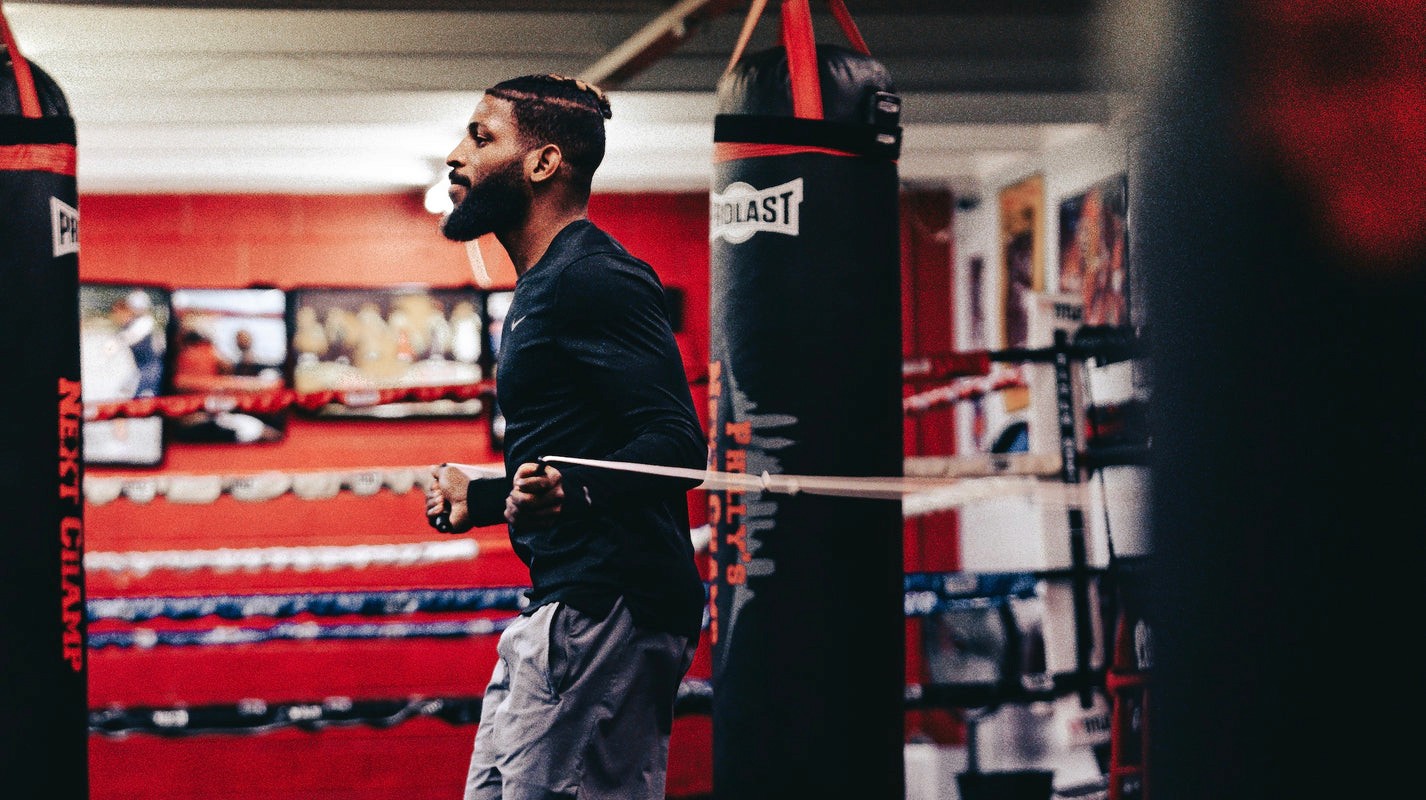
The next phase is expansion. The focus is international growth and product line expansion.
Two new products are already in development. The ambition is clear.
“We’re building more than just one product.”
Meet the experts behind brands like this
Scaling a Shopify brand takes more than a good idea – it takes the right people, systems, and partners at the right stage. Meet the experts who support brands like this on shopexperts.com