
Shopify Case Study: How a DTC Food Brand Scaled to 7 Figures
This Shopify case study explores how a DTC food brand grew to 7 figures using performance marketing, strong partnerships, and disciplined operations. Learn how Mark Collis scaled in a competitive category through structured growth.

Industry
Location



Meet the brand founder
The idea didn’t begin with a revolutionary invention.
It began with dissatisfaction.
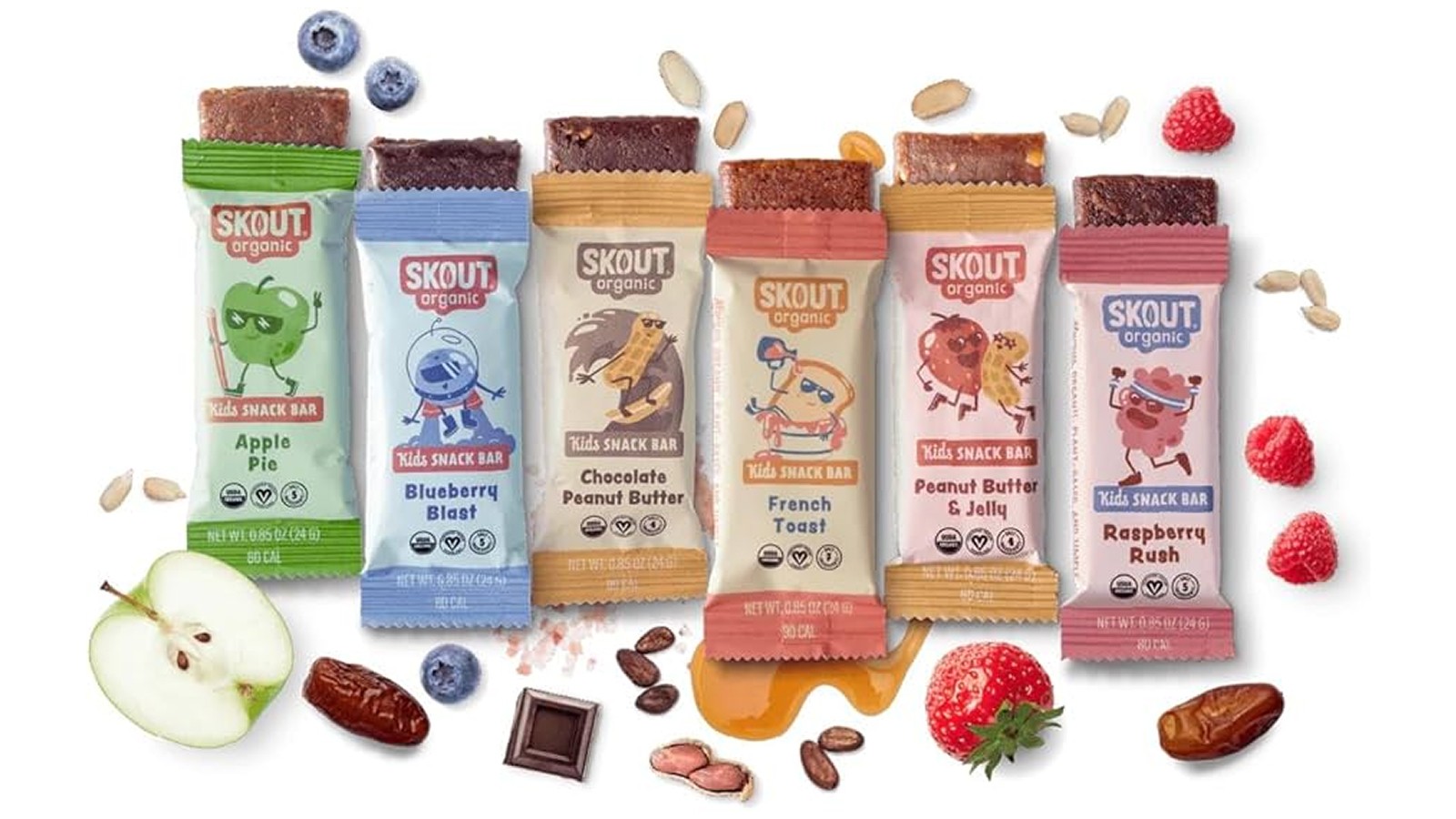
When Mark looked at the kids snacking category, he noticed a pattern: most products marketed as “better-for-you” were, in his view, little more than glorified candy bars. Bright packaging. Health claims. Processed ingredients.
He believed parents deserved better — and kids could eat real food that wasn’t disguised sugar.
That conviction became the foundation of the brand.
The Early Phase: Testing Without Traction
The company’s first steps were not explosive.
In fact, the initial product launched at retail was entirely different from the product that would later define the brand’s DTC success. Early direct-to-consumer efforts moved slowly. Traction was inconsistent. Growth was uncertain.
Like many founders, Mark was operating without clear validation that the model would work.
Then came April 2020.
An affiliate shared the brand with their audience.
The reaction was immediate.
Orders surged. Engagement spiked. Demand was unmistakable.
That day wasn’t just a sales bump — it was signal clarity. The kids-focused product line resonated deeply online, and the DTC channel suddenly showed real scalability.
That’s when the team made a decision: double down.
They hit the gas — and DTC would eventually become their largest revenue channel.
The first real win
For Mark, growth wasn’t defined by a single breakthrough moment.
Instead, it was cumulative.
A new retail partner.
A record-setting website day.
A campaign outperforming expectations.
He describes growth as a sequence of “little wins and big wins” — both equally important.
That mindset matters. In high-growth environments, founders who wait for one defining milestone often miss the momentum building beneath them.
What Actually Drove Early Growth
While the affiliate moment provided ignition, sustained growth required structure.
Two levers proved critical:
1. Influencer & Affiliate Marketing
Performance-based creator partnerships became a consistent growth engine. Rather than betting everything on paid ads alone, the brand leaned into trusted voices with engaged audiences.
2. A Website Built to Convert
Traffic without conversion is expensive noise. From early on, the team focused on building a high-converting ecommerce experience — and more importantly, never considered it finished.
Optimization became daily work.
Landing pages were rebuilt.
Messaging was refined.
Funnels were tested.
Offers evolved.
That philosophy still governs the business today: nothing is ever “done.”
How the business runs today
Today, Mark serves as CEO, leading a team of eight full-time and five part-time team members.
His role has shifted from scrappy operator to structured leader — but he remains deeply embedded in sales and marketing.
The difference now is leverage.
With stronger internal support, he can focus on higher-level growth decisions while still staying close to execution.
A Typical Week Isn’t Linear
A normal week might include:
Sales meetings with retail partners
Marketing campaign planning
Writing or approving SMS campaigns
Reviewing or building landing pages
Board discussions
Occasionally stepping into fulfillment
This range reflects something important about scaling consumer brands: leadership isn’t about distance from execution. It’s about knowing when to zoom in and when to zoom out.
Leveraging experts, agencies & apps
Unlike many founders who wait until they feel overwhelmed, Mark brought in external partners early.
His reasoning was simple:
Strong operators surround themselves with strong partners.
But that comes with risk.
Over time, the company worked with both exceptional and underperforming agencies. The difference was rarely technical ability — it was alignment and accountability.
The Agency Philosophy: Challenge, Don’t Just Execute
Mark emphasizes a critical point many founders learn too late:
If you’re paying an agency and still directing every move, you’re not getting real value.
The best partners challenge assumptions. They bring outside perspective. They push strategy forward instead of waiting for instructions.
And if the fit isn’t right?
Fire fast.
Holding onto the wrong partner drains momentum and capital.
Where Agencies Had the Greatest Impact
External experts played major roles across:
Amazon advertising
Google & Meta paid acquisition
Creative production
Email design
These partnerships allowed internal leadership to focus on broader growth initiatives rather than channel-level micromanagement.
Core Tools Powering the Business
The operational stack behind the scenes includes:
Skio — subscriptions & loyalty programs
Gorgias — customer service management
ShipStation — fulfillment coordination
Triple Whale — attribution & performance analytics
Okendo — product reviews & social proof
Klaviyo — lifecycle email marketing
Postscript — SMS campaigns
Each tool serves a defined role in revenue, retention, or operational clarity.
But Mark cautions: software alone doesn’t create growth. Strategic oversight does.

Big challenges
When asked about the hardest part of scaling, Mark doesn’t hesitate.
Cash.
Direct-to-consumer growth is capital intensive:
Inventory must be purchased in advance.
Ads must be funded before revenue returns.
Creative must constantly evolve.
Teams must be paid.
Revenue can grow quickly — but if margin discipline and cash flow management lag behind, growth becomes fragile.
He also points to another difficult lesson: keeping employees or agencies longer than necessary.
Every founder wants to be loyal. But loyalty without performance can stall a company.
Scaling requires decisive action.
Advice to brands on their way to 7–8 figures
Mark’s guidance to founders entering the 7–8 figure range is grounded and pragmatic.
Grow responsibly.
Revenue headlines are meaningless without understanding contribution margin and true cost of acquisition.
He emphasizes three principles:
Hire fast when needed — but fire fast when it’s not working.
Don’t outpace your operational infrastructure.
Understand the real cost of every dollar of revenue.
And perhaps most importantly:
The cheapest partner is rarely the best partner.
An extra $1,000 per month for the right agency can generate exponentially more return than saving money with the wrong one.
Price and value are not the same thing.
What’s next for the brand
Looking ahead 12 to 24 months, the roadmap is deliberate.
Continue growing DTC responsibly
Navigate the evolving creator marketing landscape
Expand beyond pure DTC dependence
Strengthen brand equity to move toward household recognition
The goal isn’t hypergrowth at any cost.
It’s sustainable scale.
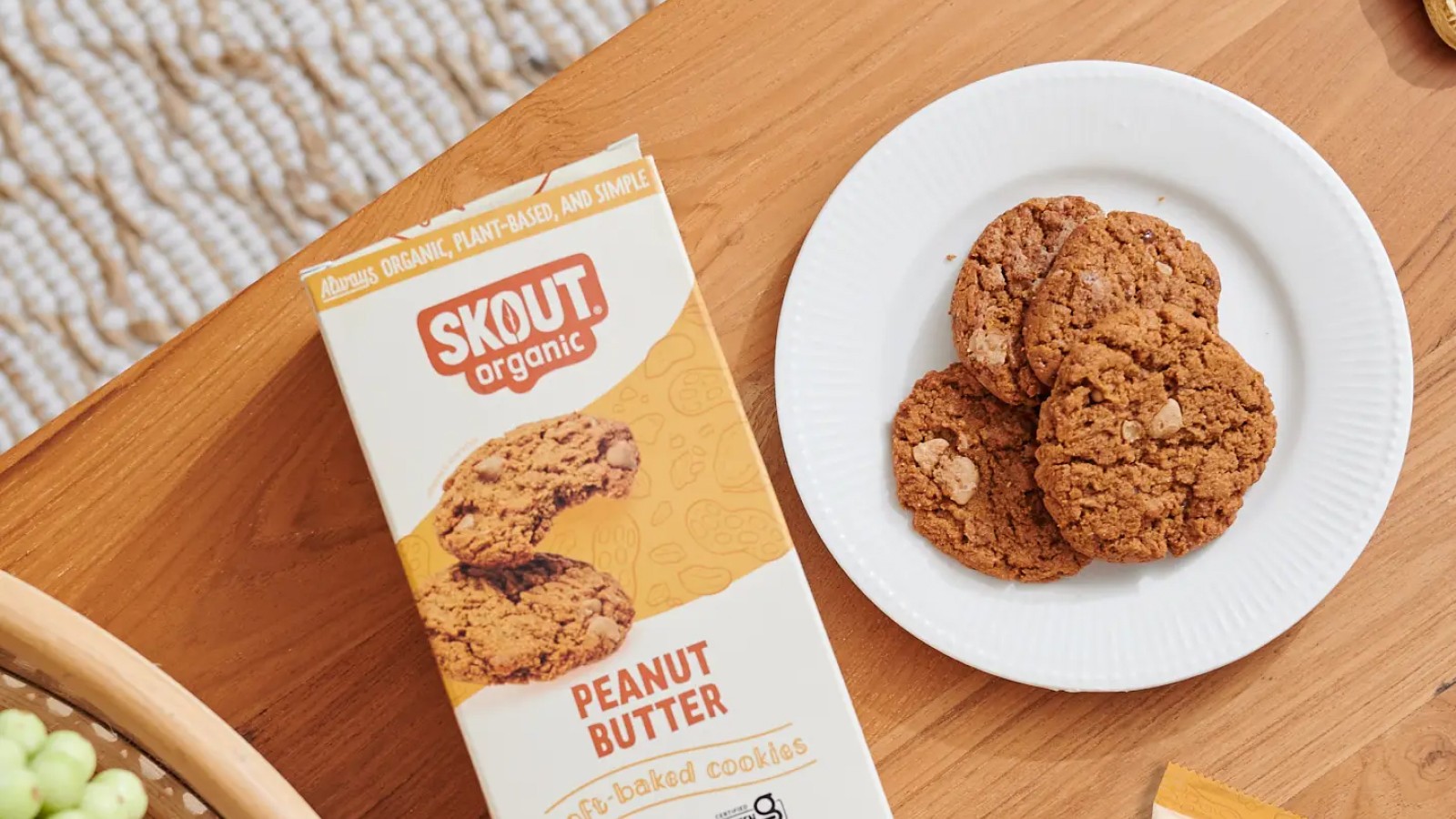
What started as dissatisfaction with processed kids snacks has evolved into a disciplined, multi-channel consumer brand powered by real food, structured partnerships, and operational clarity.
And if there’s a consistent theme throughout Mark Collis’ journey, it’s this:
Growth isn’t accidental.
It’s built — one optimized page, one disciplined decision, one strategic partnership at a time.
Meet the experts behind brands like this
Scaling a Shopify brand takes more than a good idea – it takes the right people, systems, and partners at the right stage. Meet the experts who support brands like this on shopexperts.com