
Shopify Case Study: How Rise Scaled to $500K/Month Selling Sustainable Home Products Nobody Else Stocks
Shopify Case Study: How Rise Scaled to $500K/Month Selling Sustainable Home Products Nobody Else Stocks
Rise is a Canadian Shopify Plus brand selling hard-to-find sustainable home products – heat pumps, ERVs, wood stoves – to homeowners who are ready to buy. Founded by Matt Daigle after a frustrating personal renovation, Rise pivoted from media to e-commerce in 2021, hit $1.25M in year one, and now runs $200K–$500K/month on a team of three.

Industry
Location


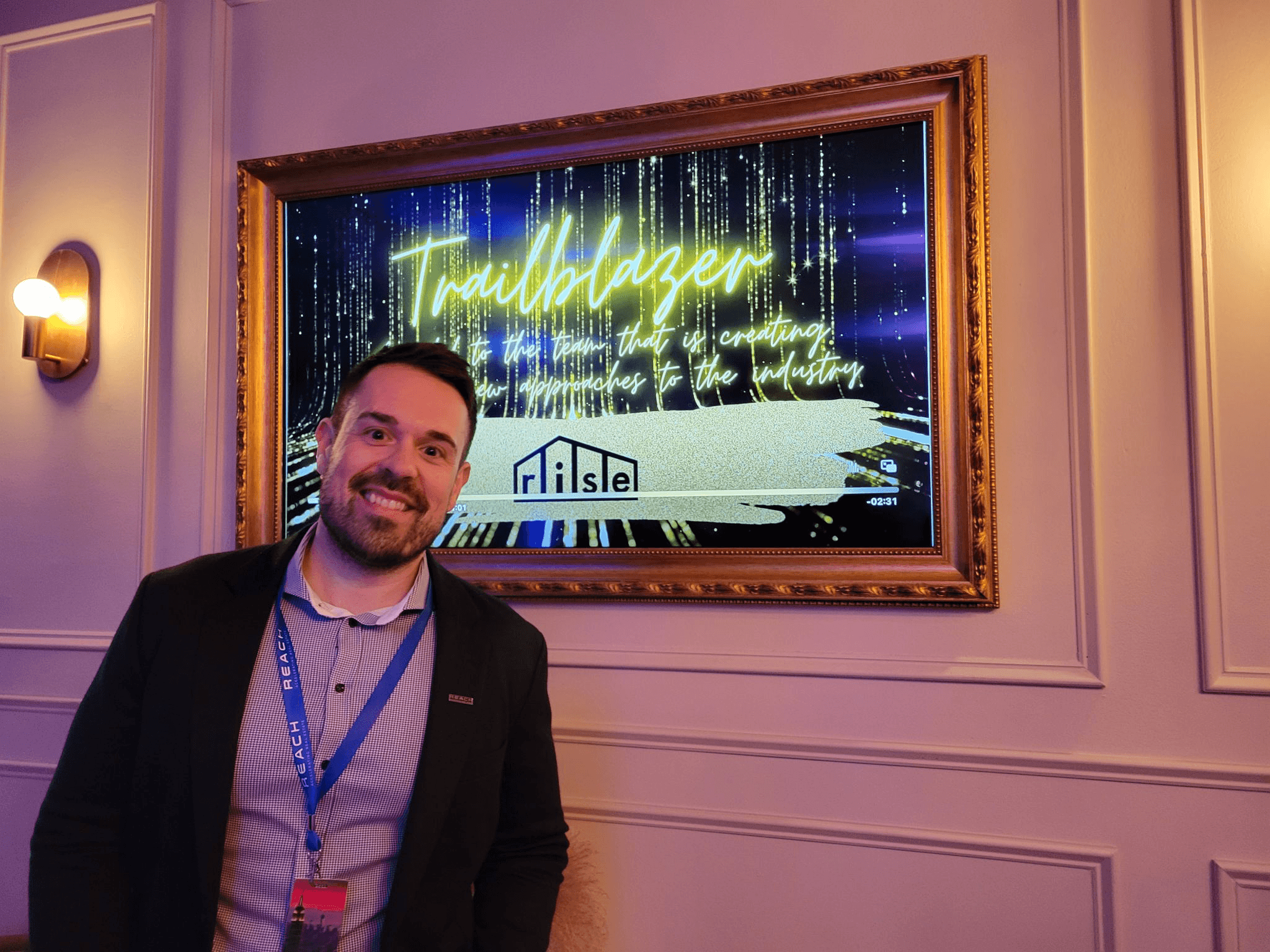
Meet the brand founder
Matt Daigle bought a fixer-upper just as his daughter Audrey was about to arrive.
He poured money into renovations – energy upgrades, healthy materials, the works – expecting lower bills and a better home for his growing family. The savings barely showed up. The process was confusing, the information was scattered, and the products he actually needed were nearly impossible to find in one place.
If it was this hard for him, with the time and motivation to figure it out, what chance did the average homeowner have?
That question became Rise. Not a store, at first – a mission. To make sustainable, healthy home improvement simple and actually accessible for families who wanted to do the right thing but had no clear path to get there.
The early version of Rise wasn't an e-commerce company at all. From 2017, Matt built a media and SaaS platform: editorial content to educate homeowners, software tools to help them plan sustainable renovations. The strategy made sense. The economics didn't. Sales cycles were long. Subscriptions didn't scale. Monetization never matched the ambition.
Four years of grinding on a model that wasn't working. Then, in 2021, the pivot.
The first real win
Rise stopped talking about sustainable products and started selling them.
The pivot to e-commerce in 2021 could have meant starting from scratch. It didn't. Four years of media had built something more valuable than revenue: an audience that already trusted the brand. When Rise opened a store, it wasn't cold traffic discovering a new company – it was people who had been reading the content, using the tools, and waiting for somewhere to actually buy.
The product selection reinforced that trust. Rise focused deliberately on high-intent, hard-to-find categories: ERVs, heat pumps, wood stoves. Products with average order values between $500 and $2,500. Products people were already searching for with purchase intent, not just curiosity. Products the average retailer didn't stock or understand.
Then there was the mission itself – and the B Corp certification that made it credible.
"It wasn't one silver bullet. It was credibility + demand capture + a clear mission. That combination got us to $1.25M in year one."
What year one proved wasn't just that the pivot worked. It proved a durable model: an audience built on education, pointed at a purchasing decision, converts at a completely different rate than cold traffic. The media years weren't wasted. They were the foundation.
How the business runs today
Rise now does between $200,000 and $500,000 per month – on a team of three people.
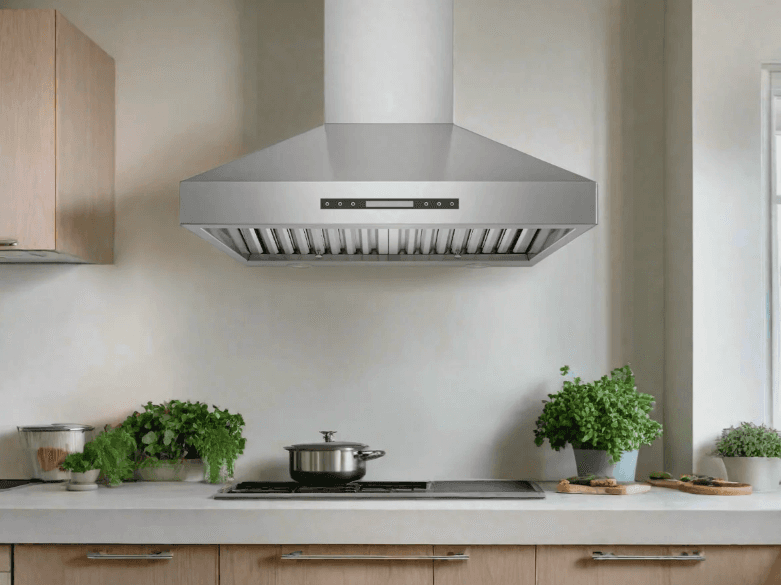
That ratio is intentional. The drop-ship model means Rise doesn't hold inventory, which keeps the operational footprint lean. More than 500 products are available on the store. Orders average $500 to $2,500. The business serves both DTC customers and B2B buyers – contractors, developers, builders who need the same hard-to-find products at volume.
Matt's role has shifted almost completely away from execution. In the early years he was writing content, shaping product vision, pitching investors, handling sales calls, and rebuilding strategy every few months. Today he describes his week as part operator, part storyteller, part fundraiser, part firefighter. Mornings reviewing ads and performance metrics. Team check-ins on revenue, marketing, and operations. Investor conversations. Partnership development. High-margin product strategy.
The throughline, as he puts it: keep sales growing, extend runway, and build toward the bigger vision without losing the mission.
The founding question – why is this so hard for homeowners? - still drives every decision about what to stock, how to position it, and who to serve.
Leveraging experts, agencies & apps
Rise brought in outside agencies when growth stalled relative to ambition – and internal resources were too stretched to build the marketing engine the business needed.
Performance marketing, creative, and conversion optimization require sustained specialist depth. With a team of three, that depth wasn't available internally. Outside partners gave Rise speed and expertise at a critical growth stage, specifically in email marketing, paid media, and ad creative – the channels that moved revenue most directly.
The tools holding the operation together:
Shopify Plus – core commerce infrastructure; handles the volume and flexibility a 500+ SKU, multi-channel business requires
Reamaze – customer support, critical for handling complex product questions on high-consideration purchases
Boost – product filtering and search, essential for navigating a catalog this size
Email and paid media agencies – external partners handling acquisition and retention at the channel level
What didn't work was handing off too much and expecting expertise to fix structural problems.
"You can't outsource clarity. If the economics, offer, and internal alignment aren't solid, experts just amplify noise faster."
Agencies optimized ads while margins were still weak and positioning wasn't sharp. Some reported on ROAS while contribution profit told a different story. The lesson Rise took from this: agencies are accelerators, not architects. They work best when the strategy is already clear and the economics are already clean.
Big challenges
Three challenges hit Rise hard as it scaled: cash flow, attribution, and operational complexity from drop-shipping.
Cash flow broke first. Growth eats cash before it feeds you – ad spend goes out immediately, suppliers need paying, and margins aren't always clean on a high-SKU drop-ship model. Rise stabilized by tightening SKU focus, cutting low-performing vendors, and shifting attention from top-line revenue to contribution profit by product and channel.
Attribution was the quieter problem. Paid media looked profitable on platform dashboards until blended customer acquisition cost told a different story. The fix was simplification: look at total channel performance instead of individual platform reports, and make decisions off real cash outcomes rather than ROAS screenshots.
Operations crept up as order volume grew. More orders meant more supplier coordination, more edge cases in fulfillment, more complexity in customer service for products that require technical knowledge to buy correctly. Standardized processes and a narrower product focus reduced the chaos without reducing revenue.
Advice to brands on their way to 7–8 figures
Matt's advice comes from building a brand through a failed model, a major pivot, a fast first year, and the slow, grinding work of making the economics actually work at scale. He has been brutally honest about his own mistakes – waiting too long to focus on margins, outsourcing before strategy was clear, hiring for relief instead of leverage.
The advice he gives now is the advice he wishes he had taken earlier.
Get honest about economics early. Obsess over contribution margin by SKU and by channel before the numbers get big enough to hide weak foundations. Revenue growth masks problems until it doesn't.
Make the focus decisions sooner. Too many SKUs, too much complexity, trying to serve everyone – Rise carried all of it longer than it should have. Narrowing to high-margin, high-demand categories should have happened a year earlier.
Don't outsource strategy. Agencies and tools can accelerate a clear strategy. They can't create one. The clarity has to come from the founder first. Every time.
Hire for leverage, not relief. Hiring to reduce stress is tempting. The better question is: does this hire unlock revenue or operational scale? Mis-hires at this stage are expensive and kill momentum.
Treat partners as force multipliers, not saviors. The results from agencies got materially better once Rise owned the strategy, tightened the economics, and gave partners a clear game to optimize – rather than asking them to figure it out.

What’s next for the brand
The next phase for Rise is discipline and leverage – in equal measure.
Matt is doubling down on high-margin categories and expanding Rise's own branded product line, reducing dependence on third-party suppliers for the SKUs that drive the most profit. Distribution is tightening too: warehousing is on the roadmap, which would unlock better economics on key products and open the door to cross-border growth beyond Canada.
The brand narrative is getting more deliberate attention. Earlier, Rise leaned heavily on performance marketing while underplaying the sustainability mission that made it different. The next stage is building that story at scale – strengthening trust, reducing dependence on paid channels, and making Rise the brand homeowners think of first when they're ready to make a real change to their home.
Internally, the focus is on systems: cleaner contribution tracking, sharper reporting, and fewer but more decisive bets on the highest-leverage opportunities.
The founding frustration – a homeowner trying to do the right thing, unable to find the right products or guidance – is still the compass.
"The shift is from proving we can sell to building a durable, scalable engine."
Four years of media. A pivot that worked. $1.25M in year one. Now the work is making it last.
Meet the experts behind brands like this
Scaling a Shopify brand takes more than a good idea – it takes the right people, systems, and partners at the right stage. Meet the experts who support brands like this on shopexperts.com