
Shopify Case Study: How a Consignment Bike Business Scaled with Steady Growth
This Shopify case study breaks down how a consignment bike business scaled through operational discipline, custom systems, and steady 25% year-over-year growth. Learn how Ryan built a sustainable ecommerce brand without chasing hypergrowth.

Industry
Location

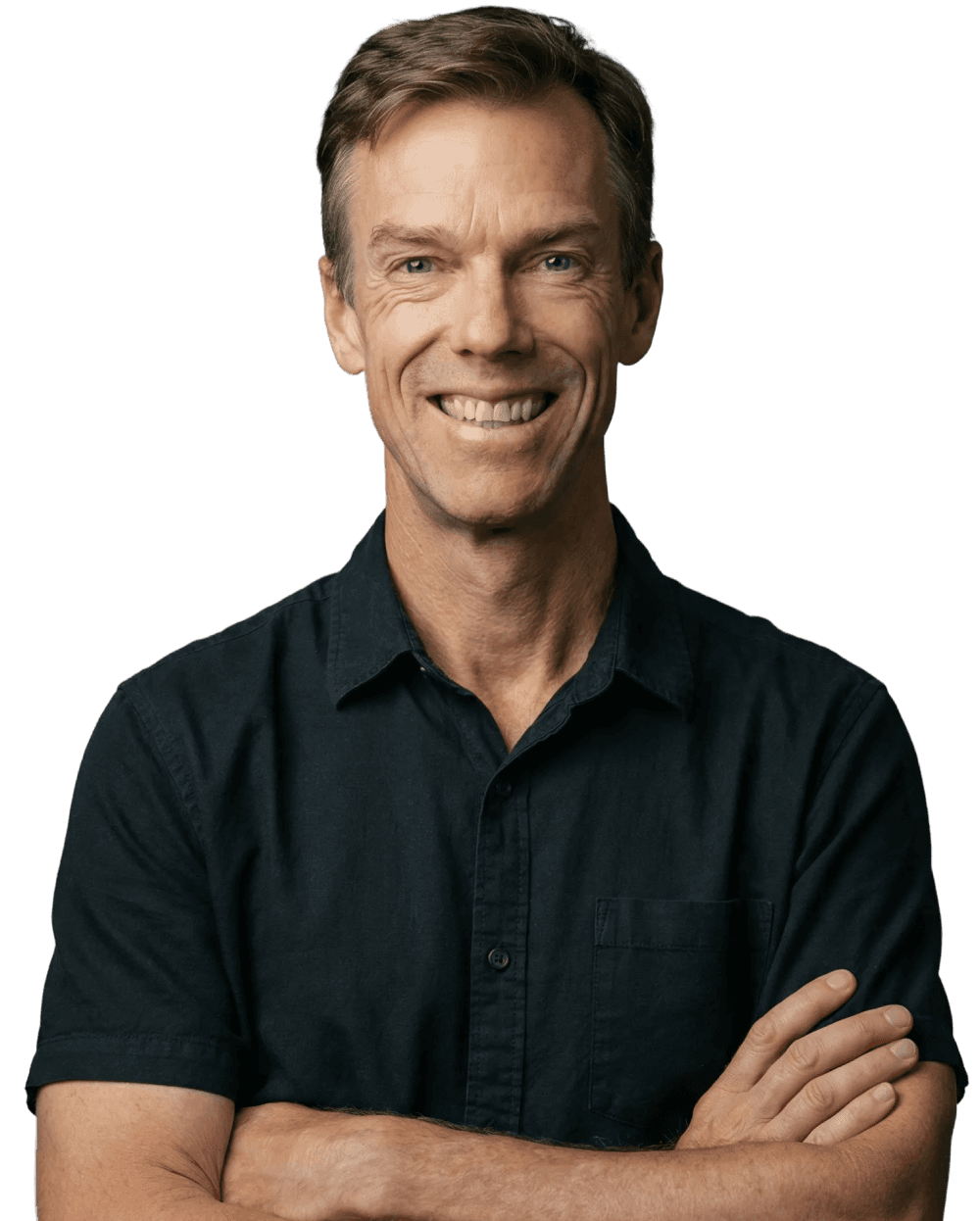
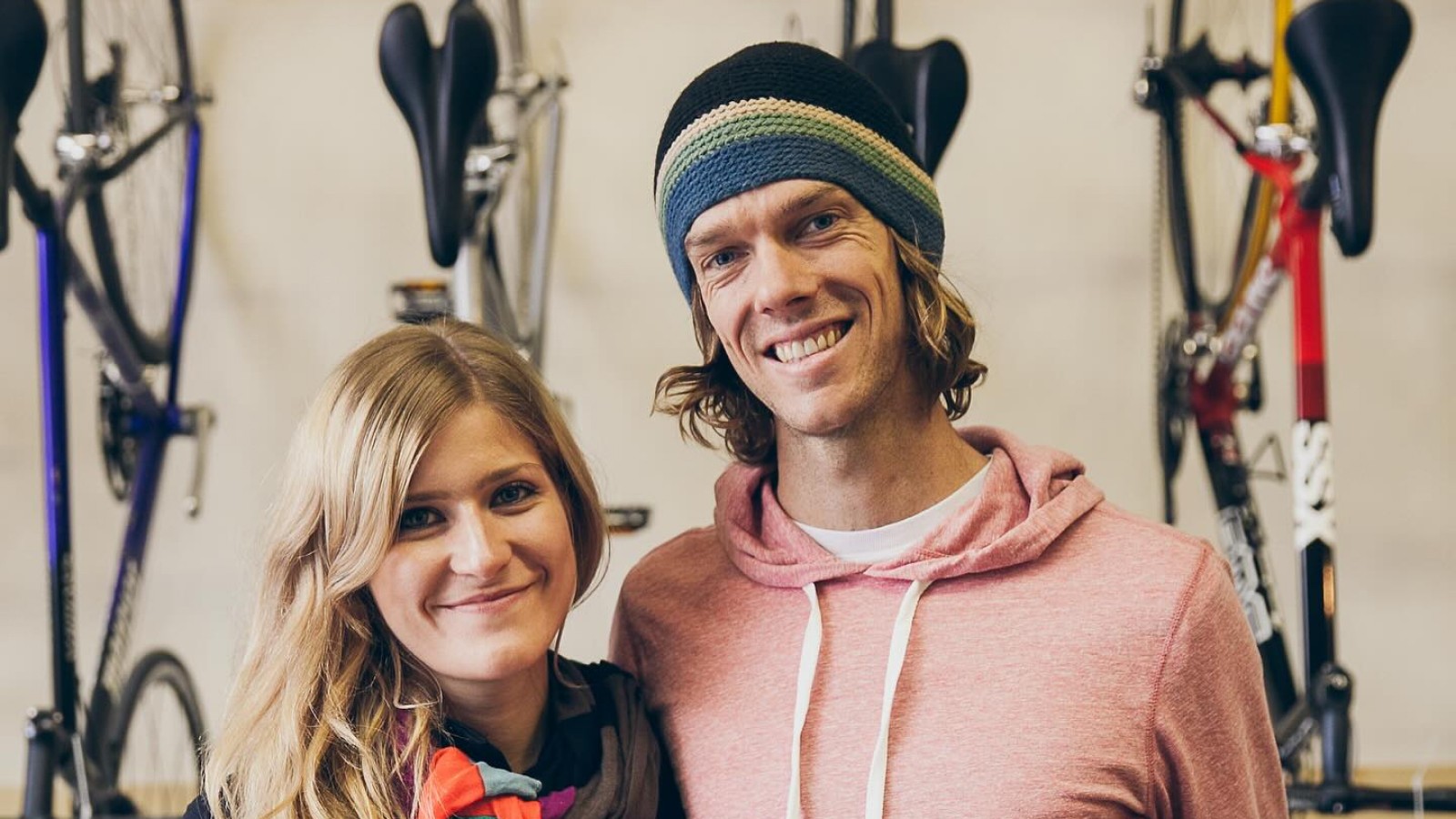
Meet the brand founder
Before launching Around the Cycle, Ryan Weeks wasn’t in retail.
He was living in Sudan, doing community development work — focused on water purification, education, and local impact. When conflict broke out, he had to evacuate suddenly. That unexpected transition eventually led him to Pasadena, where he began studying at Fuller Seminary.
There, a professor shared something that shifted his thinking: business can be one of the most powerful ways to impact a community — either by starting one or helping others build theirs.
Ryan had a background racing Ironmans and a deep love for cycling. While in grad school, he began casually buying and selling used bikes to make extra income. Quickly, he noticed something interesting: there were plenty of people who owned bikes and gear but didn’t want the hassle of selling it themselves.
That insight became the seed for Around the Cycle — a consignment-focused bike shop built to serve both sellers and buyers.
He tested the concept out of his garage. Demand grew. Eventually, he made the decision to open a physical storefront — not just to sell bikes, but to create a trusted hub for the cycling community.
The first real win
Before the storefront even opened, Ryan noticed something telling: there were more bikes available to purchase than he had capital or space for. At the same time, people were asking him to sell their bikes and gear on consignment.
That’s when the model clicked.
Instead of just hunting for deals, he could provide value as a service — helping others sell high-quality gear while building a curated inventory.
In the local market, no one else was operating a dedicated consignment bike shop at scale. Word spread quickly. Customers began driving three to four hours just to have Around the Cycle help sell their bikes.
That early word-of-mouth momentum turned into consistent 25% year-over-year growth — a trajectory the business has largely maintained since opening in 2014.
How the business runs today
In the early days, Ryan did everything — sales, customer communication, operations, inventory, fulfillment.
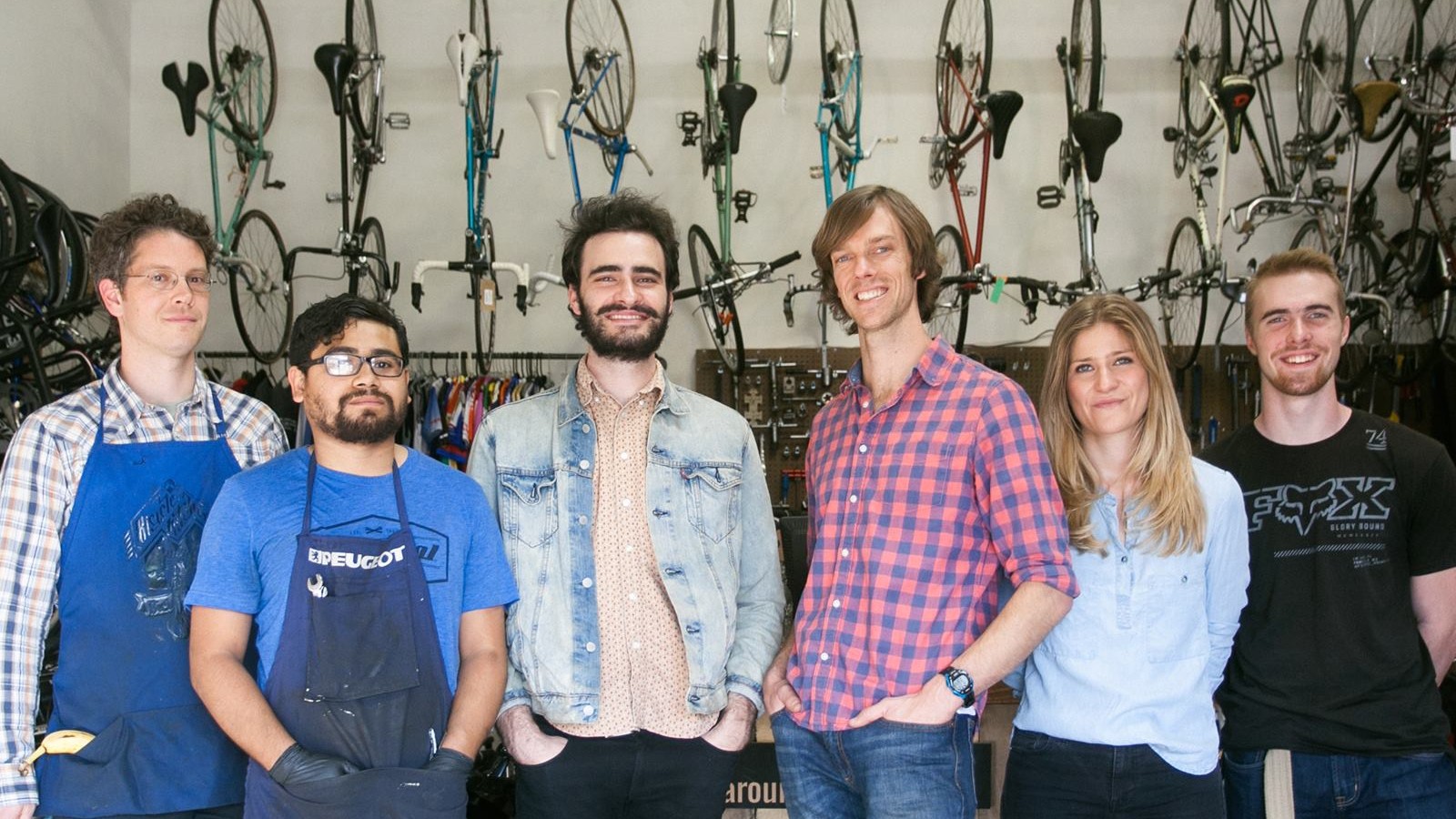
Today, the company employs 16 people.
Ryan’s focus has shifted toward higher-level strategy, leadership development, and systems optimization. He spends roughly:
40% of his time improving systems
40% on inventory planning, admin, and financial oversight
20% on training leaders and equipping the team
He’s largely removed from daily sales and customer communication, though he occasionally steps back into the sales floor to stay connected to customers and maintain firsthand insight.
The evolution from operator to systems-focused leader has been intentional — and necessary for growth.
Leveraging experts, agencies & apps
Bringing in outside expertise started early.
In year one, Ryan recognized a major operational problem: in-store sales, eBay transactions, and inventory tracking were disconnected. Every sale required manual entry across systems — a time-consuming and error-prone process.
He partnered with a software developer and worked alongside Mortar (formerly Accumula) to build custom consignment software that connected LightSpeed POS, Shopify, and eBay into a unified system.
That early investment in infrastructure became foundational.
Since then, mentorship and software development have had the biggest impact on growth. Business mentors helped refine leadership and strategic thinking, while technical experts enabled scalable systems.
Other key contributors include:
A Klaviyo specialist to build effective email flows
Direct collaboration with Google to optimize Ads, now a major growth driver
On the tools side, a few standouts power the business:
Searchanise for advanced search and filtering across a massive catalog
Mortar and InkFrog to sync inventory and sales across LightSpeed, Shopify, and eBay
Not every external partnership worked well. A previous marketing agency managed Meta ads in a way that prioritized ad spend growth over profitable ROAS, leading to losses. That experience reshaped Ryan’s perspective on performance-based accountability.
Big challenges
Like many inventory-heavy businesses, cash flow has been one of the biggest ongoing challenges.
Growth often requires holding more inventory — which requires capital. Ryan has leaned on tools like Shopify Capital when needed to navigate tight cycles, but the balancing act remains constant.
Organizational structure has been another major learning curve.
As the company scaled, roles and responsibilities needed to evolve. Letting go of areas Ryan once personally managed — especially finance and bookkeeping — was difficult but necessary.
A previous bookkeeping company caused significant issues, creating costly cleanup work. That setback reinforced the importance of strong systems and oversight.
Today, financial processes are being rebuilt using automation, VA support, and a newly hired Finance & Operations Manager who is gradually taking ownership in those areas.
The journey toward clean, scalable financial infrastructure has been ongoing — but it’s strengthening the foundation for the next stage.
Advice to brands on their way to 7–8 figures
Ryan’s advice is practical and focused:
Find what’s working — and double down.
As a retailer of other brands, differentiation has been critical. Offering curated component groupsets, closeout deals, and high-quality second-hand goods positioned Around the Cycle as a go-to destination.
He also reflects that he would have:
Adopted Shopify sooner
Tested Google Ads earlier
Invested in CRO and email marketing optimization faster
When hiring experts, clarity is everything.
Be explicit about outcomes. Define what success looks like. Whenever possible, structure contracts around results — not just activity or spend.
If both sides understand the value of the outcome, partnerships become true win-wins.
What’s next for the brand
The next 12–24 months are about optimization and automation.
The focus is on refining internal systems, leveraging experts strategically, and improving website performance alongside email and SMS marketing.
Rather than chasing aggressive expansion, Ryan is prioritizing operational strength — building a business that runs efficiently, profitably, and sustainably.
For a company that began in a garage with a simple idea, the trajectory has been steady and intentional.
And the next phase is about building a machine that can keep serving the cycling community — at scale.
Meet the experts behind brands like this
Scaling a Shopify brand takes more than a good idea – it takes the right people, systems, and partners at the right stage. Meet the experts who support brands like this on shopexperts.com