
Shopify Case Study: How a Workwear Brand Scaled to $95K/Month
This Shopify case study breaks down how a workwear brand grew to $95K/month through product quality, community trust, and word-of-mouth growth. Learn how Will Fosdick scaled by focusing on credibility over paid acquisition.
Industry
Location


Meet the brand founder
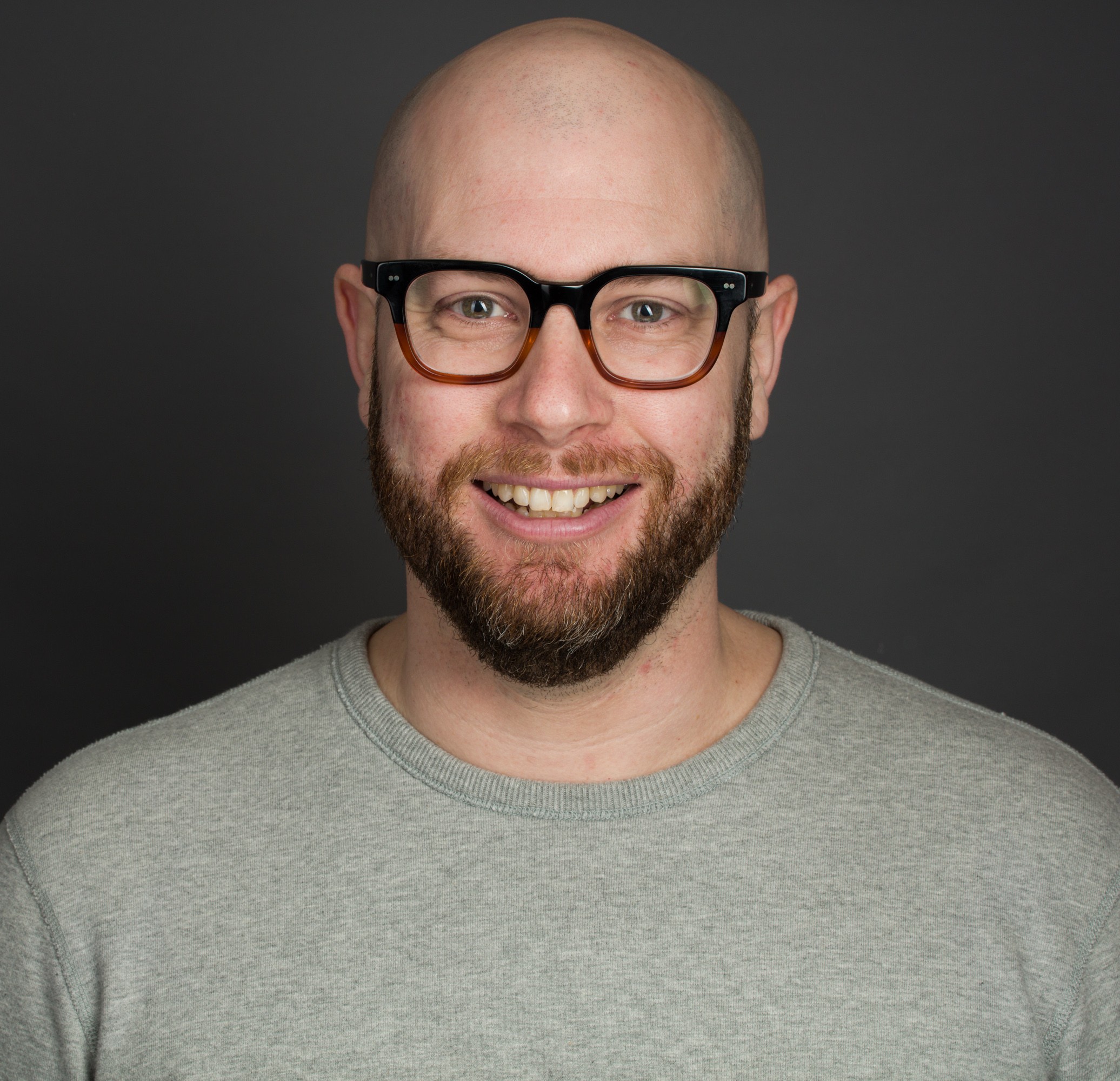
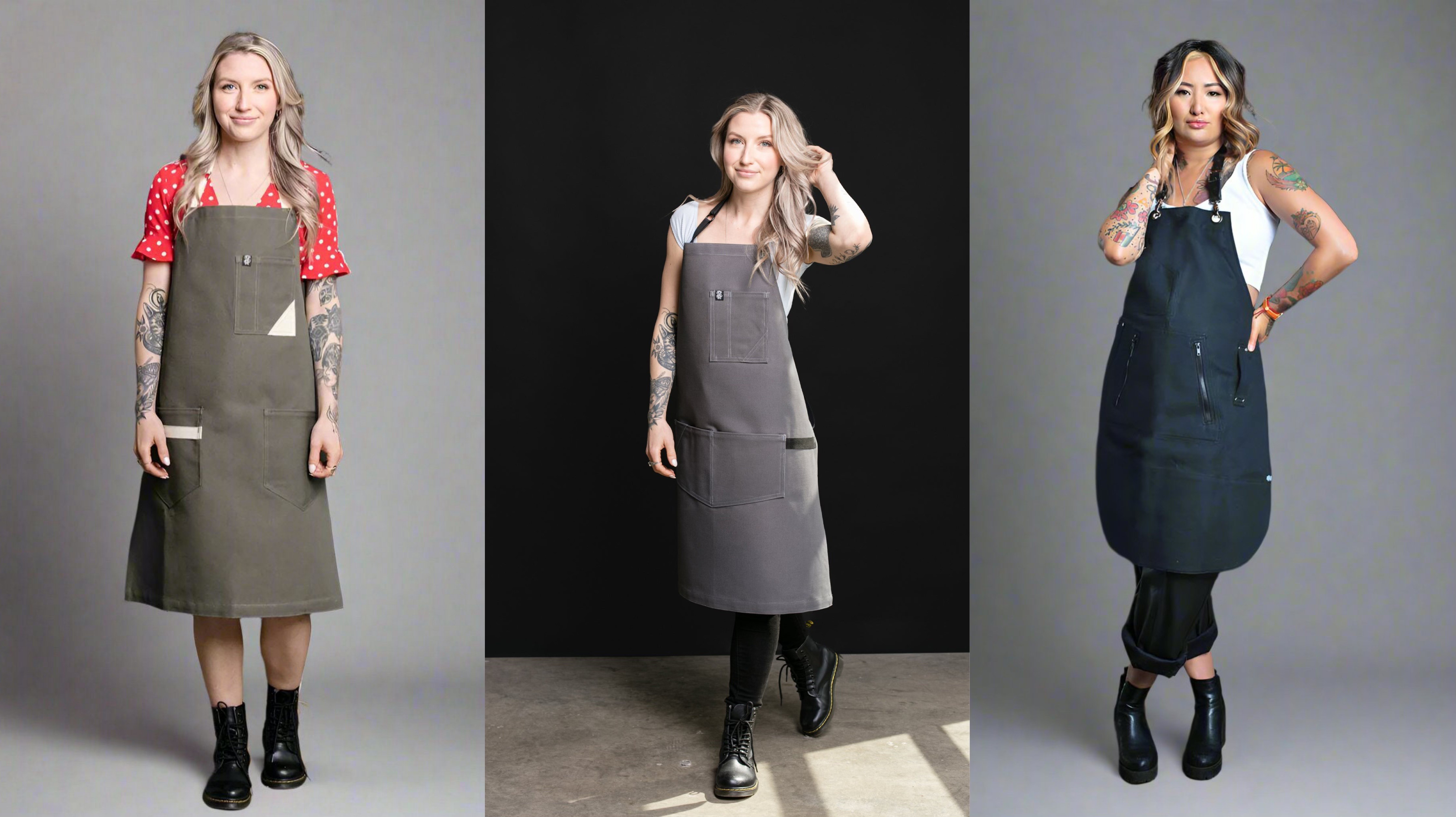
Will Fosdick, founder of Search & Rescue Denim Co, didn’t set out to build a brand. He was simply surrounded by people who cared deeply about their craft – and noticed something didn’t add up.
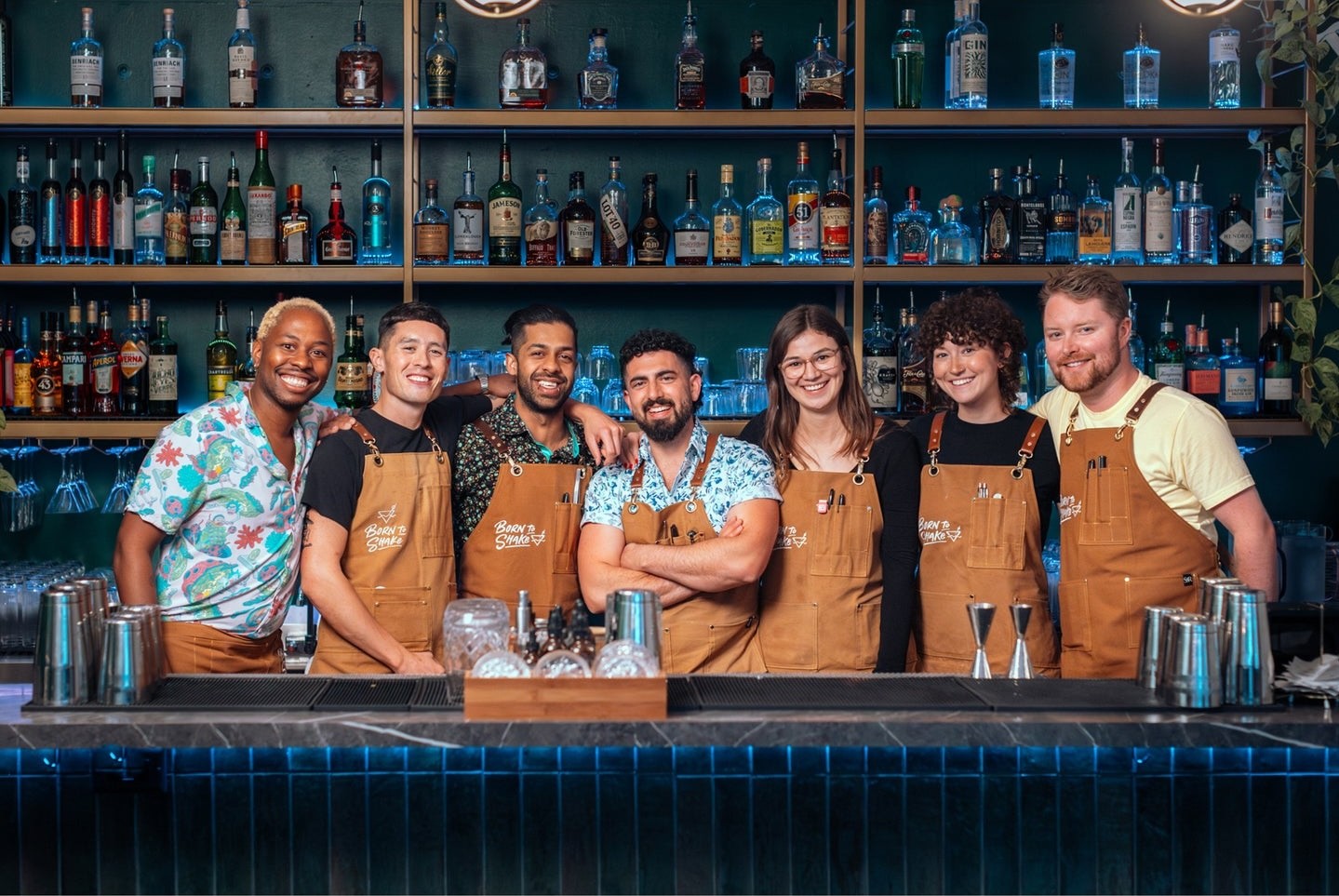
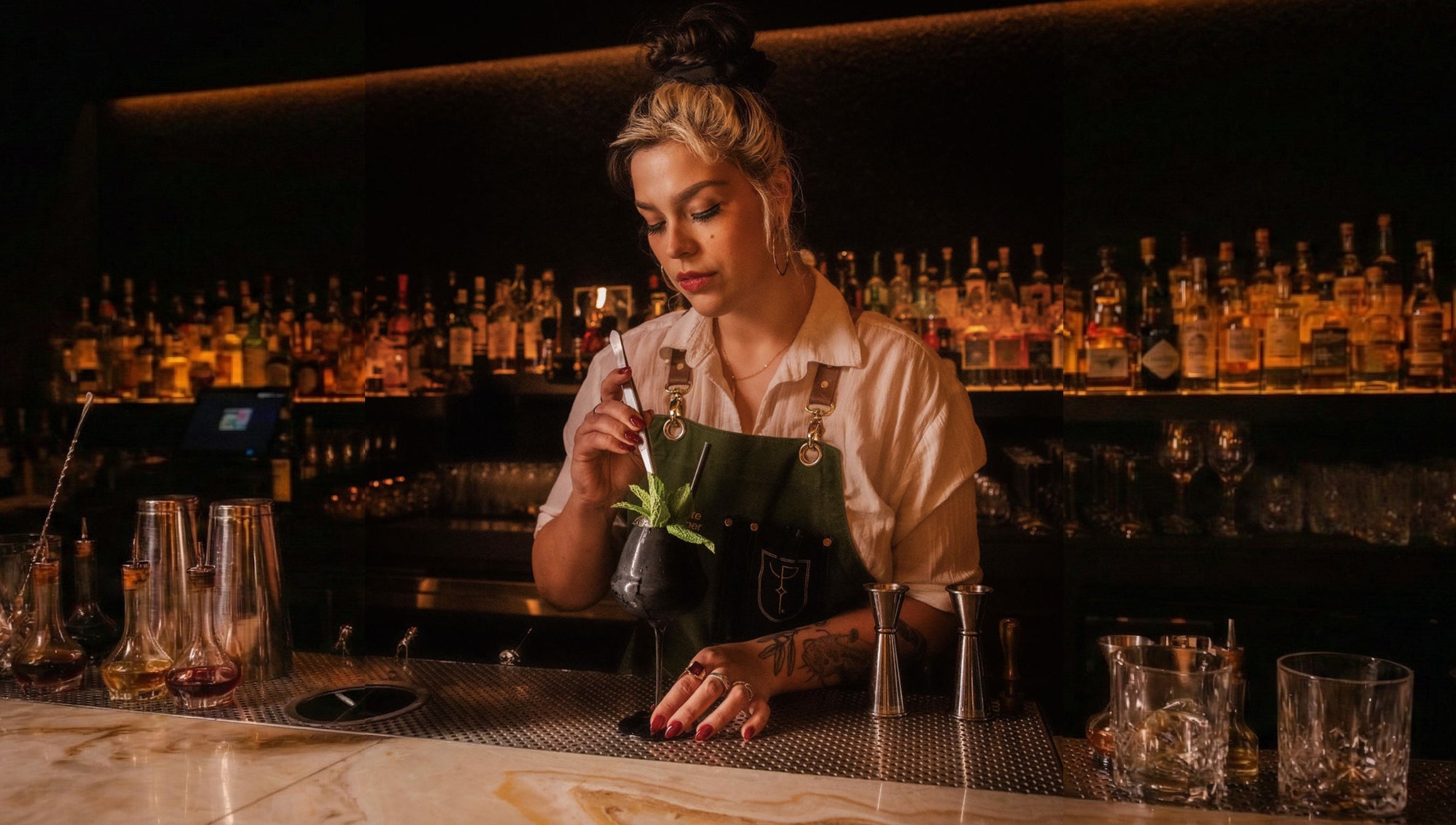
Bartenders obsessing over their bar setup. Barbers dialing in every detail of their tools. Chefs investing in knives that felt like extensions of their hands.
And then… the apron.
“It was always the weak link,” Will says. “Everything else was chosen with intention. The apron felt like an afterthought.”
As a self-taught tailor, he started making aprons for friends. Not to sell. Not to scale. Just to fix something that didn’t feel right.
Those first pieces weren’t about building a business. They were about respect – for the work, and for the people doing it.
What changed everything was realizing this wasn’t a niche frustration. It was a shared one. Across trades, across cities, across industries.
There was a gap. And it was bigger than he expected.
The first real win
In the early days, there was nothing polished about it.
Will was cutting fabric on his kitchen table, sewing late into the night, testing patterns that didn’t always work the way he hoped. His wife helped wherever she could – packing, organizing, keeping things moving when orders started to trickle in.
“It was a lot of trial and error,” he admits. “You think something will work, then you see it fail after a few shifts. Back to the drawing board.”
The first real traction didn’t come from a big launch or a viral moment. It came from tattoo artists.
They were the first to take a chance on something unproven. The first to see that this wasn’t just another apron – it was gear made with the same mindset they brought to their work.
From there, things spread naturally. Barbers started asking. Then bartenders. Then kitchens.
At the same time, Instagram was just starting to become part of how these communities shared their work. When someone wore one of Will’s aprons, it showed up. And when it showed up, people asked about it.
There was no marketing plan. Just relationships, trust, and a product that felt right.
“It didn’t feel like growth at the time,” Will says. “It just felt like more people finding us.”
It took a few years before it felt like a real business.
The turning point wasn’t dramatic. It wasn’t a viral spike or a massive revenue milestone.
It was two orders. Both from tattoo shops. Both asking for aprons for their entire teams.
“That’s when the math stopped working,” Will says. “I couldn’t keep doing this on the side and show up to my day job at the same time.”
Up until then, the business lived in the margins – after work, on weekends, in whatever time he could carve out. But those orders changed the equation.
They weren’t from friends. They weren’t favors. They were strangers willing to pay for something he made.
So he made the call. He left his job.
“The worst case was I’d go back to retail,” he says. “But I knew if I didn’t take it seriously, it would never become something real.”
That was the moment it shifted – from a craft project to a business.
How the business runs today
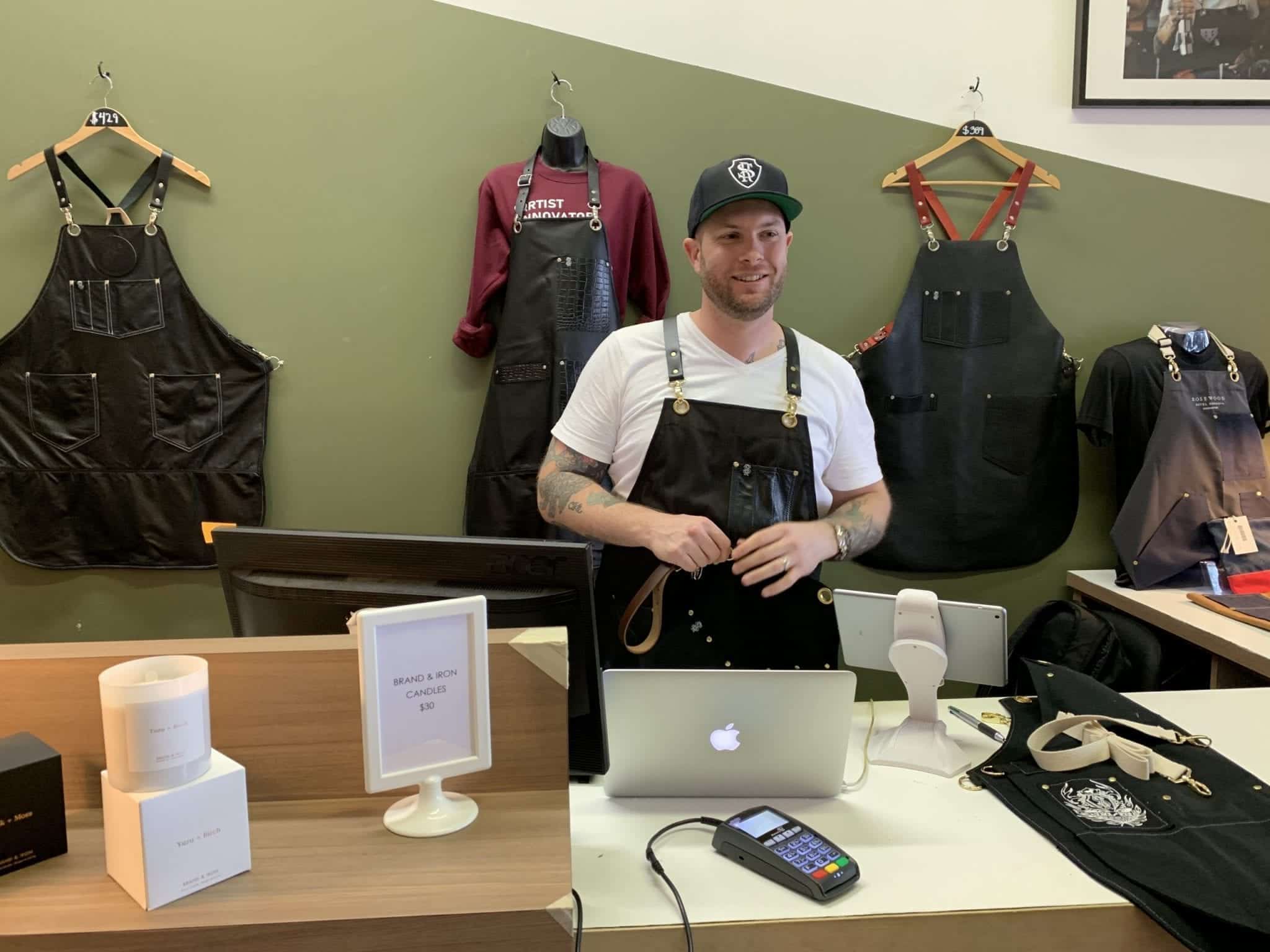
The biggest change over time hasn’t been the product – it’s the role Will plays inside the company.
“In the beginning, the job was making aprons,” he says. “Now the job is running a business that makes aprons.”
Today, his focus is on strategy, brand, and product direction.
He decides where the brand grows, how it shows up to wholesale partners, and what gets built next. He’s still close to the product, but he’s no longer the one behind the machine.
That shift, from maker to operator, didn’t happen overnight. And it’s still evolving.
“There’s always a part of you that wants to stay hands-on,” he says. “But you have to step back if you want the business to grow.”
His weeks reflect that balance.
He reviews performance across Meta and email regularly. He works on creative, messaging, and product development. He stays involved in wholesale relationships, especially early on, where trust matters most.
What he doesn’t do anymore is production or day-to-day operations.
Those systems now run without him.
And that’s intentional.
Leveraging experts, agencies & apps
Bringing in outside help was never about offloading responsibility. It was about solving specific problems.
The clearest example was building a custom apron configurator. It was too complex to figure out alone, so Will worked with a development partner to get it right.
“That’s when it makes sense,” he says. “When the problem is truly outside your skillset.”
On the other hand, not every experiment worked.
Agencies, especially in marketing, didn’t deliver the return he expected.
“We ended up teaching them our business more than they were helping us grow it,” he says.
So they brought that work back in-house.
What stayed was a mix of tools that support the business without overcomplicating it:
Shopify as the backbone
Klaviyo for retention and lifecycle marketing
ShipStation for shipping efficiency
Post-purchase surveys to understand real customer behavior
Simple frontend tools to move quickly without developers
The approach is simple. Keep control of what matters. Bring in help where it truly adds leverage.
Big challenges
Growth introduced a new kind of complexity.
At small scale, things feel manageable. At larger scale, small problems get expensive.
Margins tightened as costs increased. Suppliers became less predictable. Inventory decisions carried more risk.
“We had to get serious about the numbers,” Will says. “Not just revenue – actual profitability.”
But the hardest challenge wasn’t operational. It was people.
Finding the right team – people who understood both the product and the culture – proved difficult.
“You can’t teach someone to care about the craft,” he says. “That part has to already be there.”
Getting that right changed everything.
Advice to brands on their way to 7–8 figures
A few lessons stand out clearly.
First, get out of your own way sooner than feels comfortable.
Holding onto everything works early. Later, it becomes the bottleneck.
Second, don’t assume the future will look like the present.
Markets shift. Supply chains break. What feels stable today might not be tomorrow.
“The businesses that survive are the ones that didn’t overextend when things were good,” Will says.
And third, be careful with outside help.
Agencies can execute, but they can’t define your strategy.
If you don’t understand what they’re doing, you can’t judge the results.
“You don’t need to do everything yourself,” he says. “But you need to understand it.”
That mindset changes how you scale.
What’s next for the brand
The next phase is about doing things better. The focus is on depth – stronger products, stronger relationships, stronger systems.
A new brand, ÄNDRA, is launching to serve barbers and salon professionals more directly. Wholesale relationships are expanding into larger hospitality groups.
Geographically, the brand is doubling down on Canada while building toward Europe.
Internally, the goal is simple.
Build a business that runs consistently – without relying on founder energy to hold everything together.
“We’re not chasing everything,” Will says. “We’re building something that lasts.”
Meet the experts behind brands like this
Scaling a Shopify brand takes more than a good idea – it takes the right people, systems, and partners at the right stage. Meet the experts who support brands like this on shopexperts.com