
Shopify Case Study: How Grip6 Scaled to $400K/Month Reinventing the Everyday Belt
Grip6 didn't set out to disrupt an industry — two guys just wanted a belt that actually worked. What followed was a $106K Kickstarter, a viral $500 video, a $2 million first year, and over a decade of scrappy growth that's still going. Founder Winslow Burton built Grip6 into a $400K/month accessories brand by staying relentlessly focused on product, content, and testing.
Industry
Location


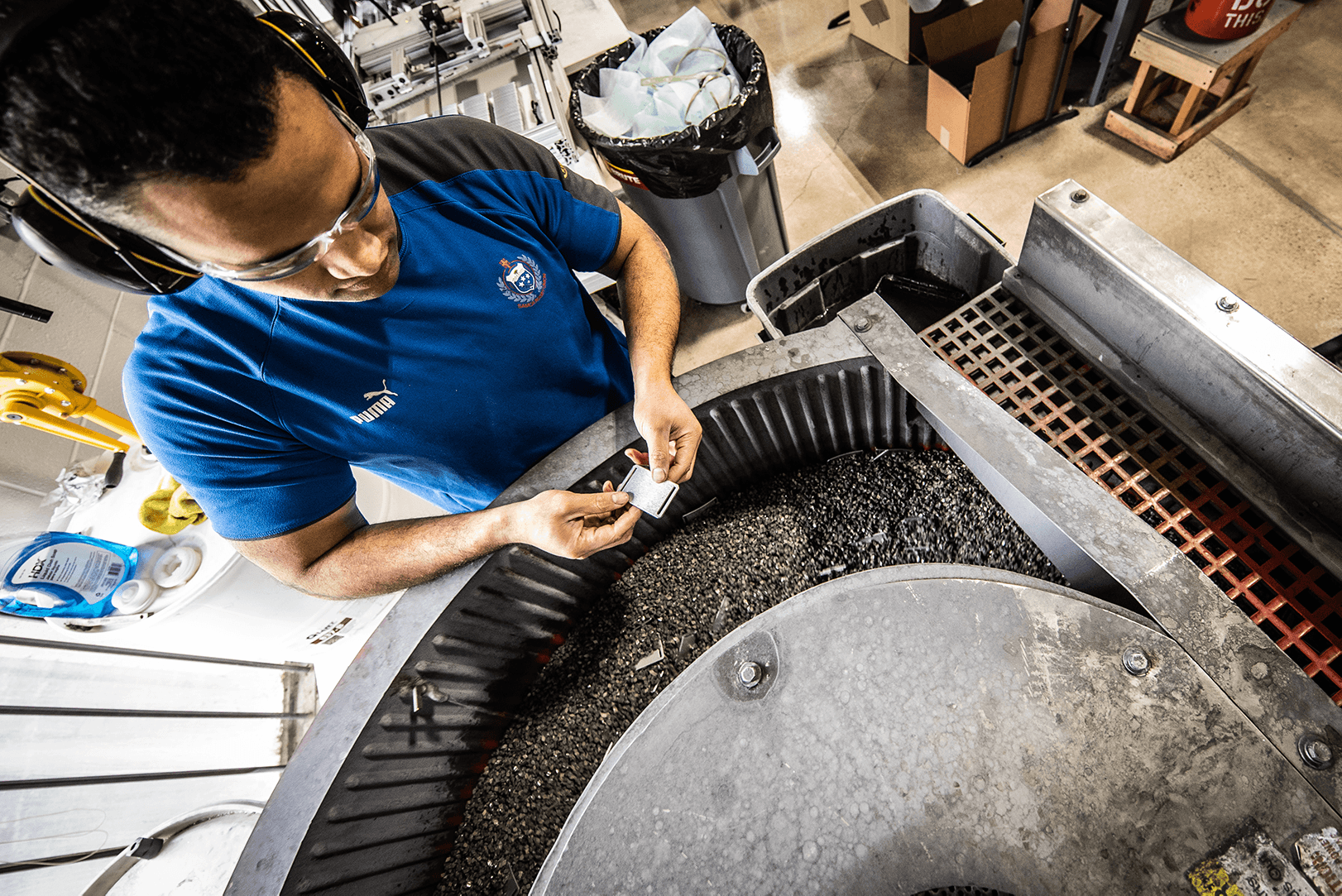
Meet the brand founder
Two guys. One problem. A lot of late nights in a garage.
Winslow Burton and his co-founder were both working full-time jobs when they got fed up with the same thing: men's belts. Too bulky. That annoying flap hanging off the end. Holes that never landed where you needed them. A fit that was always slightly wrong.
So they decided to build a better one.
They weren't fashion designers or product engineers. They were two people who understood the problem from the inside and were willing to stay up until 1 or 2 in the morning to solve it. After work, they'd meet at the garage and keep going. Winslow's whole family became a prototype testing crew. Money was tight — scrappy wasn't a strategy, it was a necessity.
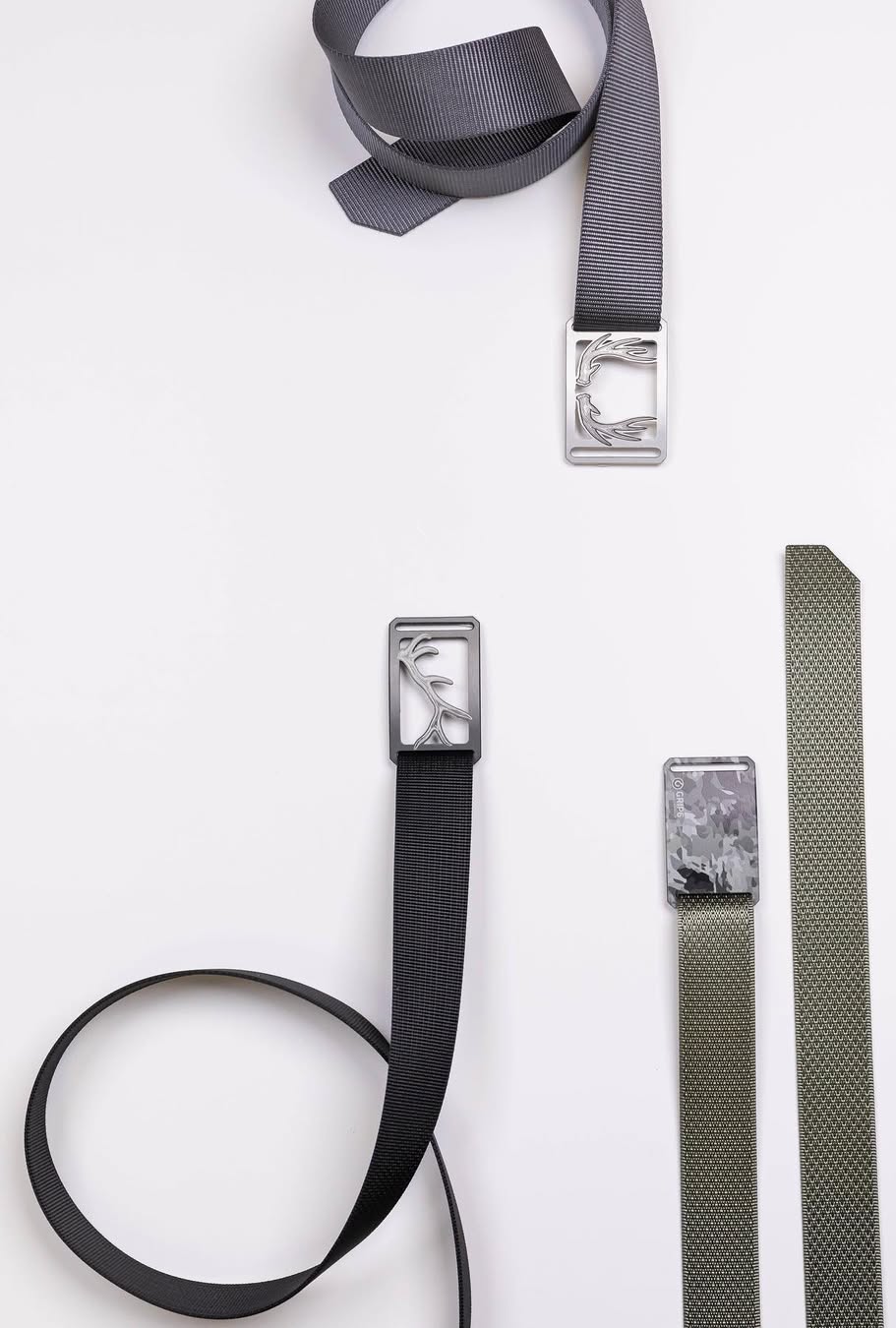
The product they were building was specific: low-profile, no holes, no flap, infinitely adjustable, with interchangeable buckle and strap combinations. A belt that fits exactly where you are, not where a manufacturer decided you should be.
Getting to a product they believed in took a lot of iterations. Getting to the launch was another challenge entirely.
The first real win
They decided to launch on Kickstarter — and built a video they thought would sell the product.
It did. Grip6 raised $106,000 on that first campaign. Neither of them expected it. The response was overwhelming — and immediately terrifying. They had priced the belts way too low. Now they had 9,000 units to fulfill, a number far larger than anything they'd planned for.
They fulfilled the order. Then they made their next mistake.
They took the remainder of their money and handed it to a marketing agency that turned out not to specialize in DTC. Expensive lesson. No results. To keep the business alive while they figured out what came next, they started doing fairs and small tradeshows — not paying themselves, just covering bills.
Then came the video.
A friend made it for $500. Raw, direct, no production gloss — just the product and a clear point. They put it in front of an ad buyer to test. His response was immediate.
"He told me he could triple our sales right now. He said he's never seen a video be this effective."
They had to hold him back. They were already running out of product. So they ordered inventory, scaled the ad spend deliberately, and ended up with a $2 million year running on a team of six people.
That was eleven years ago. The OG video, as they still call it, sold belts for years. It proved something durable: when the product is genuinely different and the creative tells the truth about why, the market responds fast.
How the business runs today
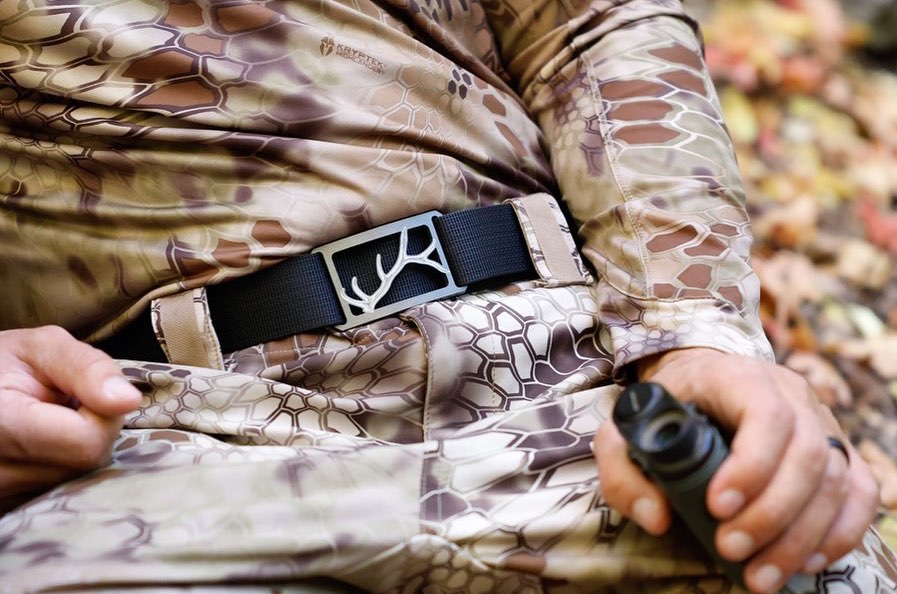
Grip6 now does $400,000 a month — built entirely on a product that started as a personal frustration and a garage hypothesis.
Winslow's role has evolved significantly from those early days when he was simultaneously running customer service, building ads, managing production, handling HR, working tradeshows, and doing the books. That version of the job is gone. Today he's focused on the things that move the needle most: ad content, video creation, app testing, and weekly team alignment.
A typical week means making sure email campaigns go out, generating and implementing new video concepts, running app tests, attending internal meetings, and networking. The HR and bookkeeping are handled by others.
The operating philosophy is clear even if it took years to fully land: content and testing are the engine. Not relationships with agencies. Not clever positioning. The brand grows when there's a high volume of creative being tested, and it stalls when that volume drops. Every other decision filters through that lens.
Leveraging experts, agencies & apps
Grip6 spent years doing everything in-house and took pride in it.
The shift came about three years ago — driven more by cost and complexity than strategy. Everything had gotten expensive. Managing it all internally wasn't sustainable. So they started hiring outside. Whether it was the right call is something Winslow will openly say they're still not sure about.
What they do know is which disciplines moved the needle when the right partners were in place:
Email marketing — consistent channel, high ROI, critical for repeat purchase and retention
Paid media — the channel that scaled the business in year one and still drives acquisition
Video production — the single highest-leverage creative asset; the $500 OG video is proof of concept, not an outlier
SEO — impactful in earlier years; less central today but part of the historical growth stack
The recurring problem with ad buyers specifically: they show up attentive and engaged, then gradually pull focus as their client roster grows. Grip6 got great results early with agency partners, then watched the attention drift. The lesson they keep coming back to is that testing velocity matters more than any individual agency relationship — and that moving faster on underperformers would have saved significant money and time.
The internal tools they can't run without are straightforward: email platform, SMS, and customer service software. No exotic stack — just the core channels, run well.
Big challenges
The hardest challenge at Grip6 has been content.
Not marketing strategy. Not distribution. Content — specifically, generating enough high-quality creative to feed the testing engine the business needs to grow. Without a constant supply of video and ad variants to test, the machine slows. And building that supply consistently while running a business is harder than it sounds.
The second challenge was expansion. At various points, Grip6 moved into new markets and new product categories faster than the operations and team could absorb. Adjusting to that pressure — managing inventory, maintaining quality, keeping the brand coherent across a broader product line — created strain that took time to work through.
What Winslow would do differently: test faster, decide faster, and move on faster. The businesses that compound are the ones that run more experiments in less time, not the ones that bet big on fewer attempts.
Advice to brands on their way to 7–8 figures
Eleven years of building the same brand gives you a particular kind of clarity. Winslow's advice isn't theoretical — it's the distilled version of expensive lessons learned while the business was actually running.
The two things he'd double down on if starting over: content volume and accountability. Most brands underestimate how many creative tests it takes to find what works. Most founders underestimate how much money they lose by not holding partners to clear standards.
Move fast, test constantly. Create a high volume of content, update it regularly, and test everything. The brands that compound are the ones running the most experiments — not the ones with the best single idea.
Don't slow down on new things. Acting quickly when something isn't working — an ad, an agency, a product line — is the skill. Hesitation is expensive.
Hold everyone accountable. Set clear expectations with every agency, freelancer, and tool. Then follow up. Most underperformance is a failure of accountability, not capability.
Be careful with tax strategy. Grip6 wasted meaningful money on schemes to reduce the tax burden that didn't pay off. Use money wisely — complexity for its own sake costs more than it saves.
Vet before you commit. The first DTC agency they hired after Kickstarter didn't specialize in DTC. A harder question upfront saves a lot of money on the back end.
What’s next for the brand
Grip6 is moving faster than it has in years.
A new product is launching within the month — the result of a content and testing process that Winslow describes as more aggressive than anything they've run before. The infrastructure for rapid creative iteration is in place. The team is aligned. The pace, while still not as fast as he'd like, is closer to what the business needs.
The next phase is about proving that the brand that built its reputation on one iconic product can extend that reputation to new ones. The belt is still the core. But the opportunity to bring the same low-profile, no-compromise design philosophy to other categories is real, and Grip6 is starting to move on it.
"We move a lot quicker these days. Still not as fast as I want — but that's life."
Eleven years in. Still building. Still testing. Still not satisfied with the pace.
That's probably why it works.
Meet the experts behind brands like this
Scaling a Shopify brand takes more than a good idea – it takes the right people, systems, and partners at the right stage. Meet the experts who support brands like this on shopexperts.com