
Shopify Case Study: How a Tactical Gear Brand Scaled to $400K/Month
This Shopify case study breaks down how a tactical gear brand scaled to $400K/month by solving complex product customization and streamlining operations. Learn how Wolfgang Rohrbacher built a high-performance ecommerce business.

Industry
Location


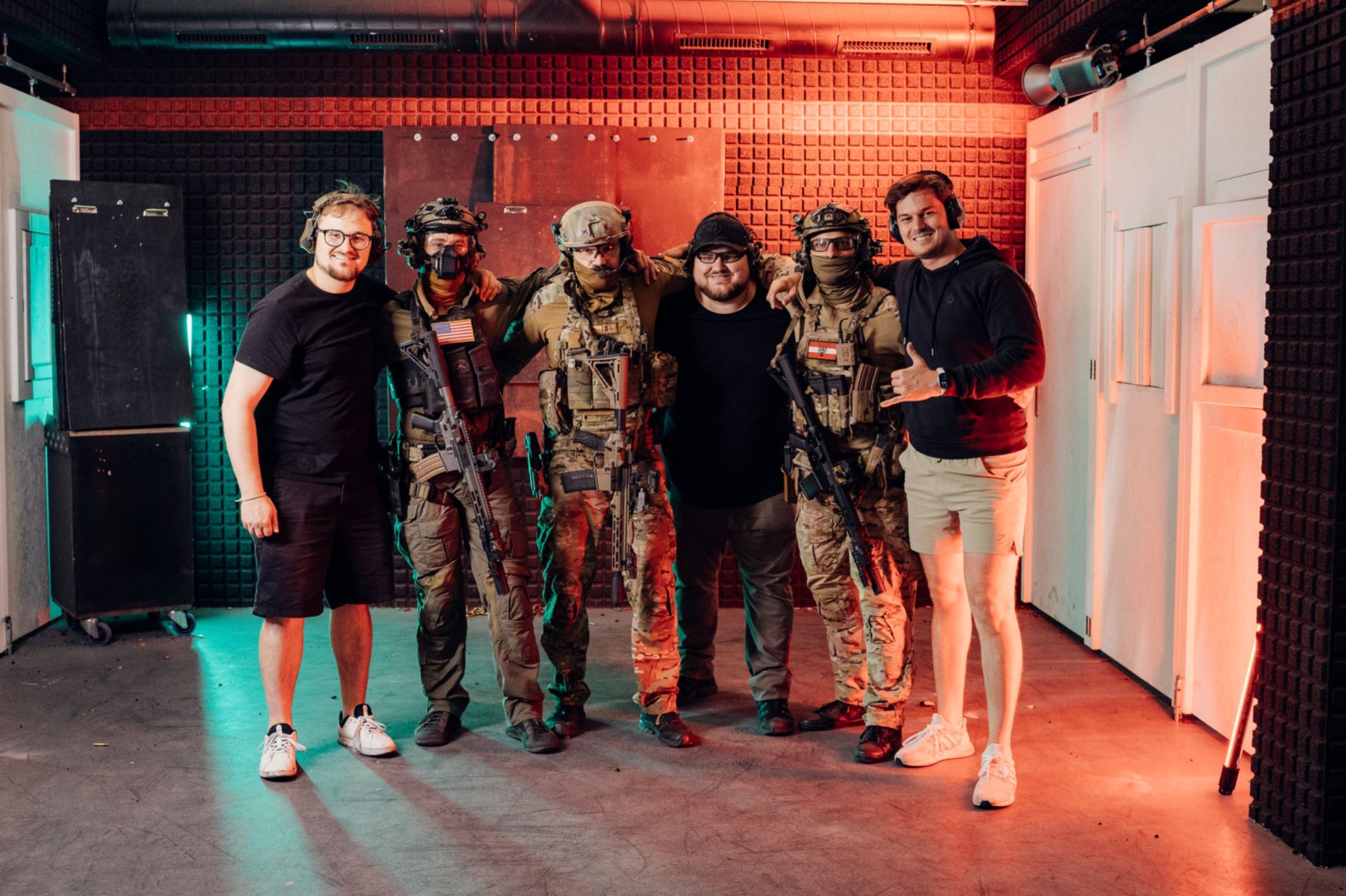
Meet the brand founder
The story doesn’t start with a big vision. It starts with frustration.
Back in 2018, a shift was happening in the tactical world. People were no longer satisfied with standard gear. They wanted setups that were optimized for performance. Faster. More precise. Built for their exact needs.
Wolfgang Rohrbacher was part of that movement. He was building his own setup. And almost immediately, he hit a wall.
“It wasn’t that the products didn’t exist,” he explains. “They just weren’t accessible here.”
Importing from the US was slow, expensive, and often blocked. And holsters weren’t simple products you could just pick off a shelf. Every setup was different. Different firearms, lights, mounts, configurations. The combinations quickly became endless.
Retailers couldn’t keep up with that level of complexity. So they didn’t even try.
“If you had a standard setup, you were fine. The moment you stepped outside that – you were on your own.”
At the same time, one of his co-founders, a Special Operations Forces soldier, was dealing with the same issue – but with much higher stakes.
“For him, it wasn’t about preference. It was about reliability. The gear just wasn’t good enough.”
That’s when it clicked.
There was a gap. And no one was solving it.
The first real win
In 2019, they officially founded the company – and like many startup stories, it began in a garage. The space was modest: around 80 square meters, fitted with a few workbenches and basic tools, most of them sourced from standard hardware stores. There was nothing sophisticated about it – just the minimum needed to get started. Their entire initial material stock was worth roughly $3,000, an amount that today would barely last a few days.
“Honestly, it was just four of us thinking – this has to work.”
The early routine was relentless. Days blended into nights as the team built products, tested ideas, answered emails, and packed orders – only to repeat the cycle again. There was no real boundary between work and personal life. Everything was manual. Orders arrived via email, product configurations were handled individually, and in the very beginning, even shipping labels were written by hand. It was inefficient and far from scalable, but it was enough to keep things moving.
Despite the limitations, traction came early. The demand existed because the problem they were solving was both real and largely unaddressed in Europe. At that stage, they weren’t competing with other companies – they were struggling to be seen at all.
Awareness, not competition, was the main challenge.
At the same time, they were tackling one of the most complex aspects of their business: making a highly customizable product simple to configure online. Nothing they produced was standardized. Every holster was made to order, built according to precise customer specifications.
So Wolfgang focused on fixing that.
“I realized very quickly – if we don’t solve production, nothing else matters.”
He rebuilt the system from scratch. New processes. Faster workflows. Less time per product.
For a long time, it didn’t feel like a real business.
Wolfgang had already tried and failed multiple ideas before. This was just another one. Serious – but still a test.
“I didn’t even tell my parents what I was doing for the first couple of years.”
Then came 2020. They won their first government tender. A German SWAT unit placed a large order. Exciting but also stressful.
“At that point, we simply didn’t have the capacity.”
They had to move fast. They invested in CNC machines. Upgraded production. Improved precision. They delivered.
And the unit came back with another order.
“That was the moment it changed. It wasn’t just a product anymore. It was a system that could actually hold up under pressure.”
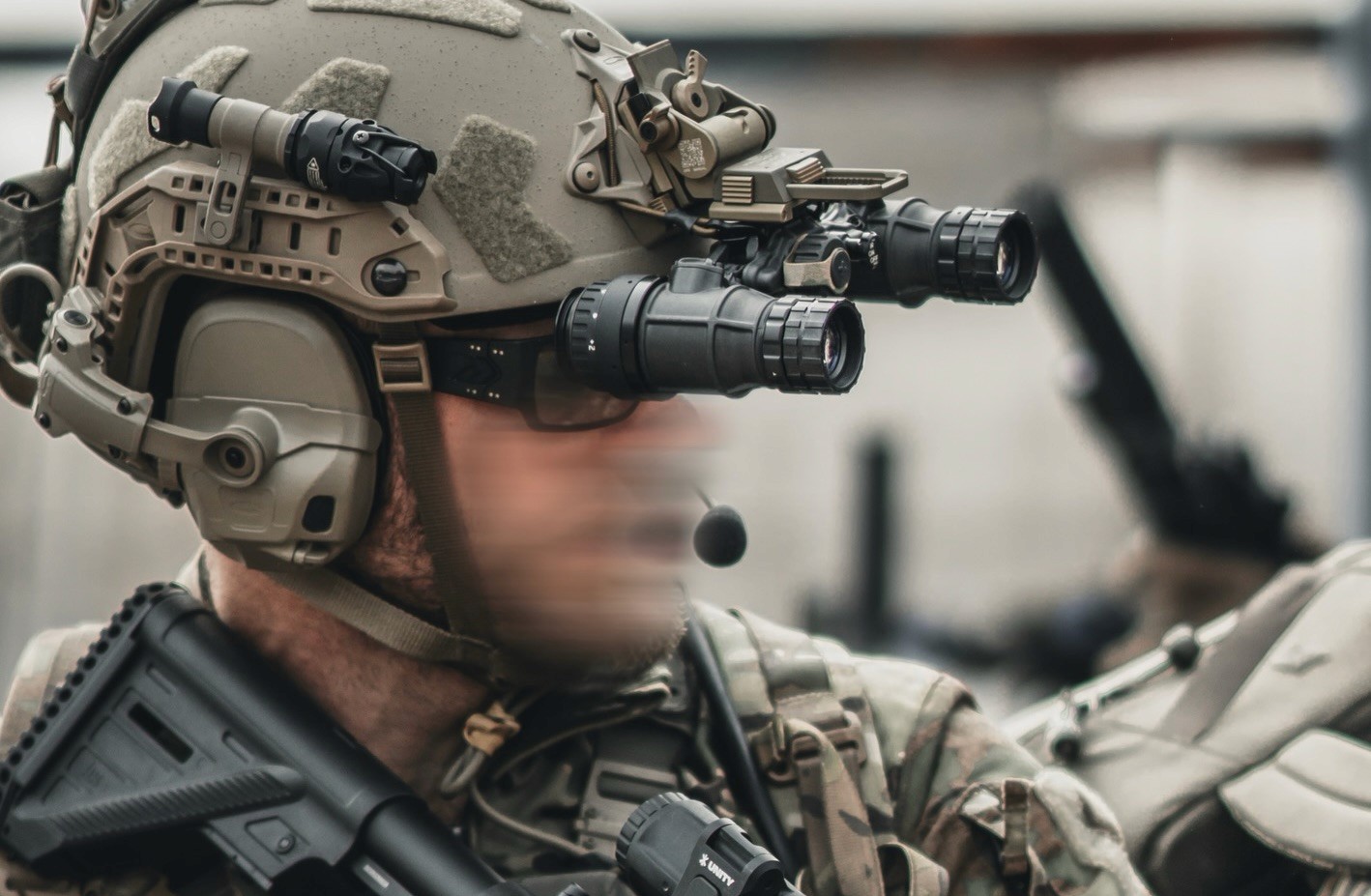
How the business runs today
Today, Wolfgang runs the company as CEO. But that wasn’t always the case.
In the early days, he was deep in production. Building systems. Solving technical problems. Making things work.
Now, his focus has shifted.
Strategy. Marketing. Product direction.
“My job today is not to do everything. It’s to make sure we’re doing the right things.”
The mission hasn’t changed.
Build products professionals can rely on. No compromises.
His work starts with one question:
What does the customer actually need?
A lot of time goes into improving the webshop. Making it easier to configure products. Faster. More intuitive.
Small changes matter.
He also spends time on content. Making sure the brand feels real. Not staged.
There’s constant communication with the team. Alignment. Direction.
One thing has changed a lot.
He’s no longer building products himself.
“That was a hard shift,” he admits. “But now we have people who are better at it than I ever was.”
The role is different now.
Less doing. More deciding.
Leveraging experts, agencies & apps
They still keep most things in-house. That’s intentional.
“We never wanted to outsource what makes us… us.”
But as the business grew, they had to be realistic. Not everything should be done internally.
Paid media was one of the first areas they outsourced.
“I could have learned it. But the question is – should I?”
Bringing in experts unlocked scale. Campaigns became more structured. Results became more predictable.
Content followed a similar path.
In the beginning, Wolfgang did everything himself. Filming. Editing. Publishing.
“That worked – until it didn’t.”
Now, execution is shared. Direction stays in-house.
A few tools are essential to how the business runs:
Dynamic Product Options powers the configurator
Sufio handles invoicing and compliance
Shopify provides the flexibility to build and adapt quickly
Without these, the model wouldn’t work.

Big challenges
The hardest part wasn’t building the product. It was scaling the business.
At a small size, everything works. Communication is easy. Decisions are fast.
Then things start to break.
Processes don’t scale. Operations become messy. Teams lose alignment.
“That’s when you realize – process is everything.”
They focused heavily on fixing that. Clear systems. Defined ownership. Better workflows.
And most importantly – building the right team.
“At this stage, it’s not about what you can do. It’s about what your team can execute.”
Advice to brands on their way to 7–8 figures
Most companies aiming for $5–10M in revenue tend to focus on the wrong priorities.
They obsess over building the perfect product, when in reality, the real competitive advantage comes from process – how quickly and reliably a company can develop, produce, and deliver.
A strong product is expected, but speed and execution are what make a business hard to compete with. At the same time, people become a critical factor. Building a small, highly capable, and trustworthy team matters far more than simply growing headcount. One wrong hire can slow everything down, while the right team – fully committed, skilled, and aligned – can operate like an elite unit.
The common mistake is outsourcing without understanding the fundamentals, which leads to poor decisions, wasted budgets, and lack of control. Founders don’t need to do everything themselves, but they must understand what “good” looks like in order to manage effectively.
The best approach is to keep strategy in-house, bring in experts for execution when needed, and treat agencies as leverage – not dependency.
Advice for founders scaling to $5–10M/year:
Focus on building better processes, not just a better product
Aim to deliver faster and more reliably than competitors
Treat speed as a core competitive advantage
Build a small, high-performance team, not a large average one
Act quickly on culture mismatches – don’t tolerate wrong hires
Hire top talent you can fully trust
Understand the basics of everything you outsource
Know what good execution, timelines, and costs look like
Keep strategy and decision-making in-house
Use agencies and experts for execution and specialization
Don’t hire too late – or too cheaply – when scaling
Stay in control: use external partners as leverage, not as a crutch
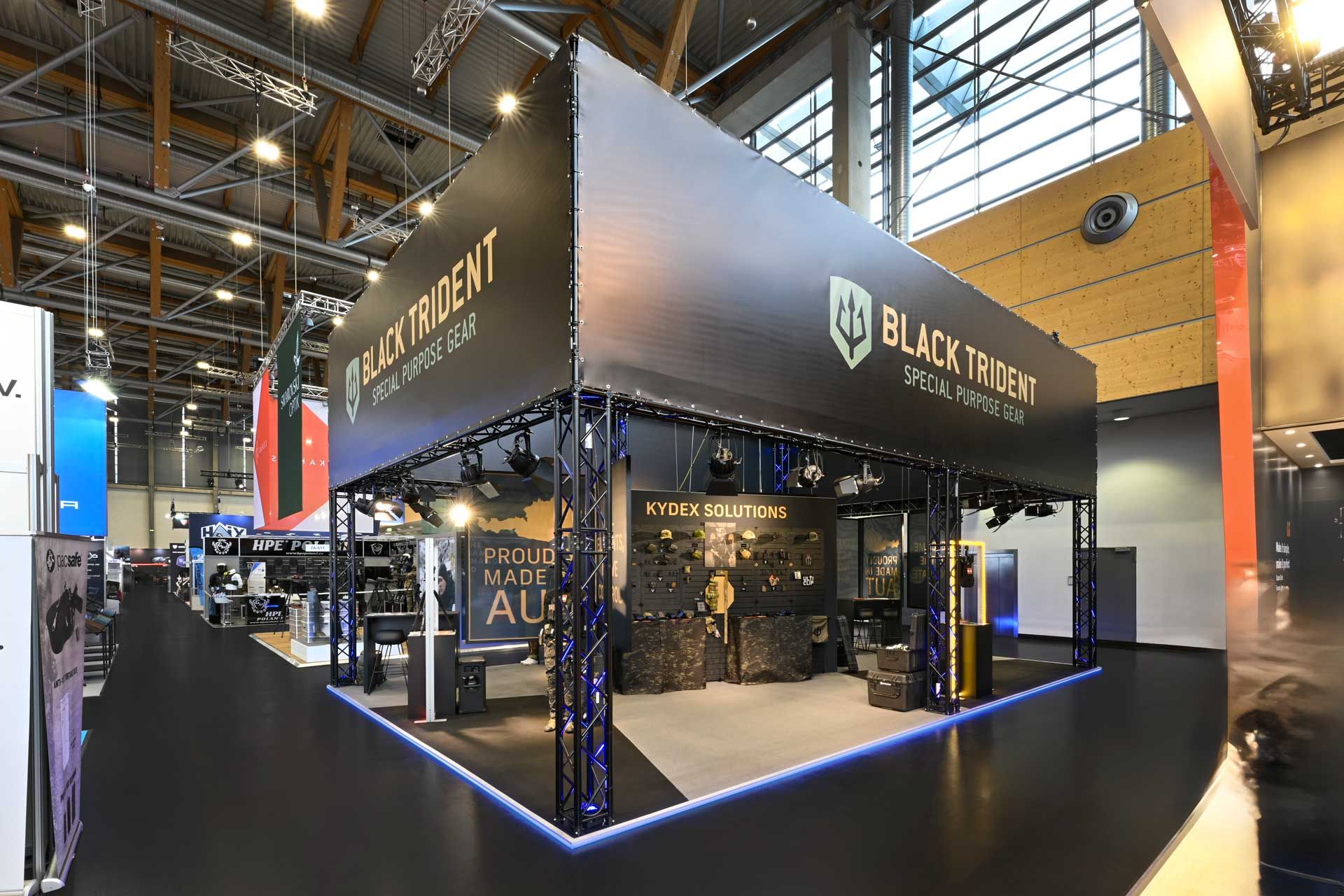
What’s next for the brand
Over the next 12–24 months, the brand has a very clear focus: doubling down on process. This doesn’t mean adding complexity – it means becoming faster, sharper, and more efficient at what they already do. The goal is simple: build a system so strong it’s extremely hard for anyone else to compete with. They’re not chasing distractions – they’re refining the machine.
There are a few key areas of focus:
1. Speed & Lead Times
Every day, the team works on reducing lead times. Speed has always been a major advantage, and they’re pushing it even further.
2. Online Store & Conversion (CRO)
The webshop experience is getting a major upgrade. The aim is to make product configuration smoother, faster, and more intuitive. Even small improvements here can have a huge impact at scale.
3. Traffic & Growth Channels
It’s not just about getting more visitors – it’s about attracting the right visitors. They’re focusing on driving qualified traffic that converts.
4. International Scaling
Expansion into new markets is a priority. That means solving operational challenges like customs and tariffs to ensure global growth isn’t slowed by logistics.
Meet the experts behind brands like this
Scaling a Shopify brand takes more than a good idea – it takes the right people, systems, and partners at the right stage. Meet the experts who support brands like this on shopexperts.com